
Automation Pyramid Explained
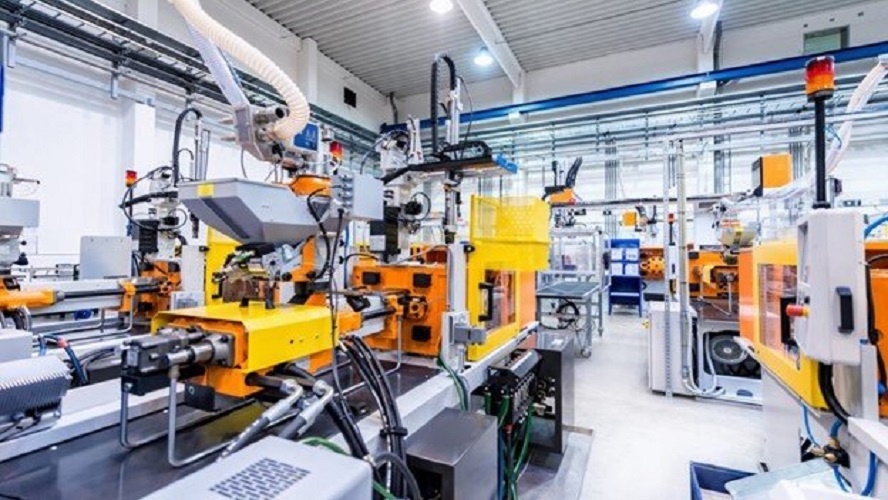
Automation Pyramid Explained: Understanding the Layers of Industrial Automation
Industrial automation systems can be complex. A modern factory may include thousands of sensors, multiple control systems, enterprise software platforms, and data networks connecting everything together. To organize this complexity, engineers often use a model known as the automation pyramid.
The automation pyramid is a hierarchical framework used to describe how different automation technologies interact within a manufacturing environment. It illustrates how data flows from physical devices on the factory floor up to enterprise-level management systems—and how commands travel back down to control industrial processes.
Although the pyramid is commonly associated with the ISA-95 standard, the visual pyramid itself is mainly a teaching model used to explain the hierarchy of industrial systems.
Understanding this model is essential for engineers, plant managers, and automation professionals because it explains how control systems, monitoring platforms, and enterprise software work together to run modern factories efficiently.
In this guide, we’ll break down the automation pyramid layer by layer, explore how data flows through the system, and explain why this model remains important in industrial automation.
What Is the Automation Pyramid?
The automation pyramid is a hierarchical structure that organizes industrial systems into layers based on their role in manufacturing operations. Each level represents a different function, ranging from physical machinery at the bottom to business management systems at the top.
The structure typically includes five levels:
- Field Level
- Control Level
- Supervisory Level
- Planning Level
- Enterprise Level
Each layer performs a specific function within the automation system, and communication occurs between adjacent layers to ensure coordinated operation across the entire facility.
At the bottom of the pyramid are the devices that directly interact with the physical process. As you move upward, the systems become more focused on monitoring, planning, and business management.
In essence, the automation pyramid connects operational technology (OT) on the factory floor with information technology (IT) used by management and business systems.
Why the Automation Pyramid Matters in Industrial Automation
Before diving into the layers, it’s worth understanding why engineers rely on this model.
Industrial environments involve a wide range of technologies—from mechanical equipment and sensors to cloud-based enterprise software. Without a structured framework, integrating these systems can become extremely complicated.
The automation pyramid provides several benefits:
Clear System Organization
The model helps engineers understand where each technology fits within the overall automation architecture.
Standardized Communication
Each layer communicates with the layers above and below it, ensuring structured data exchange between systems.
Improved System Reliability
Separating control functions into layers reduces system complexity and improves reliability.
Easier Integration of IT and OT Systems
The pyramid connects operational systems (machines and controllers) with business systems such as inventory management and enterprise planning.
This structured approach has become a foundational concept in modern industrial automation.
Field Level (Sensors and Actuators)
The field level forms the foundation of the automation pyramid. It includes the physical devices that directly interact with industrial processes.
These devices collect information about the production environment and perform mechanical actions that control the process.
Typical field devices include:
- Sensors
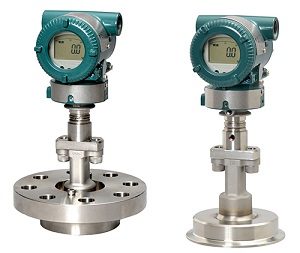
- Pressure transmitters
- Temperature sensors
- Flow meters
- Proximity switches
- Electric motors
- Control valves
Sensors gather real-time data about the production process—such as temperature, pressure, flow rate, or position—and convert it into signals that automation systems can interpret.
Actuators perform the opposite role. They receive control signals from higher-level systems and physically influence the process by opening valves, starting motors, or adjusting machinery.
In simple terms, the field level is where automation meets the physical world.
Examples of Field-Level Devices
In a manufacturing plant, field-level equipment may include:
- Temperature sensors monitoring industrial furnaces
- Pressure transmitters controlling chemical reactors
- Conveyor motors moving products between workstations
- Proximity sensors detecting parts on assembly lines
These devices generate the raw operational data used by the rest of the automation system.
Control Level (PLC and Control Systems)
The next layer of the automation pyramid is the control level. This layer processes data from field devices and makes real-time decisions to control machinery.
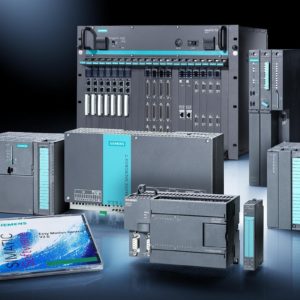
The most common technology at this level is the Programmable Logic Controller (PLC).
PLCs are industrial computers designed to operate reliably in harsh environments while controlling machines and production processes.
At the control level, systems perform several tasks:
- Processing sensor inputs
- Executing control logic
- Sending commands to actuators
- Maintaining process stability
Because control systems must respond quickly to changing conditions, they operate on extremely fast time scales—often milliseconds.
Other technologies at this level may include:
- Distributed Control Systems (DCS)
- PID controllers
- Industrial control computers
Together, these systems ensure that machines operate safely and efficiently.
For readers interested in learning more about control systems, you can explore PLC Programming Basics:
https://www.automationpioneer.com/news/plc-programming-basics
Supervisory Level (SCADA and HMI)
Above the control layer sits the supervisory level, which focuses on monitoring and supervising industrial processes.
While PLCs control individual machines, supervisory systems provide operators with a broader view of the entire production process.
The most common technologies at this level include:
- SCADA systems
- Human-Machine Interfaces (HMI)
- Data historians
- Alarm management systems
SCADA systems collect data from multiple controllers across the plant and display it through graphical dashboards. Operators can monitor equipment performance, analyze process trends, and respond to alarms in real time.
Human-Machine Interfaces allow operators to interact with machines through visual displays and control panels.
This layer acts as the central monitoring hub for the factory.
For more information, see:
What Is a SCADA System
https://www.automationpioneer.com/news/what-is-scada-system
Planning Level (Manufacturing Execution Systems)
The planning level focuses on managing and optimizing production operations.
At this level, manufacturing software coordinates production schedules, manages resources, and tracks operational performance.
The most common technology at this layer is the Manufacturing Execution System (MES).
MES software bridges the gap between plant-floor operations and enterprise-level business systems.
Typical MES functions include:
- Production scheduling
- Equipment performance monitoring
- Quality management
- Maintenance tracking
- Resource allocation
This level ensures that production processes run efficiently and according to the company’s operational goals.
It also collects detailed production data that can be analyzed to improve efficiency and reduce downtime.
Enterprise Level (ERP and Business Systems)
The top of the automation pyramid is the enterprise level, where business decisions are made.
This level includes enterprise software platforms that manage company-wide operations.
The most common system here is Enterprise Resource Planning (ERP) software.
ERP systems integrate information from across the organization, including:
- production planning
- supply chain management
- inventory control
- finance and accounting
- customer orders
Data collected from the lower layers of the automation pyramid flows upward to enterprise systems, giving management visibility into production performance and business operations.
This integration allows organizations to make informed strategic decisions based on real-time operational data.
How Data Flows Through the Automation Pyramid
The automation pyramid is not just a hierarchy—it also represents how information flows throughout the industrial system.
Upward Data Flow
Operational data moves upward through the pyramid.
For example:
- Sensors collect process data
- PLCs analyze and control machinery
- SCADA systems monitor the process
- MES systems analyze production performance
- ERP systems use the data for business decisions
Downward Control Flow
At the same time, instructions flow downward.
For example:
- ERP systems generate production plans
- MES systems schedule operations
- SCADA systems monitor execution
- PLCs control machines
- Actuators perform physical actions
This two-way communication ensures that business decisions are translated into real-world production activities.
Automation Pyramid vs Modern Smart Factories
The automation pyramid remains widely used, but modern manufacturing technologies are beginning to change how industrial systems are structured.
Technologies such as:
- Industrial Internet of Things (IIoT)
- Edge computing
- cloud manufacturing platforms
- digital twins
are enabling more flexible data architectures where information flows more freely across systems.
Despite these innovations, the automation pyramid still provides a valuable framework for understanding how industrial systems are organized.
Even in highly digital factories, the core functions represented by the pyramid—sensing, control, supervision, operations management, and enterprise planning—remain essential.
Recommended Related Articles:
PLC Programming Basics
https://www.automationpioneer.com/news/plc-programming-basics
What Is SCADA System
https://www.automationpioneer.com/news/what-is-scada-system
PLC vs DCS Explained
https://www.automationpioneer.com/news/plc-vs-dcs
Types of Industrial Sensors
https://www.automationpioneer.com/news/types-of-industrial-sensors
Industrial Communication Protocols
https://www.automationpioneer.com/news/industrial-communication-protocols
Industrial IoT Guide
https://www.automationpioneer.com/news/industrial-iot-guide
Flow Measurement Technologies
https://www.automationpioneer.com/news/flow-measurement-technologies
Pressure Transmitters Explained
https://www.automationpioneer.com/news/pressure-transmitters-guide
Frequently Asked Questions (FAQ)
What is the automation pyramid?
The automation pyramid is a hierarchical model used to describe how different automation systems interact in industrial environments. It organizes technologies into layers ranging from field devices to enterprise-level business systems.
How many levels are in the automation pyramid?
Most automation pyramids include five levels:
- Field level
- Control level
- Supervisory level
- Planning level
- Enterprise level
Each layer performs specific functions within the industrial automation system.
What is the purpose of the automation pyramid?
The automation pyramid helps engineers understand how industrial systems are organized and how information flows between operational technology on the factory floor and enterprise business systems.
What is the difference between SCADA and MES in the pyramid?
SCADA systems operate at the supervisory level and focus on monitoring and controlling processes. MES systems operate at the planning level and manage production scheduling, performance tracking, and resource allocation.
Is the automation pyramid still relevant today?
Yes. Although modern technologies like IIoT and cloud computing are changing industrial architectures, the automation pyramid remains a widely used model for explaining how manufacturing systems are structured.
-
AC Drives 18,160 Products
-
Butterfly Valve236 Products
-
Circuit Breakers2,226 Products
-
Contactors567 Products
-
Counters78 Products
-
Encoder117 Products
-
Fanuc Main Board1,376 Products
-
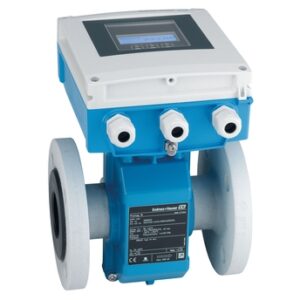
Flow Transmitter (Flow meter)286 Products
-
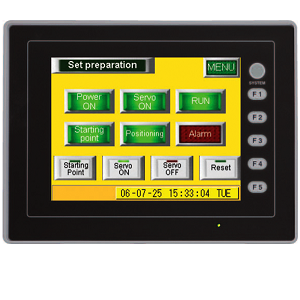
HMI/Touch Screen592 Products
-
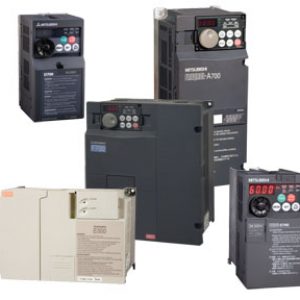
Inverter911 Products
-
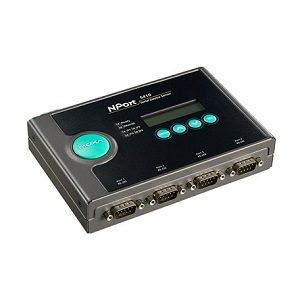
Network/Signal4 Products
-
Others4,668 Products
-
Power Supply218 Products
-
Pressure Transmitter143 Products
-
Programmable Logic Controller (PLC)6,288 Products
-
Relay927 Products
-
Sensor2,221 Products
-
Servo Motors & Motor Drives4,363 Products
-
Switch897 Products
-
Timer93 Products
-
Uncategorized1,148 Products
-
Valve Controller & Manifolds15 Products
-
Variable Frequency Drives (VFD)258 Products
-
Yokogawa Remote Indicators16 Products