
Understanding OPC UA Protocol
Understanding OPC UA Protocol and How It Works in Factory Automation Control
What is OPC UA? and What is the difference between OPC UA and OPC Classic?
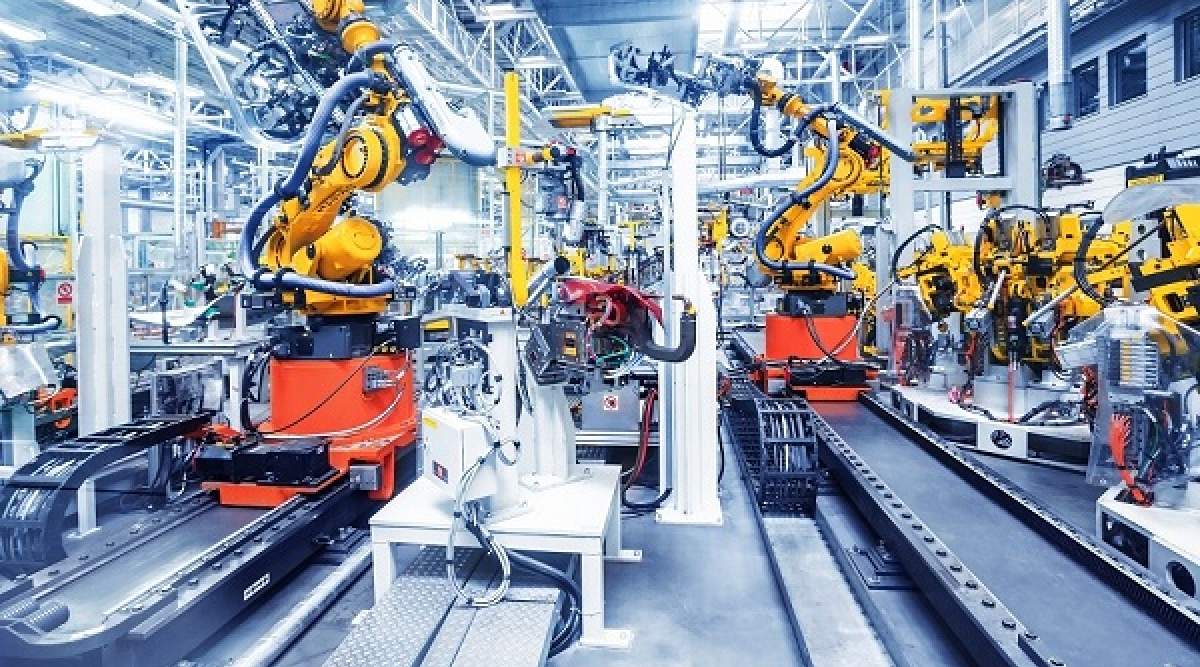
Understanding OPC UA Protocol and How It Works
In modern industrial automation, data is everything. Machines, sensors, control systems, and enterprise software all need to exchange information reliably—and more importantly, securely. That’s where OPC UA comes in. OPC UA (Open Platform Communications Unified Architecture) has become one of the most important communication standards in industrial environments. Whether you’re working with PLCs, SCADA systems, or cloud platforms, chances are OPC UA is somewhere in the architecture.
This guide breaks down what OPC UA is, how it works, and why it has become a cornerstone of Industry 4.0.
What Is OPC UA?
OPC UA is a platform-independent, secure communication protocol designed for industrial automation systems. It enables machines, software, and devices from different manufacturers to exchange data seamlessly. Unlike older communication standards, OPC UA is not tied to a specific operating system or vendor. It provides a standardized framework for interoperability across industrial environments.
At its core, OPC UA solves a long-standing problem in automation: how to get different systems—often built by different vendors—to talk to each other without custom integrations.
Why OPC UA Was Developed
Before OPC UA, earlier OPC standards relied heavily on Microsoft technologies like DCOM. This created limitations in scalability, security, and cross-platform compatibility. OPC UA was developed by the OPC Foundation to:
- Remove dependency on Windows-based systems
- Enable secure, encrypted communication
- Standardize data exchange across vendors
- Support modern industrial architectures like IIoT
Today, OPC UA is widely used across manufacturing, energy, pharmaceuticals, and logistics industries.
Key Characteristics of OPC UA
OPC UA stands out because it combines several critical capabilities into one protocol:
- Platform independence (Windows, Linux, embedded systems)
- Built-in security (encryption, authentication)
- Scalable architecture
- Vendor-neutral interoperability
- Rich data modeling capabilities
These features make OPC UA suitable for everything from factory-floor devices to cloud-based analytics systems.
How OPC UA Works
Understanding OPC UA requires looking at how data flows between systems. At a high level, OPC UA operates using a client-server architecture, where one system provides data and another consumes it.
OPC UA Client-Server Model
In the client-server model:
- The server hosts data (e.g., PLC, sensor gateway)
- The client requests or subscribes to that data (e.g., SCADA, HMI, cloud system)
The server exposes its data in a structured format, and the client interacts with it through standardized services. This model allows multiple clients to access the same data source without interfering with each other.
OPC UA Publish-Subscribe Model
In addition to client-server communication, OPC UA also supports a publish-subscribe (Pub/Sub) model. In this setup:
- A publisher sends data to the network
- Multiple subscribers receive the data simultaneously
This approach is especially useful for large-scale systems where data needs to be distributed efficiently across multiple endpoints.
Data Flow in OPC UA Systems
Here’s how a typical OPC UA data exchange works:
- A device (such as a PLC) collects process data
- The OPC UA server organizes this data into structured objects
- A client connects to the server
- The client reads or subscribes to specific data points
- Data is transmitted securely over the network
This structured approach ensures consistent data exchange across different systems and platforms.
OPC UA Architecture Explained
OPC UA is more than just a communication protocol—it’s a complete architecture designed for industrial data exchange.
Information Modeling
One of the most powerful features of OPC UA is its information model. Instead of just sending raw data (like numbers or signals), OPC UA structures data into meaningful objects with context. For example, a temperature reading isn’t just a number—it includes:
- Value
- Unit (°C or °F)
- Timestamp
- Status or quality
This object-oriented structure makes data easier to interpret and use across systems.
OPC UA Address Space
The OPC UA server organizes all data into an address space, which acts like a structured database. This address space includes:
- Nodes (data points or objects)
- Variables (values such as temperature or pressure)
- Methods (actions that can be executed)
Clients browse this address space to discover available data and interact with it.
Communication Stack
At the technical level, OPC UA uses a communication stack that supports multiple transport protocols. These include:
- TCP/IP (most common)
- HTTP
- Web services
This flexibility allows OPC UA to operate across different network infrastructures, from factory networks to cloud environments.
Key Features of OPC UA Protocol
OPC UA’s popularity comes from a combination of features that address real industrial challenges.
Platform Independence
OPC UA is not tied to any specific operating system. It works across:
- Windows systems
- Linux platforms
- Embedded devices
- Cloud environments
This eliminates compatibility issues that were common with older protocols.
Built-In Security
Security is one of OPC UA’s strongest advantages. It includes:
- Encryption of data
- Authentication of users and devices
- Digital certificates
- Secure communication channels
These features help protect industrial systems from cyber threats and unauthorized access.
Scalability
OPC UA can scale from small systems to large enterprise environments. It supports communication across multiple levels:
- Field devices (sensors and actuators)
- Control systems (PLCs, DCS)
- Supervisory systems (SCADA)
- Enterprise systems (MES, ERP)
Interoperability
Because OPC UA is vendor-neutral, it allows devices from different manufacturers to communicate seamlessly. This reduces integration costs and simplifies system design.
OPC UA vs OPC Classic
Understanding OPC UA becomes clearer when compared to older OPC standards.
Limitations of OPC Classic
OPC Classic relied on:
- Microsoft DCOM technology
- Windows-only environments
- Limited security features
These limitations made it difficult to scale and secure industrial systems.
Improvements with OPC UA
OPC UA addresses these limitations by offering:
- Cross-platform compatibility
- Built-in security
- Modern communication architecture
- Better scalability
This makes OPC UA the preferred standard for modern industrial automation systems.
Applications of OPC UA in Industry
OPC UA is used across a wide range of industries and applications.
Manufacturing and Smart Factories
OPC UA enables seamless communication between machines, robots, and production systems. It plays a critical role in:
- Smart manufacturing
- Predictive maintenance
- Real-time production monitoring
SCADA and HMI Systems
OPC UA is widely used to connect PLCs with SCADA and HMI systems. It allows operators to monitor and control industrial processes in real time.
Industrial IoT (IIoT)
OPC UA is a key enabler of Industrial IoT. It allows data from machines to be transmitted to cloud platforms for analytics and optimization.
Enterprise Integration
OPC UA bridges the gap between operational technology (OT) and information technology (IT). It connects:
- Production systems
- MES platforms
- ERP systems
This enables better decision-making and operational efficiency.
Benefits of Using OPC UA
Improved Data Interoperability
OPC UA allows different systems to communicate without custom interfaces, reducing complexity.
Enhanced Security
Built-in security features protect data and ensure safe communication across networks.
Reduced Integration Costs
Because OPC UA is standardized, it reduces the need for custom development.
Future-Proof Architecture
OPC UA is designed to support emerging technologies such as:
- Industry 4.0
- Digital twins
- Edge computing
Recommended Related Articles:
https://www.automationpioneer.com/plc-programming-basics
PLC Programming Basics
https://www.automationpioneer.com/what-is-scada-system
What Is SCADA System
https://www.automationpioneer.com/plc-vs-dcs
PLC vs DCS Explained
https://www.automationpioneer.com/types-of-industrial-sensors
Types of Industrial Sensors
https://www.automationpioneer.com/industrial-communication-protocols
Industrial PLC Communication Protocols Guide
https://www.automationpioneer.com/pressure-transmitters-guide
Pressure Transmitter Guide
https://www.automationpioneer.com/industrial-iot-guide
Industrial IoT Guide
Frequently Asked Questions (FAQ)
What is OPC UA in simple terms?
OPC UA is a communication protocol that allows machines, software, and devices to share data securely and reliably, regardless of manufacturer or platform.
How does OPC UA work?
OPC UA works using a client-server or publish-subscribe model, where data is collected from devices, structured into objects, and transmitted securely to clients that request or subscribe to it.
What is the difference between OPC UA and OPC Classic?
OPC UA is platform-independent, secure, and scalable, while OPC Classic relies on Windows-based technologies and lacks modern security features.
Why is OPC UA important in Industry 4.0?
OPC UA enables seamless communication between devices, systems, and cloud platforms, making it essential for smart factories and Industrial IoT applications.
Is OPC UA secure?
Yes. OPC UA includes built-in security features such as encryption, authentication, and digital certificates to protect data and systems.
Where is OPC UA used?
OPC UA is used in manufacturing, energy, pharmaceuticals, logistics, and any industry that requires reliable and secure data exchange between systems.
Your One-Stop Source for Reliable Automation & Process Control Equipment
Access trusted process control equipment, expert support, and fast sourcing—all in one place.
-
AC Drives 18,160 Products
-
Butterfly Valve236 Products
-
Circuit Breakers2,226 Products
-
Contactors567 Products
-
Counters78 Products
-
Encoder117 Products
-
Fanuc Main Board1,376 Products
-
Flow Transmitter (Flow meter)396 Products
-
HMI/Touch Screen592 Products
-
Inverter911 Products
-
Network/Signal4 Products
-
Others4,668 Products
-
Power Supply218 Products
-
Pressure Transmitter143 Products
-
Programmable Logic Controller (PLC)6,288 Products
-
Relay927 Products
-
Sensor2,221 Products
-
Servo Motors & Motor Drives4,363 Products
-
Switch897 Products
-
Timer93 Products
-
Uncategorized1,145 Products
-
Valve Controller & Manifolds15 Products
-
Variable Frequency Drives (VFD)258 Products
-
Yokogawa Remote Indicators16 Products