
CAN Bus vs Modbus vs Profibus Protocols
Understanding The Difference Between CAN Bus vs Modbus vs Profibus Protocols in Industrial Automation Control
What is the main difference between CAN Bus, Modbus, and Profibus?
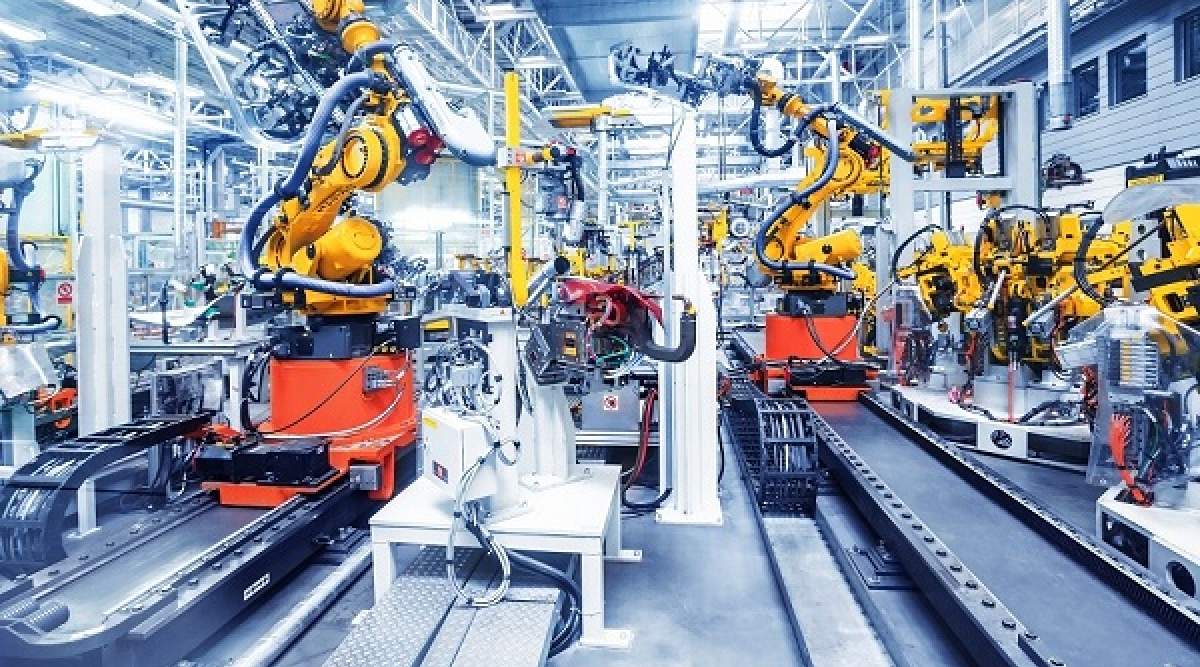
The Difference Between CAN Bus vs Modbus vs Profibus Protocols: A Practical Guide for Industrial Automation Engineers
Industrial communication protocols are the backbone of modern automation systems. Whether you’re connecting sensors to PLCs, integrating machines on a factory floor, or building a distributed control system, the choice of protocol directly impacts performance, reliability, and scalability.
Among the most widely used protocols are CAN Bus, Modbus, and Profibus. Each has a different design philosophy, communication model, and ideal use case. Understanding how they differ is not just academic—it’s essential for designing efficient and future-proof automation systems.
This guide breaks down the differences clearly, from architecture and performance to real-world applications.
Understanding Industrial Communication Protocols
Industrial communication protocols define how devices exchange data within an automation system. They establish rules for:
- Data formatting
- Transmission methods
- Error detection
- Device addressing
In practice, these protocols allow controllers, sensors, actuators, and software systems to communicate reliably in real time. Modern industrial environments often use multiple protocols simultaneously. The key is selecting the right one based on:
- System complexity
- Required speed and determinism
- Network size
- Industry standards
What Is CAN Bus?
Overview of CAN Bus
Controller Area Network (CAN Bus) is a multi-master, message-based protocol originally developed for automotive systems but now widely used in industrial automation, robotics, and embedded systems. Unlike traditional master-slave systems, CAN Bus allows multiple devices to communicate on the same network without a central controller.
How CAN Bus Works
CAN Bus operates using a broadcast communication model:
- All nodes listen to messages on the network
- Messages are prioritized based on identifiers
- Devices decide whether to process or ignore messages
This design enables real-time communication with minimal latency, making CAN Bus highly efficient in time-critical applications.
Key Features of CAN Bus
- Multi-master architecture
- High reliability with built-in error detection
- Real-time communication capabilities
- Message-based (not device-address-based)
Typical Applications of CAN Bus
CAN Bus is commonly used in:
- Automotive systems (engine control, braking systems)
- Industrial robotics
- Medical equipment
- Elevator and building automation systems
Its strength lies in fast, deterministic communication in compact systems.
What Is Modbus?
Overview of Modbus
Modbus is one of the oldest and most widely used industrial communication protocols, originally developed in 1979 by Modicon (now Schneider Electric). It is known for its simplicity, openness, and ease of implementation, making it a de facto standard across industrial automation systems.
How Modbus Works
Modbus typically uses a master-slave (client-server) architecture:
- One master device initiates communication
- Slave devices respond to requests
- Data is exchanged in structured frames
This request-response model makes Modbus easy to understand and implement.
Modbus Variants
Modbus exists in several forms:
- Modbus RTU – Serial communication over RS-485
- Modbus ASCII – Older, text-based format
- Modbus TCP/IP – Ethernet-based communication
Each variant serves different industrial environments.
Key Features of Modbus
- Open and vendor-neutral protocol
- Simple implementation
- Wide compatibility across devices
- Flexible communication over serial or Ethernet
Limitations of Modbus
- Limited speed in serial versions
- Single master in traditional setups
- Less deterministic compared to advanced protocols
Despite these limitations, Modbus remains widely used due to its simplicity and universal support.
What Is Profibus?
Overview of Profibus
Profibus (Process Field Bus) is a high-performance industrial fieldbus protocol developed in the 1990s, primarily associated with Siemens and standardized under IEC frameworks. It is designed for both factory automation and process control, offering faster and more deterministic communication than Modbus.
How Profibus Works
Profibus uses a hybrid communication model:
- Master-slave communication
- Token-passing mechanism for multiple masters
This allows multiple controllers to share network access efficiently.
Types of Profibus
- Profibus-DP (Decentralized Peripherals) – High-speed factory automation
- Profibus-PA (Process Automation) – Intrinsically safe environments
- Profibus-FMS – Legacy systems
Profibus-DP is the most commonly used version in industrial environments.
Key Features of Profibus
- High-speed communication (up to 12 Mbps)
- Deterministic data exchange
- Support for complex industrial systems
- Advanced diagnostics and device integration
Typical Applications of Profibus
- Manufacturing automation
- Process industries (oil, gas, chemical plants)
- Large-scale distributed control systems
Profibus excels in large, complex industrial networks requiring high reliability and speed.
CAN Bus vs Modbus vs Profibus: Core Differences
Understanding how these protocols compare across key technical dimensions is critical when selecting the right one.
Communication Architecture
- CAN Bus: Multi-master, message-based
- Modbus: Master-slave (client-server)
- Profibus: Master-slave with multi-master support
Modbus relies on a central controller, while CAN Bus distributes control across all nodes. Profibus sits in between, offering structured but flexible communication.
Speed and Performance
- CAN Bus: Moderate speed, optimized for real-time control
- Modbus: Lower speed in serial, higher in TCP
- Profibus: High-speed, up to 12 Mbps
Profibus is the fastest among the three, especially in factory automation.
Network Size and Scalability
- CAN Bus: Limited node count but highly efficient
- Modbus: Scalable with TCP/IP networks
- Profibus: Supports up to 126 devices per segment
Modbus TCP offers the highest scalability, while Profibus provides structured large-scale networks.
Complexity
- CAN Bus: Moderate complexity
- Modbus: Very simple
- Profibus: Highly complex and feature-rich
Modbus is easiest to implement, while Profibus requires more engineering expertise.
Reliability and Determinism
- CAN Bus: Excellent real-time reliability
- Modbus: Less deterministic
- Profibus: Highly deterministic
CAN Bus and Profibus are preferred in applications requiring strict timing.
When to Use Each Protocol
Choosing the right protocol depends on your application.
When to Use CAN Bus
Use CAN Bus when:
- You need real-time control
- Systems are relatively compact
- High reliability is required
- Embedded systems are involved
When to Use Modbus
Use Modbus when:
- You need a simple and cost-effective solution
- Devices from multiple vendors must communicate
- System complexity is low to moderate
- Integration with legacy systems is required
When to Use Profibus
Use Profibus when:
- You need high-speed communication
- Systems are large and complex
- Deterministic performance is critical
- Advanced diagnostics are required
Practical Engineering Insight
In real-world industrial environments, it’s common to see these protocols coexisting within the same system. For example:
- CAN Bus used inside machines
- Modbus used for device-level integration
- Profibus used for plant-wide control systems
Rather than competing, these protocols often complement each other, depending on system architecture and requirements.
Recommended Related Articles:
- Industrial Automation Fundamentals
- Industrial Communication Protocols
- Industrial Instrumentation Control
- Industrial Sensors & Measurement
- Motion and Process Control
- PLC Programming & Controllers
- SCADA and DCS Systems
- Servo Motors and Motor Drives
Frequently Asked Questions (FAQ)
What is the main difference between CAN Bus, Modbus, and Profibus?
The main difference lies in their architecture and performance:
- CAN Bus is multi-master and message-based
- Modbus is simple and master-slave
- Profibus is high-speed and supports complex industrial systems
Which protocol is fastest?
Profibus is generally the fastest, supporting speeds up to 12 Mbps, making it suitable for high-performance industrial applications.
Is Modbus still used today?
Yes. Modbus remains widely used due to its simplicity, openness, and compatibility with a wide range of industrial devices.
Can these protocols work together?
Yes. Many industrial systems use gateways or converters to integrate CAN Bus, Modbus, and Profibus within the same network.
Which protocol is best for industrial automation?
There is no single “best” protocol. The choice depends on:
- System size
- Required speed
- Complexity
- Industry requirements
Each protocol is optimized for different use cases.
Is Profibus being replaced?
In many new systems, Profibus is gradually being replaced by Ethernet-based protocols like Profinet. However, it is still widely used in existing industrial installations.
Your One-Stop Source for Reliable Automation & Process Control Equipment
Access trusted process control equipment, expert support, and fast sourcing—all in one place.
-
AC Drives 18,165 Products
-
Butterfly Valve236 Products
-
Circuit Breakers2,226 Products
-
Contactors567 Products
-
Counters78 Products
-
Encoder117 Products
-
Fanuc Main Board1,376 Products
-
Flow Transmitter (Flow meter)552 Products
-
HMI/Touch Screen592 Products
-
Industrial Device Servers125 Products
-
Inverter911 Products
-
Network/Signal2 Products
-
Others4,502 Products
-
Power Supply218 Products
-
Pressure Transmitter146 Products
-
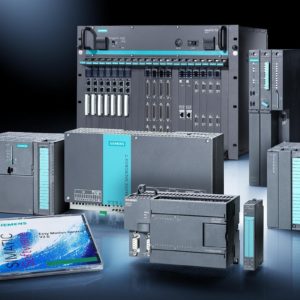
Programmable Logic Controller (PLC)6,290 Products
-
Relay927 Products
-
Sensor2,221 Products
-
Servo Motors & Motor Drives4,675 Products
-
Switch897 Products
-
Timer93 Products
-
Uncategorized1,141 Products
-
Valve Controller & Manifolds17 Products
-
Variable Frequency Drives (VFD)257 Products
-
Yokogawa Remote Indicators16 Products