
The Difference Between CANopen vs DeviceNet Protocols
Understanding The Difference Between CANopen vs DeviceNet Protocols in Industrial Automation Control
What is the main difference between CANopen and DeviceNet?
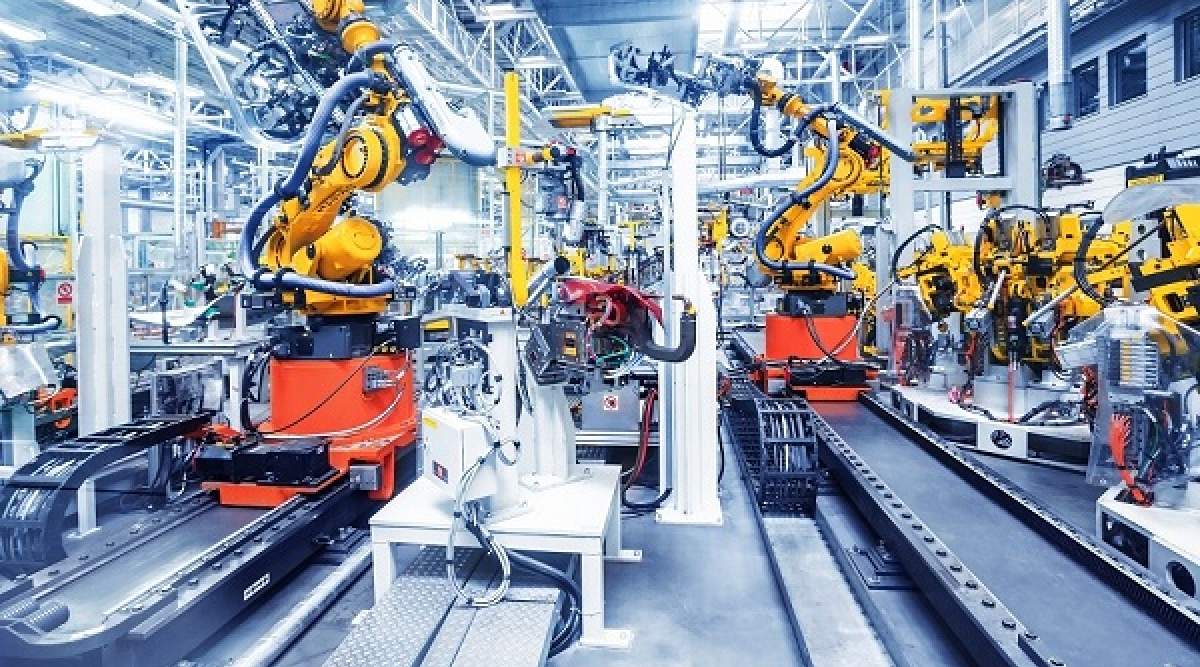
The Difference Between CANopen vs DeviceNet Protocols: A Practical Guide for Industrial Automation Engineers
Industrial communication protocols are the backbone of modern automation systems. They determine how controllers, sensors, drives, and actuators exchange data reliably in real time. Among the many fieldbus technologies available, CANopen and DeviceNet remain two widely used protocols built on the Controller Area Network (CAN) standard. At first glance, they appear similar—both are CAN-based, both are used in industrial automation, and both support device-level communication. But in practice, they differ significantly in architecture, flexibility, ecosystem, and application use.
This guide breaks down the real-world differences between CANopen and DeviceNet, helping you understand when to use each and how they impact system design.
Understanding CANopen and DeviceNet Protocols
Before comparing them directly, it’s important to understand what each protocol is and how it fits into industrial automation. Both CANopen and DeviceNet are higher-layer protocols built on top of the CAN bus, which provides the physical and data link layers for communication. However, they define different rules for:
- Data structure
- Device communication
- Network behavior
- System integration
What Is CANopen?
CANopen is an open communication protocol developed by the CAN in Automation (CiA) organization. It standardizes how devices communicate over a CAN network by defining structured communication models, device profiles, and data organization. One of its defining features is the object dictionary, which organizes all device parameters, configuration data, and communication variables in a standardized way. CANopen is widely used in:
- Motion control systems
- Embedded automation
- Robotics
- Machine control
Its strength lies in flexibility and customization, allowing engineers to tailor communication behavior to specific applications.
What Is DeviceNet?
DeviceNet is an industrial network protocol originally developed by Allen-Bradley (Rockwell Automation) and later standardized by the ODVA (Open DeviceNet Vendor Association). It is based on the Common Industrial Protocol (CIP) and uses CAN as its physical communication layer. DeviceNet is primarily designed for:
- Industrial I/O communication
- Factory automation systems
- PLC-based control networks
Unlike CANopen, DeviceNet emphasizes plug-and-play interoperability, making it easier to integrate devices from multiple vendors into a single system.
CANopen vs DeviceNet: Core Differences
Although both protocols share the same CAN foundation, their differences become clear when you examine how they handle communication, system design, and scalability.
1. Protocol Architecture and Standardization
The most fundamental difference lies in how each protocol is structured.
CANopen is a highly flexible, open standard maintained by CiA, allowing engineers to customize communication features and device behavior based on application needs. DeviceNet, on the other hand, follows a more rigid, standardized architecture based on CIP, ensuring consistent implementation across devices.
Key Insight
- CANopen = Flexible and customizable
- DeviceNet = Standardized and structured
This distinction has a direct impact on system design and integration.
2. Network Flexibility and Customization
CANopen is designed with flexibility in mind. Engineers can select only the features required for a specific application, optimizing performance and reducing unnecessary complexity. DeviceNet is less flexible but more predictable. Its strict specifications ensure that devices behave consistently, which simplifies integration.
Practical Implication
- CANopen is better for custom machine design and complex systems
- DeviceNet is better for standardized factory environments
3. Device Interoperability and Ecosystem
DeviceNet excels in interoperability due to its strict physical and communication standards. Devices from different manufacturers can be easily integrated into the same network. CANopen, while also standardized, allows more variation in implementation. This flexibility can sometimes require additional configuration during integration.
Key Takeaway
- DeviceNet = Easier multi-vendor integration
- CANopen = Greater flexibility, but requires more engineering effort
4. Network Size and Scalability
CANopen supports up to 127 nodes on a network, while DeviceNet typically supports up to 64 nodes. This makes CANopen more suitable for larger distributed systems.
Real-World Impact
- CANopen works well in large, distributed machine networks
- DeviceNet is commonly used in smaller, localized control systems
5. Communication Model and Data Handling
CANopen uses structured communication methods such as:
- Process Data Objects (PDOs) for real-time data
- Service Data Objects (SDOs) for configuration
- Network Management (NMT) for device control
These features provide a highly organized communication framework. DeviceNet uses a producer-consumer communication model based on CIP, which allows efficient data exchange between devices.
Key Difference
- CANopen = Structured communication with object dictionaries
- DeviceNet = CIP-based data exchange model
6. Physical Layer and Wiring
Although both protocols use CAN, DeviceNet defines stricter physical requirements, including:
- Cable types
- Network topology
- Power distribution
This enables DeviceNet to supply both data and power over the same cable, simplifying installation. CANopen offers more flexibility in physical implementation but requires more design consideration.
7. Application Focus
CANopen is widely used in:
- Motion control systems
- Embedded devices
- Robotics
- Custom machinery
DeviceNet is commonly used in:
- PLC-based systems
- Factory automation
- Industrial I/O networks
Summary
- CANopen = Engineering flexibility and advanced control
- DeviceNet = Simplicity and standardization
Key Similarities Between CANopen and DeviceNet
Despite their differences, these protocols share several important characteristics. Both are:
- Based on the CAN bus
- Designed for real-time communication
- Used in industrial automation
- Suitable for connecting sensors, actuators, and controllers
However, they are not directly compatible, and communication between them requires a protocol gateway.
CANopen vs DeviceNet: Practical Comparison Table
| Feature | CANopen | DeviceNet |
|---|---|---|
| Standard Organization | CiA (CAN in Automation) | ODVA |
| Protocol Type | Open, flexible | Standardized (CIP-based) |
| Max Nodes | Up to 127 | Up to 64 |
| Flexibility | High | Moderate |
| Interoperability | Moderate | High |
| Communication Model | Object dictionary (PDO/SDO) | Producer-consumer (CIP) |
| Physical Layer | Flexible | Strict specifications |
| Typical Use | Motion control, embedded systems | Factory automation, I/O control |
When to Choose CANopen vs DeviceNet
Choosing between CANopen and DeviceNet depends on your application requirements.
Choose CANopen When:
- You need high flexibility in system design
- Your application involves motion control or robotics
- You require scalable networks with many devices
- You want to customize communication behavior
Choose DeviceNet When:
- You need plug-and-play integration
- Your system is PLC-centric
- You require reliable multi-vendor compatibility
- You prefer standardized network configurations
Recommended Related Articles:
- Industrial Automation Fundamentals
- Industrial Communication Protocols
- Industrial Instrumentation Control
- Industrial Sensors & Measurement
- Motion and Process Control
- PLC Programming & Controllers
- SCADA and DCS Systems
- Servo Motors and Motor Drives
Frequently Asked Questions (FAQ)
What is the main difference between CANopen and DeviceNet?
The main difference is that CANopen is a flexible, open protocol designed for customization, while DeviceNet is a standardized protocol focused on interoperability and ease of integration.
Can CANopen and DeviceNet communicate directly?
No. Even though both use CAN, they are not compatible at the application layer. A gateway device is required for communication between the two.
Which protocol is better for motion control?
CANopen is generally better suited for motion control because of its structured communication model and flexibility.
Is DeviceNet still used today?
Yes, DeviceNet is still used in many industrial automation systems, especially in legacy and PLC-based environments.
Which protocol is more scalable?
CANopen is more scalable because it supports more nodes and allows greater flexibility in network design.
Your One-Stop Source for Reliable Automation & Process Control Equipment
Access trusted process control equipment, expert support, and fast sourcing—all in one place.
-
AC Drives 18,165 Products
-
Butterfly Valve236 Products
-
Circuit Breakers2,226 Products
-
Contactors567 Products
-
Counters78 Products
-
Encoder117 Products
-
Fanuc Main Board1,376 Products
-
Flow Transmitter (Flow meter)552 Products
-
HMI/Touch Screen592 Products
-
Industrial Device Servers125 Products
-
Inverter911 Products
-
Network/Signal2 Products
-
Others4,502 Products
-
Power Supply218 Products
-
Pressure Transmitter146 Products
-
Programmable Logic Controller (PLC)6,290 Products
-
Relay927 Products
-
Sensor2,221 Products
-
Servo Motors & Motor Drives4,675 Products
-
Switch897 Products
-
Timer93 Products
-
Uncategorized1,141 Products
-
Valve Controller & Manifolds17 Products
-
Variable Frequency Drives (VFD)257 Products
-
Yokogawa Remote Indicators16 Products