The industrial metal processing industry is complex and one that faces many unique challenges, which prevent businesses from reaching their full potential. However, with advanced technology, like steel automation solutions, businesses can optimize their operational efficiencies, reduce safety risks, and drive better decision-making across processes.
Challenges in the Industrial Metal Processing Industry
The steel and industrial metals industry faces many challenges, ranging from supply chain and quality management issues to maintaining worker safety and regulatory compliance. Some of the most common challenges faced by businesses in this sector include:
- Supply chain management – outdated technology and fragmented operations often prevent businesses from adjusting inventory to meet fluctuating market trends.
- Maintaining worker safety – steel processing relies on high-temperature transformations to achieve the final product, a process that can put workers at severe risk of bodily harm or injury.
- Adherence to pollution and waste management regulations – the steel industry is one of the biggest contributors to man-made CO2 emissions, and the processes used can create hazardous byproducts that need to be disposed of safely.
- Excess capacity – the current gap between global steelmaking capacity and the world demand is leading to financial difficulties for many steelmakers.
- Quality assurance – the structural integrity of products must meet stringent regulations to ensure its safety in end usage.
What is Automation in the Steel Industry?
Industrial metal and steel automation refers to the many advanced technologies that can be incorporated into industrial metal manufacturing processes to increase operational efficiency, reduce risks to workers, and ensure regulatory compliance.
What Processes Can be Automated?
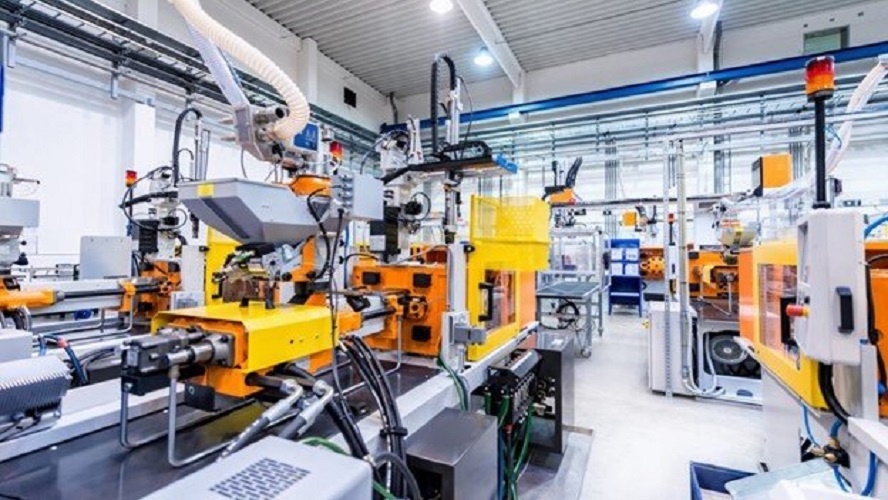
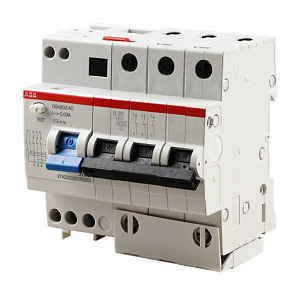
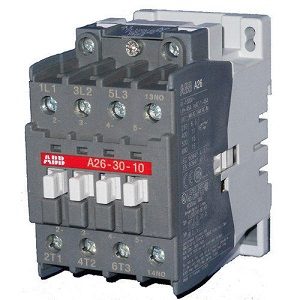
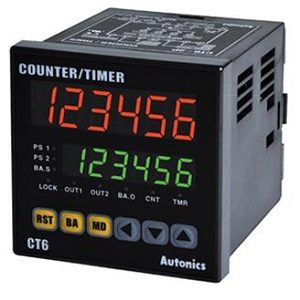
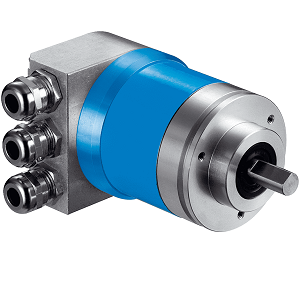
Steel automation solutions can range from physically automating processes and equipment, such as power distribution or stacker-reclaimer control, to digital solutions, like automated metal distribution software. Common processes that can be automated include:
- Casting
- Rolling
- Finishing
- Slab handling
- Coil handling
- Crane control
- Dip tank and coil storage operations
- Power distribution
This combination of automation technology enables manufacturers to streamline their processes from maintaining supply levels to delivering end products, and everything in between.
Benefits of Steel Automation
Industrial metal and steel automation provides businesses with a holistic view of their operations, empowering them to maintain end-to-end operational efficiency. Some of the biggest benefits of incorporating these automation solutions include:
- Improved operational efficiency
- Reduced production costs
- Data-driven decision-making capabilities
- Ensured adherence to regulatory compliance
- Increased worker safety