
What Is SCADA System?
Understanding What is SCADA Systems - Supervisory Control and Data Acquisition in Modern Factory Automation Control Systems
What is a SCADA System and How Does It Work? and What is the difference between SCADA and PLC?
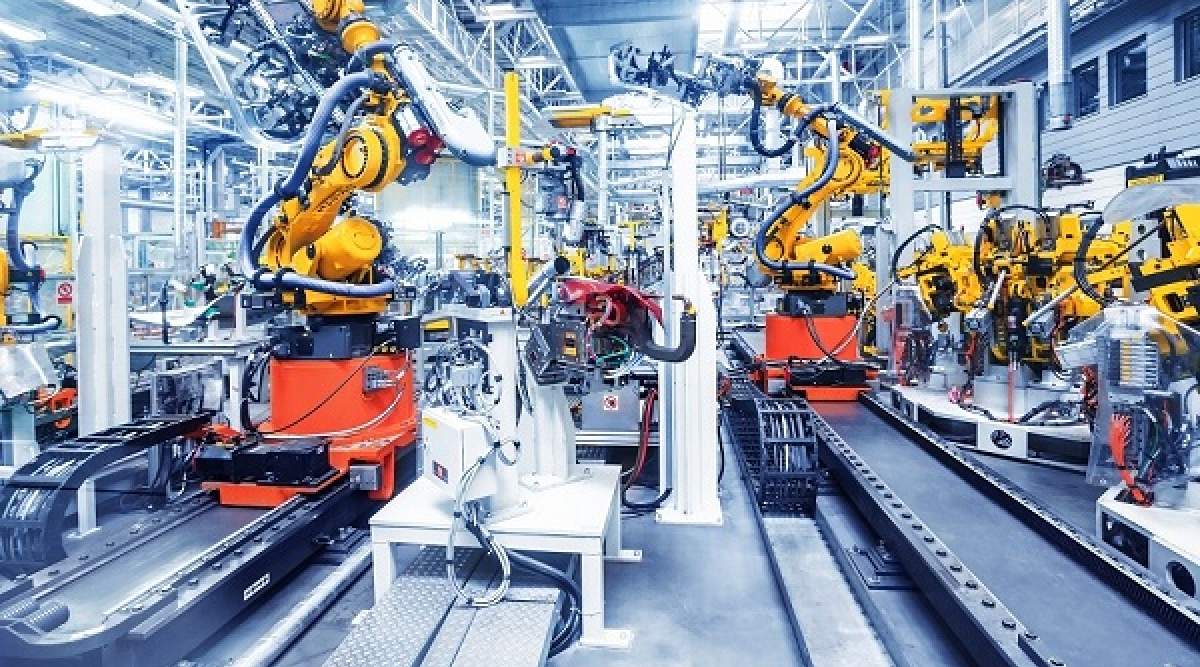
What Is SCADA System? A Complete Guide to Supervisory Control and Data Acquisition
Industrial facilities today operate at a scale and complexity that would be nearly impossible to manage manually. Power plants regulate thousands of sensors, oil pipelines stretch for hundreds of miles, and manufacturing plants run dozens of production lines simultaneously. To monitor and control such systems efficiently, industries rely on SCADA systems.
SCADA stands for Supervisory Control and Data Acquisition. It is a control system architecture that uses computers, communication networks, and software interfaces to monitor and supervise industrial processes in real time.
A SCADA system gathers data from field devices such as sensors, programmable logic controllers (PLCs), and remote terminal units (RTUs). This data is transmitted to central software where operators can visualize the entire process, identify abnormal conditions, and issue control commands when necessary.
In simple terms, SCADA acts as the central monitoring and control platform for industrial automation systems. From water treatment plants and energy grids to manufacturing facilities, SCADA technology enables operators to manage large-scale industrial operations safely and efficiently.
Understanding SCADA Systems
A SCADA system is essentially a combination of hardware and software designed to supervise and control industrial processes. Unlike basic machine controllers, SCADA provides a high-level overview of operations, allowing operators to monitor entire plants or networks from a central location.
SCADA systems collect information from thousands of sensors and devices, analyze the data in real time, and present it through graphical dashboards. Operators can then make decisions based on this information or send commands back to field equipment.
In modern industrial environments, SCADA systems are used to:
Monitor process conditions such as pressure, temperature, and flow
Detect faults or abnormal operating conditions
Trigger alarms and safety responses
Control industrial equipment remotely
Record historical data for analysis and optimization
Because SCADA systems integrate monitoring, control, and data analysis, they are considered a critical component of modern industrial control systems (ICS).
Definition of SCADA
SCADA, or Supervisory Control and Data Acquisition, refers to a control system architecture that uses computers and communication networks to supervise machines and industrial processes.
The term “supervisory” is important here. SCADA does not usually perform the direct control logic itself. Instead, the real-time control actions are typically executed by local controllers such as PLCs or RTUs. SCADA operates at a higher level by collecting information from these controllers and providing oversight of the entire system.
This structure allows operators to manage large industrial operations from centralized control rooms.
The Evolution of SCADA Technology
SCADA systems have evolved significantly over the past several decades.
Early Telemetry Systems
Early industrial monitoring systems relied on simple telemetry technologies that transmitted data from remote equipment to control rooms. These systems were often analog and limited in functionality.
Digital SCADA Systems
With the development of microprocessors and digital communications, SCADA systems began incorporating computers and programmable controllers. This allowed engineers to build more sophisticated monitoring systems capable of handling complex industrial processes.
Modern SCADA Platforms
Today’s SCADA systems integrate with advanced technologies such as:
cloud computing
Industrial Internet of Things (IIoT)
predictive analytics
machine learning
Modern platforms provide remote access, advanced visualization tools, and detailed data analytics that help organizations optimize operations.
How SCADA Systems Work
SCADA systems operate by collecting data from industrial equipment, transmitting that data to central software, and allowing operators to monitor and control processes.
The basic workflow includes four main steps:
Data collection from sensors and field devices
Data transmission through communication networks
Data processing and visualization
Operator control and automated responses
This architecture allows SCADA systems to monitor industrial processes continuously and respond quickly to abnormal conditions.
Data Acquisition
Data acquisition is the process of collecting information from sensors and field devices installed throughout an industrial facility.
Typical measurements include: temperature, pressure, flow rate, level, electrical current, equipment status
Sensors convert these physical measurements into electrical signals that can be transmitted to control systems.
The collected data provides real-time visibility into how industrial processes are operating.
Communication Networks
Once data is collected from field devices, it must be transmitted to the SCADA system.
This is done through industrial communication networks such as:
Modbus
DNP3
Ethernet/IP
Profibus
OPC UA
These communication protocols allow sensors, controllers, and computers to exchange information reliably across industrial networks.
Communication networks are particularly important for industries with geographically distributed infrastructure such as pipelines, electrical grids, and water distribution systems.
SCADA Software and Human-Machine Interfaces
SCADA software provides the visual interface that allows operators to monitor industrial processes.
This interface is commonly referred to as a Human-Machine Interface (HMI).
Through SCADA dashboards, operators can view:
process diagrams
equipment status indicators
alarm notifications
trend charts and historical data
SCADA software converts complex sensor data into graphical displays that make it easier for operators to understand system performance.
Control and Automation
SCADA systems do more than just monitor industrial processes. They also allow operators to control equipment remotely.
For example, a SCADA system might:
open or close valves
start or stop pumps
adjust process setpoints
trigger safety shutdowns
In many cases, control actions are automated through PLCs or RTUs connected to the SCADA system.
Key Components of a SCADA System
A typical SCADA system consists of several integrated components that work together to monitor and control industrial operations.
Field Devices
Field devices are the sensors and instruments installed directly in the industrial process.
These devices measure variables such as: temperature, pressure, flow rate, liquid level.
Field devices provide the raw data required for monitoring industrial processes.
For a deeper understanding of industrial instrumentation, see:
https://www.automationpioneer.com/news/types-of-industrial-sensors
Programmable Logic Controllers (PLCs)
PLCs are industrial computers used to control machinery and process equipment.
They receive signals from sensors, execute control logic, and send commands to actuators such as motors or valves.
SCADA systems often communicate with PLCs to collect data and supervise machine operations.
Learn more about PLC technology here:
https://www.automationpioneer.com/news/plc-programming-basics
Remote Terminal Units (RTUs)
Remote Terminal Units are devices used in distributed systems where equipment is located far from the central control room.
RTUs collect data from remote sensors and transmit it to the SCADA system through communication networks.
They are commonly used in industries such as:
oil and gas pipelines
power transmission networks
water distribution systems
SCADA Servers
The SCADA server is the central computer that processes incoming data and runs the SCADA software.
This server manages: data collection, alarm processing, system visualization, historical data storage
Large SCADA systems may use multiple servers to ensure reliability and redundancy.
Applications of SCADA Systems
SCADA technology is widely used across many industries.
Power Generation and Distribution
Electrical utilities rely heavily on SCADA systems to monitor power generation and manage electricity transmission networks.
Operators can track voltage levels, detect faults, and control power flows across large grid systems.
Oil and Gas Industry
SCADA systems are used extensively in pipeline monitoring and refinery operations.
Operators can monitor pipeline pressure, control pumping stations, and detect leaks in real time.
Water and Wastewater Treatment
Municipal water treatment plants use SCADA systems to manage pumps, filtration systems, and chemical dosing processes.
SCADA systems also monitor water quality and ensure regulatory compliance.
Manufacturing Industry
In manufacturing plants, SCADA systems monitor production lines, track equipment performance, and optimize manufacturing efficiency.
For additional insights on industrial automation technologies, see:
https://www.automationpioneer.com/news/what-is-industrial-automation
Benefits of SCADA Systems
SCADA systems provide several important advantages for industrial operations.
Real-Time Monitoring
SCADA allows operators to monitor industrial processes continuously and respond quickly to abnormal conditions.
Improved Operational Efficiency
By providing accurate data and automation capabilities, SCADA systems help organizations optimize production and reduce downtime.
Enhanced Safety
SCADA systems detect abnormal conditions and trigger alarms before equipment failures or safety incidents occur.
Data Logging and Analysis
SCADA systems record historical data that engineers can analyze to improve system performance and maintenance strategies.
SCADA vs Other Industrial Control Systems
SCADA systems are part of a broader category of industrial control systems.
Two commonly compared technologies are PLC systems and Distributed Control Systems (DCS).
PLCs typically control individual machines or processes, while SCADA systems provide centralized monitoring and supervision of multiple PLCs.
To understand the difference in more detail, see:
https://www.automationpioneer.com/news/plc-vs-dcs
- Industrial Automation Fundamentals
- Industrial Communication Protocols
- Industrial Instrumentation Control
- Industrial Sensors & Measurement
- Motion and Process Control
- PLC Programming & Controllers
- SCADA and DCS Systems
- Servo Motors and Motor Drives
Frequently Asked Questions (FAQ)
What does SCADA stand for?
SCADA stands for Supervisory Control and Data Acquisition, a system used to monitor and control industrial processes remotely.
What is the main purpose of a SCADA system?
The main purpose of a SCADA system is to collect real-time data from industrial equipment and allow operators to monitor and control processes from a centralized interface.
What industries use SCADA systems?
SCADA systems are used in industries such as power generation, oil and gas, water treatment, manufacturing, transportation, and infrastructure management.
What is the difference between SCADA and PLC?
A PLC controls machines or equipment directly, while SCADA systems monitor and supervise multiple PLCs across an entire facility or network.
Is SCADA part of Industry 4.0?
Yes. SCADA systems are an important component of Industry 4.0 because they enable real-time data monitoring, remote control, and integration with digital technologies such as Industrial IoT
Your One-Stop Source for Reliable Automation & Process Control Equipment
Access trusted process control equipment, expert support, and fast sourcing—all in one place.
-
AC Drives 18,165 Products
-
Butterfly Valve236 Products
-
Circuit Breakers2,226 Products
-
Contactors567 Products
-
Counters78 Products
-
Encoder117 Products
-
Fanuc Main Board1,376 Products
-
Flow Transmitter (Flow meter)552 Products
-
HMI/Touch Screen592 Products
-
Inverter911 Products
-
Network/Signal4 Products
-
Others4,613 Products
-
Power Supply218 Products
-
Pressure Transmitter146 Products
-
Programmable Logic Controller (PLC)6,290 Products
-
Relay927 Products
-
Sensor2,221 Products
-
Servo Motors & Motor Drives4,499 Products
-
Switch897 Products
-
Timer93 Products
-
Uncategorized1,143 Products
-
Valve Controller & Manifolds15 Products
-
Variable Frequency Drives (VFD)257 Products
-
Yokogawa Remote Indicators16 Products