Understanding PROFINET Protocol

Understanding PROFINET Protocol and How It Works in Factory Automation Control

What is PROFINET in simple terms and how it works?

Understanding PROFINET Protocol and How It Works

In modern industrial automation, communication is everything. Machines, controllers, sensors, and software systems must exchange data in real time to keep production lines running efficiently. That’s where PROFINET comes in.
PROFINET is one of the most widely adopted Industrial Ethernet protocols, designed specifically for fast, reliable, and deterministic communication in automation systems. If you’re working with PLCs, drives, robotics, or process control systems, chances are PROFINET is either already in your plant—or it should be on your radar.
This guide breaks down PROFINET in practical terms: what it is, how it works, why it matters, and how it fits into modern automation architectures.
What Is PROFINET?
PROFINET (short for Process Field Network) is an open Industrial Ethernet communication protocol used to exchange data between controllers and field devices in automation systems. Unlike traditional fieldbus systems, PROFINET is built on standard Ethernet technology, which allows it to integrate seamlessly with IT networks while still delivering the speed and reliability required for industrial environments. At its core, PROFINET enables communication between:

  • PLCs and controllers
  • Remote I/O systems
  • Sensors and actuators
  • Drives and motion control systems
  • HMIs and SCADA platforms

The protocol is designed to handle both standard data communication and time-critical control signals, making it suitable for everything from simple monitoring to high-speed motion control.
Why PROFINET Is Important in Industrial Automation
Industrial environments demand more from communication networks than typical office networks. Timing, reliability, and determinism are critical. PROFINET addresses these challenges by providing:

  • Real-time communication for control applications
  • High-speed data transfer using Ethernet
  • Deterministic behavior for time-sensitive operations
  • Seamless integration with existing IT infrastructure

Traditional Ethernet lacks the ability to guarantee timing precision, which is essential for automation tasks. PROFINET extends Ethernet capabilities to meet industrial requirements such as low latency and predictable data delivery.
How PROFINET Works
To understand PROFINET, it helps to look at how data moves through an industrial automation system. At a high level, PROFINET enables communication between devices over Ethernet using a combination of standard and real-time communication methods.
PROFINET Communication Model
In a typical PROFINET network, there are three main components:

  • IO Controller – Usually a PLC that controls the system
  • IO Device – Field devices such as sensors, actuators, and drives
  • IO Supervisor – Engineering tools or HMIs used for configuration and monitoring

The IO controller sends commands to IO devices and receives feedback data in return. This communication happens continuously during operation.
Cyclic and Acyclic Communication
PROFINET uses two types of communication:
Cyclic Communication

This is real-time data exchange between the controller and field devices.

  • Used for control signals
  • Occurs continuously
  • Ensures deterministic performance

Acyclic Communication

This is used for non-time-critical data.

  • Device configuration
  • Diagnostics
  • Parameter updates

PROFINET supports both types simultaneously, allowing systems to handle control tasks and monitoring functions efficiently.
PROFINET Communication Channels
One of the defining features of PROFINET is its ability to use different communication channels depending on the application.
TCP/IP Communication
Used for:

  • Configuration
  • Diagnostics
  • Data logging

This channel is not time-critical and behaves like standard Ethernet communication.
Real-Time (RT) Communication
This is where PROFINET becomes powerful.

  • Bypasses standard TCP/IP processing
  • Reduces latency
  • Enables fast and deterministic communication

PROFINET achieves this by sending data directly at the Ethernet layer, avoiding delays caused by higher-level protocols.
Isochronous Real-Time (IRT)
IRT is used for extremely time-sensitive applications.

  • Cycle times below 1 millisecond
  • Required for motion control and robotics
  • Ensures precise synchronization

This level of performance is critical in applications like robotic assembly lines or high-speed packaging systems.
Network Topologies in PROFINET
PROFINET supports multiple network topologies, allowing engineers to design systems based on operational needs. Common topologies include:

  • Star topology
  • Line topology
  • Ring topology

This flexibility makes it easier to scale systems and adapt to different industrial environments.
Key Components of a PROFINET System
A PROFINET network is made up of several interconnected components that work together to enable communication.
Controllers (PLCs)
The PLC acts as the central control unit in a PROFINET system. It:

  • Sends commands to devices
  • Receives feedback data
  • Executes control logic

To understand PLCs in more depth, see:
https://www.automationpioneer.com/news/plc-programming-basics
IO Devices
IO devices include sensors, actuators, drives, and other field equipment. These devices:

  • Collect process data
  • Execute commands from the controller
  • Provide real-time feedback

Industrial Ethernet Switches

Switches connect devices within the PROFINET network. They ensure:

  • Reliable data transmission
  • Network segmentation
  • Efficient communication between nodes

Engineering Tools

Engineering software is used to configure and manage PROFINET systems. These tools allow engineers to:

  • Assign device addresses
  • Configure communication parameters
  • Monitor system performance

PROFINET vs Traditional Ethernet

At first glance, PROFINET may look like standard Ethernet—but the differences are significant.
Standard Ethernet is designed for office environments, where delays of milliseconds or even seconds are acceptable. Industrial automation, however, requires precise timing and deterministic behavior. PROFINET solves this by:

  • Prioritizing time-critical data
  • Using real-time communication channels
  • Ensuring predictable data delivery

It essentially transforms Ethernet into a protocol suitable for industrial control.
Advantages of PROFINET
PROFINET has become one of the leading industrial communication protocols for several reasons.
High-Speed Communication
PROFINET supports data transmission rates up to gigabit speeds, enabling fast communication across industrial networks.
Real-Time Performance
The protocol ensures deterministic communication, which is essential for time-critical control applications.
Scalability
PROFINET networks can easily expand to accommodate additional devices or production lines.
Flexibility
Supports multiple communication types within the same network, including IT and industrial traffic.
Interoperability
As an open standard, PROFINET allows devices from different manufacturers to work together seamlessly.
Applications of PROFINET
PROFINET is used across a wide range of industries.
Manufacturing
Used in:

  • Assembly lines
  • Robotics
  • Packaging systems
  • Material handling

Process Industries

Common in:

  • Oil and gas
  • Chemical plants
  • Water treatment facilities

Motion Control

PROFINET IRT is widely used in:

  • Robotics
  • CNC machines
  • High-speed conveyors

Smart Factories and Industry 4.0

PROFINET plays a key role in digital transformation by enabling connectivity between machines, systems, and enterprise platforms.
For more on digital manufacturing, see:
https://www.automationpioneer.com/news/industrial-iot-guide
PROFINET vs Other Industrial Protocols
PROFINET is often compared with other industrial communication protocols. Compared to fieldbus systems like PROFIBUS, PROFINET offers:

  • Higher speed
  • Better integration with IT systems
  • Greater scalability

Compared to other Industrial Ethernet protocols, PROFINET stands out for its:

  • Real-time performance
  • Wide adoption
  • Strong ecosystem

Recommended Related Articles:

https://www.automationpioneer.com/plc-programming-basics
PLC Programming Basics
https://www.automationpioneer.com/what-is-scada-system
What Is SCADA System
https://www.automationpioneer.com/plc-vs-dcs
PLC vs DCS Explained
https://www.automationpioneer.com/types-of-industrial-sensors
Types of Industrial Sensors
https://www.automationpioneer.com/industrial-communication-protocols
Industrial PLC Communication Protocols Guide
https://www.automationpioneer.com/pressure-transmitters-guide
Pressure Transmitter Guide
https://www.automationpioneer.com/industrial-iot-guide
Industrial IoT Guide
Frequently Asked Questions (FAQ)
What is PROFINET in simple terms?
PROFINET is an Industrial Ethernet communication protocol that allows controllers and devices in automation systems to exchange data in real time.
How does PROFINET work?
PROFINET works by transmitting data over Ethernet using different communication channels, including TCP/IP for standard tasks and real-time channels for time-critical operations.
What is the difference between PROFINET and Ethernet?
Standard Ethernet is designed for general data communication, while PROFINET is optimized for industrial automation with real-time and deterministic communication capabilities.
What industries use PROFINET?
PROFINET is used in manufacturing, oil and gas, chemical processing, power generation, and smart factory environments.
What is PROFINET RT and IRT?

  • RT (Real-Time) is used for most automation tasks requiring fast communication
  • IRT (Isochronous Real-Time) is used for high-speed motion control requiring precise synchronization

Is PROFINET part of Industry 4.0?

Yes. PROFINET is a key technology in Industry 4.0, enabling real-time communication and integration between machines, systems, and enterprise platforms.
Your One-Stop Source for Reliable Automation & Process Control Equipment

Access trusted process control equipment, expert support, and fast sourcing—all in one place.

  • AC Drives 

    AC Drives  (18160)

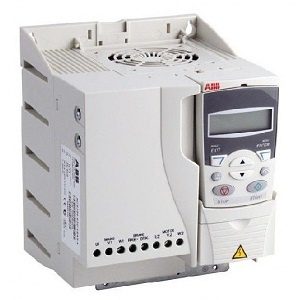
    AC Adjustable Frequency Drives (AFDs), also known as Variable Frequency Drives (VFDs), regulate motor speed and torque by varying input frequency and voltage. Ideal for pumps, fans, conveyors, and compressors, AFDs enhance energy efficiency, reduce mechanical stress, and improve process control. Modern drives feature microprocessor-based control, advanced diagnostics, and communication interfaces for seamless integration with automation systems. They support precise…
  • Butterfly Valve

    Butterfly Valve (236)

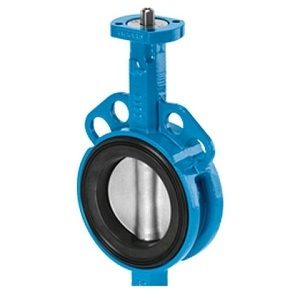
    Dwyer and Festo butterfly valves offer reliable shut-off and flow control for industrial process systems. Dwyer’s SAE and WE20 series feature compact designs, bubble-tight sealing, and cartridge seat technology for hydraulic and fluid power applications. Festo’s KVZA series provides manual or pneumatic actuation, wafer or lug configurations, and compatibility with ANSI and DIN standards—ideal for water, steam, oil, and CO₂…
  • Circuit Breakers

    Circuit Breakers (2226)

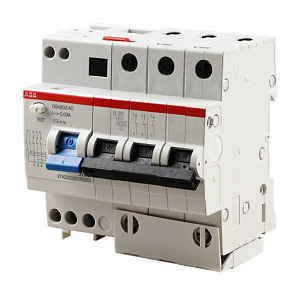
    ABB, Schneider, Siemens, LS, and Moeller offer advanced circuit breakers for industrial, commercial, and residential power systems. ABB provides molded case, miniature, and high-performance breakers with IEC/UL compliance. Schneider’s PowerPacT and MasterPacT series feature smart monitoring and remote control. Siemens delivers WL and 3WA breakers with electronic trip units and modular accessories. LS Electric offers compact MCBs and MCCBs with…
  • Contactors

    Contactors (567)

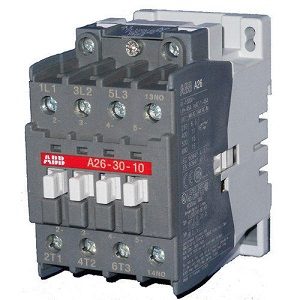
    ABB, Schneider, Siemens, Moeller, and CHINT contactors deliver reliable motor control and switching solutions for industrial automation. ABB’s AF series offers wide voltage range and energy efficiency. Schneider’s TeSys contactors feature modular designs and smart connectivity. Siemens SIRIUS contactors provide compact, high-performance control with integrated auxiliary options. Moeller (Eaton) contactors support IEC and UL standards with robust mechanical endurance. CHINT…
  • Counters

    Counters (78)

    Autonics, Omron, and Schneider counters offer precise counting and timing solutions for industrial automation. Autonics counters, including the CT and CX series, feature multi-channel inputs, LCD displays, and RS485 communication for flexible integration. Omron provides a wide range of digital, preset, and totalizing counters like the H7BX and H7CN series, known for high-speed input and large LCDs. Schneider counters, such…
  • Encoder

    Encoder (117)

    Autonics, Omron, Pepperl+Fuchs, Schneider, Sick, and Siemens encoders deliver precise position and speed feedback for industrial automation. Autonics offers compact incremental and absolute rotary encoders ideal for textile and packaging machinery. Omron encoders feature rugged designs and multi-turn functionality for high-speed, high-resolution control. Pepperl+Fuchs provides optical and magnetic encoders for harsh environments and hazardous areas. Schneider encoders integrate with Modicon…
  • Fanuc Main Board

    Fanuc Main Board (1376)

    The FANUC Main Board is a critical component in CNC and robotic control systems, serving as the central hub for data processing, communication, and system coordination. Models like the A20B-8201 series offer high-speed processing, reliable memory capacity, and robust connectivity via RS-232C and Ethernet interfaces. Engineered for demanding industrial environments, FANUC main boards ensure precise control, fault tolerance, and seamless…
  • Flow Transmitter (Flow meter)

    Flow Transmitter (Flow meter) (396)

    Discover everything you need to know about pressure flow transmitters (flow meters) and how they optimize industrial processes. Learn how differential pressure flow meters accurately measure fluid flow in pipelines using advanced sensing technology. This guide covers key applications, benefits, installation tips, and how to choose the right transmitter for your system. Whether you work in oil & gas, water…
  • HMI/Touch Screen

    HMI/Touch Screen (592)

    Human-Machine Interfaces (HMIs) and touch screen panels provide intuitive control and real-time visualization for industrial automation systems. These interfaces connect operators to machinery, enabling efficient monitoring, diagnostics, and process adjustments. Modern HMIs feature high-resolution displays, multi-touch capability, and support for protocols like Modbus, EtherCAT, and OPC UA. Available in ruggedized formats for harsh environments, HMIs integrate seamlessly with PLCs, SCADA…
  • Inverter

    Inverter (911)

    Inverters and Variable Frequency Drives (VFDs) are essential components in industrial automation, enabling precise motor speed and torque control. VFDs adjust the frequency and voltage of AC power to optimize motor performance, reduce energy consumption, and extend equipment life. Inverters convert DC to AC power, supporting applications in renewable energy, backup systems, and electric vehicles. Together, they enhance efficiency, flexibility,…
  • Network/Signal

    Network/Signal (4)

    Network and signal technologies in industrial automation enable seamless communication between control systems, sensors, actuators, and enterprise networks. Leveraging protocols like Ethernet/IP, Modbus TCP, and PROFINET, these systems ensure real-time data exchange, remote monitoring, and scalable integration. Signal converters, repeaters, and gateways support reliable transmission across diverse environments, while cybersecurity measures protect data integrity. Designed for Industry 4.0 and IIoT…
  • Others

    Others (4668)

    Industrial automation relies on a seamless integration of components to ensure efficiency, precision, and reliability. Other industrial automation parts play a critical role in complementing core systems by providing support and enabling optimized functionality. These parts encompass a broad spectrum of essential components, including relays, sensors, connectors, actuators, controllers, and more. Designed for diverse industrial environments, they cater to industries…
  • Power Supply

    Power Supply (218)

    Industrial automation power supplies deliver stable, efficient energy to control systems, machinery, and process equipment across manufacturing, robotics, and infrastructure sectors. Designed for DIN rail and panel mounting, these units offer wide input ranges, overload protection, and high MTBF ratings. Leading brands like Siemens, Phoenix Contact, Omron, ABB, and Delta provide models with advanced features such as predictive diagnostics, dynamic…
  • Pressure Transmitter

    Pressure Transmitter (143)

    Industrial automation pressure transmitters provide accurate, real-time pressure measurement for process control, fluid handling, and safety systems. These devices convert pressure into electrical signals for monitoring and control, supporting analog and digital outputs like IO-Link and HART. Designed for harsh environments, they offer high precision, fast response, and robust construction with stainless steel or ceramic sensors. Leading brands such as…
  • Programmable Logic Controller (PLC)

    Programmable Logic Controller (PLC) (6288)

    Programmable Logic Controllers (PLCs) are essential for industrial automation, providing precise control over machinery, processes, and systems. Designed for reliability and scalability, PLCs support digital and analog I/O, real-time processing, and communication protocols like Modbus, Ethernet/IP, and Profibus. Brands such as Siemens, Omron, Mitsubishi, and Allen-Bradley offer compact, modular, and rack-mounted options for diverse applications. PLCs enable flexible programming via…
  • Relay

    Relay (927)

    Industrial automation control relays are essential components for switching, protection, and signal control in automated systems. These relays manage electrical loads, interface with PLCs, and ensure safe operation of machinery and processes. Available in electromechanical and solid-state designs, they support functions like overload protection, motor control, and fault isolation. Leading brands such as Omron, Siemens, ABB, and Eaton offer DIN…
  • Sensor

    Sensor (2221)

    Temperature sensors provide accurate thermal monitoring and control across industrial, commercial, and HVAC applications. These sensors—available in thermocouple, RTD, and thermistor types—detect temperature changes and convert them into readable signals for PLCs, HMIs, and controllers. Designed for precision and durability, they support analog and digital outputs, fast response times, and wide operating ranges. Ideal for process automation, energy management, and…
  • Servo Motors & Motor Drives

    Servo Motors & Motor Drives (4363)

    Servo motors and motor drives deliver precise motion control for industrial automation, robotics, and CNC machinery. These systems enable accurate positioning, speed regulation, and torque management across multi-axis applications. With high dynamic response, compact design, and advanced feedback mechanisms, servo solutions support real-time control and seamless integration with PLCs, HMIs, and SCADA systems. Popular models offer compatibility with EtherCAT, CANopen,…
  • Switch

    Switch (897)

    Siemens, ABB, Fuji, Honeywell, Omron, Schneider, and Moeller switches offer robust solutions for industrial control, automation, and power distribution. These brands provide a range of switches—toggle, pushbutton, limit, and safety—engineered for reliability, precision, and harsh environments. Siemens and Schneider lead in digital integration and networked control, while ABB and Omron excel in motion and sensing. Fuji, Honeywell, and Moeller deliver…
  • Timer

    Timer (93)

    Timers for industrial automation control provide precise time-delay functions essential for sequencing, safety, and process optimization. Available in analog and digital formats, these devices support ON-delay, OFF-delay, interval, and cyclic operations across machinery, conveyors, and HVAC systems. With DIN rail mounting, LED indicators, and wide voltage compatibility, industrial timers integrate seamlessly into PLCs and control panels. Their robust design ensures…
  • Valve Controller & Manifolds

    Valve Controller & Manifolds (15)

    Valve controllers and manifolds are essential components in industrial automation, enabling precise fluid and air flow regulation across process systems. Valve controllers offer accurate actuation and feedback for pneumatic, hydraulic, and electric valves, while manifolds consolidate multiple valve functions into compact, efficient assemblies. These devices support high-speed switching, modular configurations, and integration with PLCs and fieldbus networks. Ideal for packaging,…
  • Variable Frequency Drives (VFD)

    Variable Frequency Drives (VFD) (258)

    Variable Frequency Drives (VFDs) are electronic controllers that regulate motor speed and torque by adjusting input frequency and voltage. Widely used in industrial automation, VFDs optimize energy consumption, enhance process control, and extend equipment life. They support both constant and variable torque applications such as conveyors, pumps, and fans. With advanced features like vector control, built-in PLC functions, and fieldbus…
  • Yokogawa Remote Indicators

    Yokogawa Remote Indicators (16)

    Yokogawa Remote Indicators provide accurate, real-time display of process variables from field instruments in hard-to-access locations. Designed for industrial environments, models like the YPP6800 and MLA series support loop-powered operation, 4–20 mA or pulse inputs, and explosionproof enclosures (IP68/NEMA 4X). These indicators enhance local visual awareness, improve safety, and support seamless integration with control systems. Ideal for chemical, oil &…

Get the Right Industrial Automation & Control Solution >>> Fast

Don’t let sourcing delays or system inefficiencies slow you down.

Facebook
Twitter
LinkedIn
Pinterest

Leave a Reply