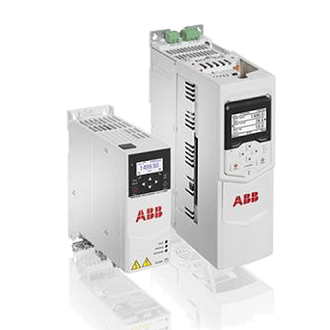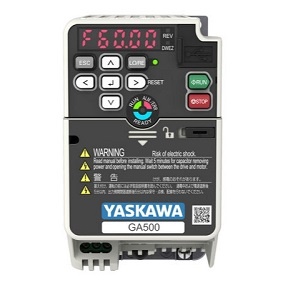
Understanding Variable Frequency Drives (VFDs)
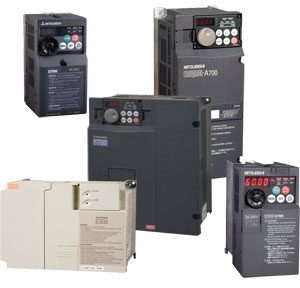
Understanding Variable Frequency Drives (VFDs): A Comprehensive Guide
What is a Variable Frequency Drive (VFD)?
Variable frequency drives (VFDs) are intelligent control devices that ensure efficient operation of electric motors, to use less energy and reduce operating costs. At the same time, they extend equipment lifetime, optimize processes, and reduce maintenance requirements.
Did you know a VFD can help you to save on your energy bill? The VFD can dramatically reduce energy consumption when compared to direct-on-line (DOL) operation, where the motor runs at full speed regardless of the demand. Using a drive, power or fuel savings of 40% are common. Sometimes the savings are as much as 80%. The roll-on effect means that use of drives also reduces NOx emissions and CO2 footprint of the systems in which they are installed.
When you understand what a VFD is and how to use it, you can get closer to reaching your climate targets, as well as winning competitive advantage. That’s why a VFD is a great asset and friend – not only to your motors, but your whole business.
Why should you use a variable speed drive?
Electric motors play a very important role in our everyday businesses and lives. They move and run basically everything we need for business or pleasure.
All these motors run on electricity. In order to do their work of providing torque and speed, they need the corresponding amount of electric energy. All these motors consume electricity to provide torque or speed needed. If that torque or speed is too high or too low, mechanical controls will be used to slow down shift or control output. The result is inefficiency, with lots of wasted materials and energy. Motor’s speed should match exactly what is required by the process. Without the better way to control the speed, a lot of energy gets wasted and that’s not good for anyone’s business.
When using a variable speed drive, either torque or speed is controlled and we speak of “torque control” or “speed control”. When the variable speed drive operates in torque control mode, the speed is determined by the load. Likewise, when operated in speed control, the torque is determined by the load.
Key benefits of VFDs:
VFDs for energy efficiency: VFDs intelligently control motor speed, significantly reducing energy consumption (often 40%+) compared to running motors unregulated, at full speed
Cost savings and fast return on investment (ROI): VFDs lower energy bills, reduce maintenance, and improve process control, with a typical ROI of 6-12 months
Versatile applications: VFDs and power converters optimize diverse applications, including fans, pumps, conveyors, cranes, marine propulsion, hydrogen electrolysis, and renewable energy systems
Beyond energy savings: VFDs offer benefits beyond energy savings, such as improved performance, enhanced process control, longer equipment life, and reduced emissions
Automation Pioneer expertise: Automation Pioneer specializes in VFDs to suit any motor type, offering a wide range of solutions, and global support for optimizing motor performance