
What Are Capacitive Level Sensors and How They Work
Understanding What Capacitive Level Sensors Are and How They Work in Industrial Automation & Process Control
What are the advantages of capacitive level sensors? and What materials can capacitive sensors detect?
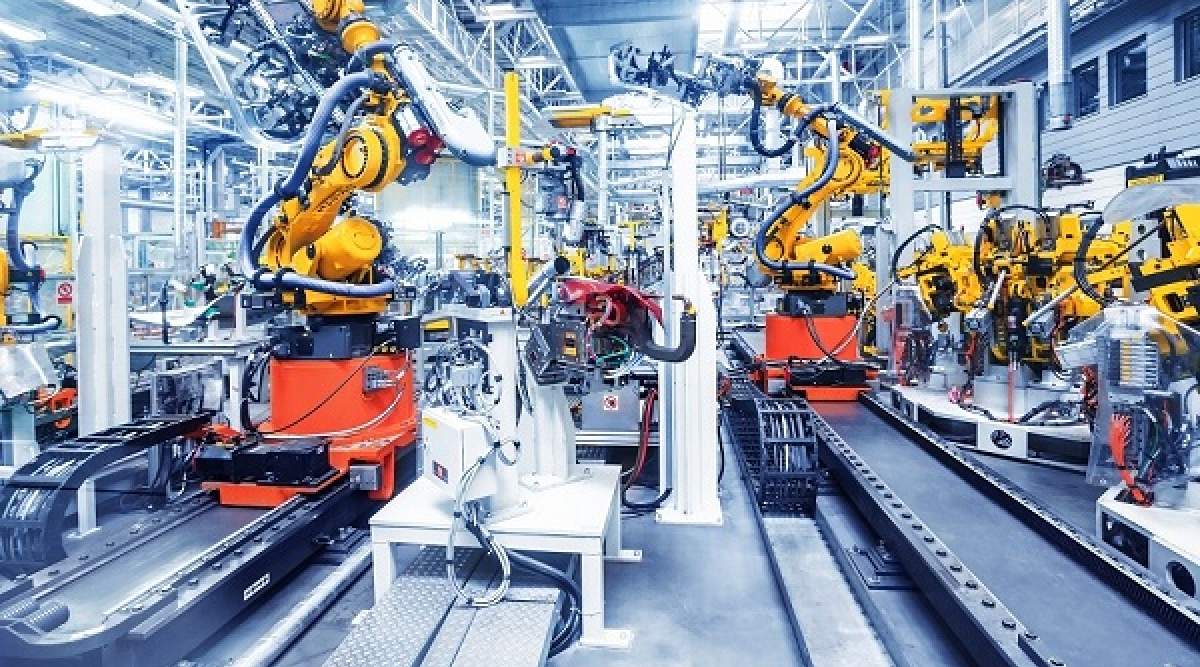
What Are Capacitive Level Sensors and How They Work
Level measurement plays a critical role in industrial automation. Whether a facility handles liquids, powders, slurries, or granular materials, operators need accurate level monitoring to maintain process efficiency, prevent overflows, and protect equipment. Among the many level measurement technologies available today, capacitive level sensors remain one of the most versatile and widely used solutions. Industries rely on these sensors because they can detect a broad range of materials, work in harsh environments, and provide reliable continuous or point-level measurement. From chemical processing plants to food manufacturing facilities, capacitive sensors help operators monitor tanks, silos, pipelines, and storage vessels with remarkable accuracy. In this guide, we’ll explore what capacitive level sensors are, how they work, their advantages, limitations, applications, and how to choose the right sensor for industrial use.
Understanding Capacitive Level Sensors
Capacitive level sensors are electronic devices designed to detect or measure the level of liquids, powders, solids, or granular materials using the principle of capacitance. These sensors operate by detecting changes in the electrical properties of materials surrounding the sensing probe. When the material level changes, the capacitance between the sensor probe and the reference point also changes. The sensor electronics then convert this capacitance change into a measurable output signal. Unlike mechanical float switches or moving-level devices, capacitive sensors contain few or no moving parts. As a result, they tend to offer longer operational life and lower maintenance requirements. Industries commonly use capacitive level sensors for:
-
Tank level monitoring
-
Point-level detection
-
Continuous level measurement
-
High and low-level alarms
-
Interface detection between liquids
Because they can detect both conductive and non-conductive materials, capacitive sensors work effectively in applications involving water, oils, chemicals, powders, grains, and even viscous materials.
The Basic Principle of Capacitance
To understand how capacitive level sensors work, it helps to first understand capacitance itself. Capacitance refers to the ability of a system to store an electrical charge. In its simplest form, a capacitor consists of two conductive plates separated by an insulating material called a dielectric. The amount of capacitance depends on three primary factors:
-
Distance between conductive surfaces
-
Surface area of the conductors
-
Dielectric constant of the material between them
In a capacitive level sensor, the probe acts as one conductive plate, while the tank wall or reference electrode acts as the second plate. When material enters the sensing area, it changes the dielectric constant around the probe. Consequently, the capacitance value changes. The sensor electronics continuously monitor these changes and determine the level of the material inside the tank or vessel.
How Capacitive Level Sensors Work
Capacitive level sensors detect changes in capacitance caused by the presence or absence of material near the sensing element. Although sensor designs vary, the operating principle generally follows the same sequence.
Sensing Probe Interaction
The sensing probe generates an electrostatic field around itself. When no material is present, the surrounding medium is typically air, which has a relatively low dielectric constant. However, when liquid or solid material comes into contact with the probe, the dielectric constant changes significantly. Since different materials have unique dielectric properties, the sensor detects this variation immediately. For example:
-
Air has a dielectric constant close to 1
-
Water has a dielectric constant around 80
-
Oils usually range between 2 and 5
Because of these differences, capacitive sensors can distinguish between materials very effectively.
Signal Conversion and Processing
Once the capacitance changes, the sensor electronics convert the electrical variation into a usable output signal. Depending on the application, the output may include:
-
Analog signals such as 4–20 mA
-
Digital switching outputs
-
Relay contacts
-
Network communication signals
Modern industrial sensors often integrate directly with PLCs, SCADA systems, and industrial automation networks.
To better understand industrial communication systems, see: https://www.automationpioneer.com/news/industrial-communication-protocols
Continuous Level Measurement vs Point Level Detection
Capacitive level sensors can operate in two primary modes.
Point-Level Detection
Point-level sensors detect whether material has reached a specific point inside a tank or vessel. Common uses include:
-
High-level alarms
-
Low-level alarms
-
Overflow protection
-
Pump control systems
Continuous Level Measurement
Continuous level sensors measure the entire level range inside a vessel. Instead of simply detecting presence or absence, these sensors provide real-time level measurements that operators can monitor continuously. Continuous measurement is particularly useful in:
-
Chemical processing tanks
-
Water treatment systems
-
Food processing operations
-
Fuel storage facilities
Main Types of Capacitive Level Sensors
Capacitive level sensors are available in several configurations depending on the application requirements.
Contact Capacitive Level Sensors
Contact sensors use probes that physically contact the material being measured. These sensors are commonly installed directly inside tanks, silos, or pipelines. Advantages include:
-
High measurement sensitivity
-
Reliable operation in harsh environments
-
Accurate detection of liquids and solids
However, because the probe contacts the material directly, coating buildup may affect sensor performance in some applications.
Non-Contact Capacitive Sensors
Non-contact sensors detect material levels without direct physical contact. These sensors are often mounted externally on non-metallic tanks or containers. Benefits include:
-
Reduced contamination risk
-
Minimal maintenance requirements
-
Suitable for corrosive materials
Non-contact designs are increasingly popular in pharmaceutical and food processing industries where hygiene is critical.
Rod Probe Sensors
Rod-style probes are widely used for liquid level measurement in tanks and vessels. These probes are durable and suitable for a broad range of industrial applications. Industries commonly use rod probes for:
-
Water tanks
-
Chemical storage systems
-
Oil reservoirs
Cable Probe Sensors
Cable probes are designed for tall tanks or silos containing powders or bulk solids. The flexible cable design allows measurement in deep vessels where rigid probes would be impractical. Applications include:
-
Grain silos
-
Cement storage systems
-
Plastic pellet storage tanks
Advantages of Capacitive Level Sensors
Capacitive level sensors offer several important advantages that make them attractive for industrial applications.
Versatility Across Materials
One of the biggest strengths of capacitive sensors is their ability to detect a wide variety of materials. These include:
-
Conductive liquids
-
Non-conductive liquids
-
Powders
-
Granular materials
-
Viscous substances
As a result, industries can often use the same sensing technology across multiple production processes.
No Moving Parts
Unlike float switches or mechanical level devices, capacitive sensors contain few moving components. This design reduces:
-
Mechanical wear
-
Maintenance requirements
-
Equipment failure risk
Consequently, capacitive sensors often provide long operational service life.
Compact Design
Capacitive sensors are generally compact and easy to install. Many models fit into tight industrial spaces where larger measurement devices would be difficult to mount.
Fast Response Time
Because the sensor responds electronically rather than mechanically, capacitive sensors provide rapid level detection. Fast response times are particularly important in automated filling systems and high-speed manufacturing operations.
Limitations of Capacitive Level Sensors
Although capacitive level sensors offer many advantages, they also have limitations that engineers should consider during system design.
Sensitivity to Material Properties
Capacitive measurement depends heavily on the dielectric constant of the material. If the dielectric properties vary significantly during operation, measurement accuracy may decrease. For example, changes in:
-
Moisture content
-
Material composition
-
Temperature
can affect sensor performance.
Probe Coating Issues
Certain materials may accumulate on the sensor probe over time. This buildup can create false capacitance readings and reduce measurement accuracy. Industries handling sticky or viscous materials often require sensors with coating compensation features.
Calibration Requirements
Some capacitive sensors require careful calibration for specific materials and operating conditions. Improper calibration can result in inaccurate readings or unstable sensor performance.
Industrial Applications of Capacitive Level Sensors
Capacitive level sensors are widely used across many industrial sectors because of their versatility and reliability.
Water and Wastewater Treatment
Water treatment facilities use capacitive sensors for:
-
Tank level monitoring
-
Pump control
-
Overflow prevention
-
Chemical dosing systems
These sensors help maintain stable process control and efficient fluid handling.
Chemical Processing Industry
Chemical plants often handle aggressive or corrosive liquids that require reliable non-mechanical level measurement systems. Capacitive sensors are commonly used for:
-
Acid storage tanks
-
Solvent monitoring
-
Reactor vessel measurement
Food and Beverage Industry
Food manufacturers use capacitive sensors because they can detect both liquid and dry ingredients reliably. Applications include:
-
Milk storage tanks
-
Grain silos
-
Powder ingredient handling
-
Beverage filling systems
Oil and Fuel Storage
Fuel terminals and oil storage facilities use capacitive sensors for continuous monitoring of tank levels. These systems help operators prevent overfills and maintain inventory accuracy.
Capacitive Sensors vs Other Level Measurement Technologies
Choosing the right level sensor often requires comparing multiple technologies.
Capacitive vs Ultrasonic Sensors
Ultrasonic sensors use sound waves to measure level without contact. While ultrasonic devices work well in many applications, vapor, foam, or dust can interfere with performance. Capacitive sensors often perform better in environments where airborne contamination is present.
Capacitive vs Float Switches
Float switches rely on mechanical movement to detect liquid levels. Although simple and inexpensive, float switches can wear out over time due to moving parts. Capacitive sensors generally provide longer operational life and faster response times.
Capacitive vs Radar Level Sensors
Radar sensors provide highly accurate non-contact measurement but are typically more expensive. Capacitive sensors often offer a more cost-effective solution for standard industrial applications.
How to Choose the Right Capacitive Level Sensor
Selecting the correct capacitive sensor depends on several important factors.
Material Characteristics
Engineers should evaluate:
-
Dielectric constant
-
Conductivity
-
Viscosity
-
Moisture content
These characteristics influence sensor sensitivity and calibration requirements.
Tank Design and Installation
Tank geometry affects sensor selection and mounting configuration. Factors include:
-
Tank height
-
Material composition
-
Internal obstructions
-
Pressure and temperature conditions
Environmental Conditions
Industrial environments may expose sensors to:
-
High temperatures
-
Corrosive chemicals
-
Dust accumulation
-
Moisture and humidity
Therefore, selecting the proper sensor housing and probe material is critical.
- Industrial Automation Fundamentals
- Industrial Communication Protocols
- Industrial Instrumentation Control
- Industrial Sensors & Measurement
- Motion and Process Control
- PLC Programming & Controllers
- SCADA and DCS Systems
- Servo Motors and Motor Drives
Frequently Asked Questions (FAQ)
What is a capacitive level sensor?
A capacitive level sensor is an electronic device that measures or detects material levels by monitoring changes in capacitance caused by the presence of liquids, powders, or solids near the sensor probe.
How do capacitive level sensors work?
Capacitive sensors generate an electrostatic field around a sensing probe. When material enters the sensing area, the dielectric constant changes, causing the capacitance value to change. The sensor electronics then convert this variation into an output signal.
What materials can capacitive sensors detect?
Capacitive sensors can detect:
-
Water
-
Oils
-
Chemicals
-
Powders
-
Grains
-
Plastic pellets
-
Slurries
They work with both conductive and non-conductive materials.
What are the advantages of capacitive level sensors?
Key advantages include:
-
No moving parts
-
Fast response time
-
Compact design
-
Ability to detect multiple material types
-
Low maintenance requirements
Where are capacitive level sensors commonly used?
Industries commonly using capacitive level sensors include:
-
Water treatment
-
Chemical processing
-
Food and beverage manufacturing
-
Oil and gas storage
-
Pharmaceutical production
What is the difference between capacitive and ultrasonic level sensors?
Capacitive sensors detect changes in electrical capacitance, while ultrasonic sensors use sound waves to measure distance. Capacitive sensors often perform better in dusty or vapor-filled environments where ultrasonic signals may become unreliable.
Your One-Stop Source for Reliable Automation & Process Control Equipment
Access trusted process control equipment, expert support, and fast sourcing—all in one place.
-
AC Drives 18,165 Products
-
Butterfly Valve236 Products
-
Circuit Breakers2,226 Products
-
Contactors567 Products
-
Counters78 Products
-
Encoder117 Products
-
Fanuc Main Board1,376 Products
-
Flow Transmitter (Flow meter)552 Products
-
HMI/Touch Screen592 Products
-
Industrial Device Servers125 Products
-
Inverter911 Products
-
Network/Signal2 Products
-
Others4,504 Products
-
Power Supply218 Products
-
Pressure Transmitter146 Products
-
Programmable Logic Controller (PLC)6,290 Products
-
Relay927 Products
-
Sensor2,221 Products
-
Servo Motors & Motor Drives4,575 Products
-
Switch897 Products
-
Timer93 Products
-
Uncategorized1,141 Products
-
Valve Controller & Manifolds15 Products
-
Variable Frequency Drives (VFD)257 Products
-
Yokogawa Remote Indicators16 Products