
What Are Vibrating Fork Level Sensors
Understanding What Are Vibrating Fork Level Sensors and How They Work in Industrial Automation & Process Control
What is a vibrating fork level sensor?, How does a vibrating fork level sensor work? and Can vibrating fork sensors detect solids?
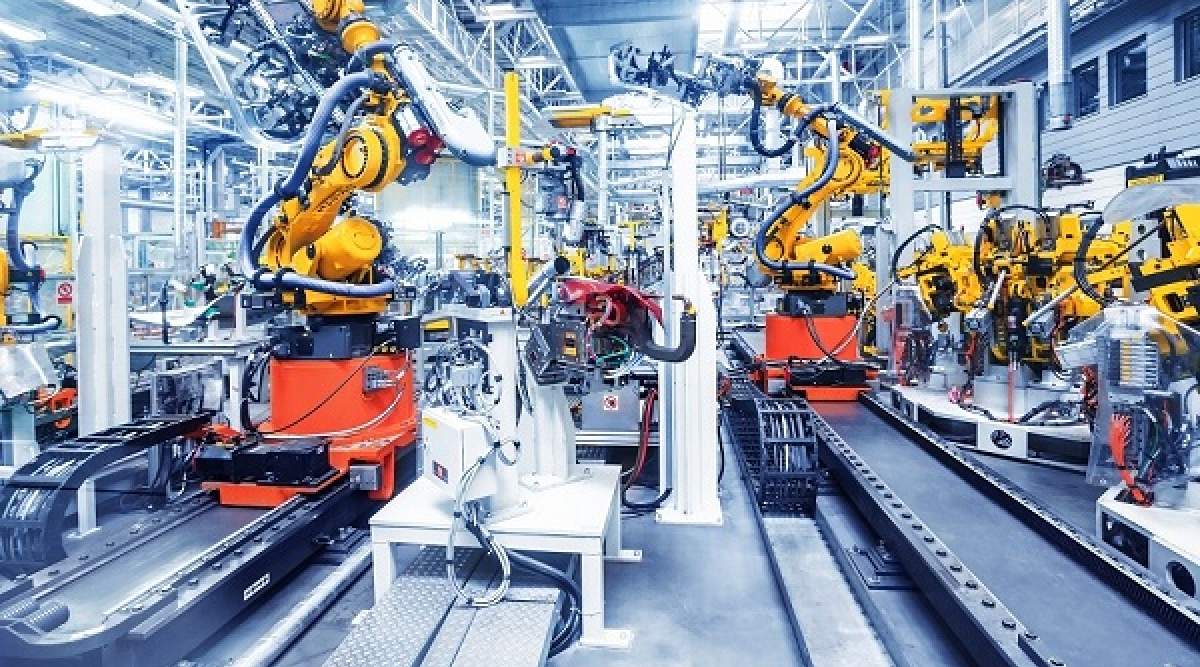
What Are Vibrating Fork Level Sensors and How They Work
Industrial level measurement remains one of the most critical functions in process automation. Whether operators are monitoring liquids in a chemical tank, powders inside a silo, or slurry in a wastewater system, accurate level detection directly affects safety, production efficiency, and equipment reliability. Among the many technologies used for point level detection, vibrating fork level sensors have become one of the most dependable and widely adopted solutions across industries. Their simplicity, durability, and ability to work in harsh environments make them especially valuable in modern industrial automation systems.
What Are Vibrating Fork Level Sensors and How They Work
Industrial processes depend heavily on accurate level measurement. In manufacturing plants, chemical facilities, food processing operations, and water treatment systems, operators must know whether tanks, vessels, and silos are full, empty, or somewhere in between. Even a small level measurement error can result in production downtime, equipment damage, product waste, or serious safety risks. Because of this, industries use a wide range of level measurement technologies to monitor liquids, powders, slurries, and granular materials. Among the most reliable and widely used devices for point level detection is the vibrating fork level sensor. Vibrating fork level sensors are known for their reliability, simplicity, and ability to operate in difficult industrial environments. Unlike mechanical float switches that can wear out over time, vibrating fork sensors use electronic vibration principles to detect material presence with exceptional accuracy and minimal maintenance. These sensors are commonly used in:
Chemical processing plants
Oil and gas facilities
Water and wastewater treatment systems
Pharmaceutical manufacturing
Food and beverage production
Cement and mining industries
Bulk solids handling systems
In this guide, we’ll explore what vibrating fork level sensors are, how they work, their key components, advantages, limitations, applications, installation considerations, and how they compare with other level measurement technologies.
Understanding Vibrating Fork Level Sensors
A vibrating fork level sensor is a point level detection device designed to identify the presence or absence of material at a specific level inside a tank, vessel, or pipe. The sensor uses a tuning fork-shaped probe that vibrates continuously at a specific resonant frequency. When the fork comes into contact with liquid or solid material, the vibration frequency changes. The electronics inside the sensor detect this change and trigger an output signal. In simple terms, the sensor determines whether material is touching the fork. This technology is often referred to as:
tuning fork level sensing
vibrating level switch technology
resonance level detection
fork vibration level measurement
Unlike continuous level transmitters that measure the exact level inside a vessel, vibrating fork sensors operate as point level switches. They typically indicate:
High level condition
Low level condition
Overflow protection
Empty tank detection
Because they contain very few moving parts, vibrating fork sensors offer excellent long-term reliability.
How Vibrating Fork Level Sensors Work
The operating principle behind vibrating fork sensors is relatively straightforward, yet highly effective. At the core of the device is a metallic fork that vibrates at its natural resonant frequency using piezoelectric crystals or electronic oscillators. Under normal conditions, the fork vibrates freely in air. However, when process material covers the fork, the material density dampens the vibration and changes the resonant frequency. The sensor electronics continuously monitor this frequency shift and determine whether the fork is immersed. The system then activates an electrical output signal that can trigger:
alarms
pumps
control valves
shutdown systems
PLC inputs
SCADA notifications
This operating method makes vibrating fork sensors highly dependable for industrial automation systems.
The Role of Piezoelectric Technology
Most modern vibrating fork sensors use piezoelectric elements to generate and detect vibration. One piezoelectric crystal drives the fork vibration while another monitors the vibration response. When material contacts the fork:
vibration amplitude decreases
resonant frequency shifts
damping increases
The sensor electronics interpret these changes and switch the output state. This electronic design eliminates many of the mechanical wear issues associated with older float-based technologies.
Resonance Frequency and Material Detection
Every vibrating fork sensor operates at a carefully calibrated resonant frequency. The resonant frequency changes depending on whether the fork is surrounded by:
air
liquid
powder
slurry
granular solids
Because different materials affect vibration differently, manufacturers design sensors to accommodate various process conditions. Some advanced vibrating fork sensors can even compensate for:
viscosity variations
turbulence
foam presence
product buildup
This makes them highly versatile across many industries.
Main Components of a Vibrating Fork Level Sensor
Although designs vary between manufacturers, most vibrating fork level sensors include several key components.
Vibrating Fork Probe
The vibrating fork is the sensing element itself. Manufacturers typically construct the fork from stainless steel or corrosion-resistant alloys to withstand harsh industrial environments. The fork extends into the vessel and continuously vibrates during operation.
Piezoelectric Crystals
Piezoelectric crystals generate and monitor fork vibration. These components convert electrical energy into mechanical vibration and vice versa. They are essential for maintaining stable oscillation and detecting frequency changes.
Sensor Electronics
The electronics module processes vibration data and determines whether material is present. The electronics also control:
switching outputs
alarm conditions
diagnostics
communication signals
Modern sensors often include digital communication protocols for integration with automation systems.
Process Connection
The process connection secures the sensor to the tank or pipeline. Common connection types include:
threaded connections
flanged connections
sanitary fittings
tri-clamp fittings
The connection type depends on the process application.
Types of Vibrating Fork Level Sensors
Industries use different vibrating fork sensor designs depending on the process material and operating environment.
Vibrating Fork Sensors for Liquids
These sensors are optimized for liquid level detection. They are commonly used in:
water tanks
chemical vessels
fuel storage systems
food processing equipment
Liquid applications generally provide stable and predictable vibration damping characteristics.
Common Liquid Applications
Typical liquid monitoring applications include:
high-level alarms
low-level pump protection
overflow prevention
dry-run protection for pumps
Chemical plants often rely on vibrating fork switches to prevent tank overfilling.
Vibrating Fork Sensors for Solids
Some vibrating fork sensors are specifically designed for powders and bulk solids. These applications require stronger forks and specialized vibration tuning. Industries using solid-level vibrating forks include:
cement manufacturing
grain storage
plastics processing
mining operations
feed mills
Bulk solid applications often involve dust, vibration, and abrasive materials, making robust sensor construction essential.
Compact Vibrating Fork Sensors
Compact models are designed for smaller vessels and confined spaces. They are commonly installed in:
skid systems
compact machinery
OEM equipment
pharmaceutical systems
These sensors provide reliable operation where installation space is limited.
Advantages of Vibrating Fork Level Sensors
Vibrating fork technology offers several major advantages compared with other point level measurement devices.
High Reliability
One of the biggest strengths of vibrating fork sensors is reliability. Since the technology contains very few moving mechanical parts, wear and mechanical failure are minimal. This significantly reduces maintenance requirements.
Minimal Calibration Requirements
Most vibrating fork sensors require little or no calibration after installation. This simplifies commissioning and reduces setup time.
Excellent Chemical Compatibility
Manufacturers offer sensors in corrosion-resistant materials suitable for aggressive chemicals and harsh process environments. This makes them ideal for chemical processing plants.
Ability to Handle Challenging Process Conditions
Vibrating fork sensors perform well in:
turbulence
foam
bubbles
vibration
changing temperatures
Unlike some technologies, they are less affected by process condition fluctuations.
Suitable for Hygienic Applications
Food, beverage, and pharmaceutical industries often use sanitary vibrating fork sensors because they support hygienic process requirements. Polished stainless-steel surfaces help prevent contamination and product buildup.
Limitations of Vibrating Fork Level Sensors
Despite their advantages, vibrating fork sensors are not suitable for every application. Understanding their limitations helps engineers select the right technology.
Point Level Detection Only
Vibrating fork sensors detect material presence at a specific point. They do not provide continuous level measurement across the entire tank. For continuous monitoring, industries typically use technologies such as:
radar level transmitters
ultrasonic level sensors
differential pressure transmitters
Material Density Requirements
Very low-density materials may not dampen the fork vibration sufficiently for reliable detection. Engineers must verify minimum density specifications before installation.
Product Buildup Concerns
Although many sensors resist buildup, sticky materials can occasionally accumulate on the fork. Severe buildup may affect sensor performance. Regular inspection is important in difficult applications.
Applications of Vibrating Fork Level Sensors
Vibrating fork sensors are used across a wide range of industrial sectors.
Chemical Processing Plants
Chemical facilities often handle corrosive liquids and hazardous materials. Vibrating fork sensors provide reliable level detection for:
acids
solvents
chemical storage tanks
reactors
Their robust construction makes them suitable for demanding environments.
Water and Wastewater Treatment
Water treatment systems use vibrating fork sensors for:
pump protection
tank level alarms
overflow prevention
sludge handling systems
Because they operate reliably in wet environments, they are widely used in municipal facilities.
Food and Beverage Industry
Food processing facilities rely on hygienic level sensors for product safety.
Applications include:
dairy processing
beverage tanks
brewing systems
edible oil storage
Sanitary process fittings allow easy cleaning and compliance with food safety standards.
Oil and Gas Industry
Oil storage tanks and fuel systems frequently use vibrating fork switches for:
overfill protection
leak prevention
safety shutdown systems
Their reliability makes them valuable in hazardous industrial environments.
Mining and Cement Industries
Bulk solids handling systems often experience heavy dust and abrasive materials. Heavy-duty vibrating fork sensors provide dependable level monitoring in:
silos
hoppers
crushers
storage bins
Vibrating Fork Sensors vs Other Level Measurement Technologies
Selecting the correct level sensor depends heavily on the application. Here’s how vibrating fork technology compares with other common level measurement methods.
Vibrating Fork vs Float Switches
Float switches use buoyancy to detect liquid level. While float switches are inexpensive, they contain moving mechanical parts that can wear out over time. Vibrating fork sensors generally provide:
better reliability
less maintenance
greater resistance to turbulence
Vibrating Fork vs Capacitive Sensors
Capacitive level sensors detect changes in capacitance caused by material presence. Although capacitive sensors work well in many applications, they can be affected by coating buildup and material property changes. Vibrating fork sensors tend to offer more stable performance.
Vibrating Fork vs Ultrasonic Sensors
Ultrasonic sensors provide continuous level measurement using sound waves. However, foam, vapor, and turbulence can interfere with ultrasonic signals. Vibrating fork sensors are often more reliable for simple point-level detection.
Installation Best Practices
Proper installation is essential for reliable sensor performance.
Correct Mounting Position
Install the sensor where material can freely contact the fork. Avoid mounting locations with excessive buildup or stagnant flow.
Consider Process Conditions
Engineers should evaluate:
pressure
temperature
chemical compatibility
vibration exposure
before selecting the sensor.
Electrical Integration
Most vibrating fork sensors integrate easily with:
PLC systems
SCADA systems
distributed control systems (DCS)
alarm circuits
Proper wiring and grounding help ensure stable operation.
Maintenance and Troubleshooting
Although vibrating fork sensors require minimal maintenance, routine inspection remains important.
Common Maintenance Tasks
Maintenance may include:
cleaning the fork surface
checking electrical connections
inspecting for corrosion
verifying switching performance
Common Troubleshooting Issues
Potential problems include:
excessive product buildup
incorrect installation angle
damaged wiring
incompatible process conditions
Most modern sensors include built-in diagnostics that simplify troubleshooting.
Recommended Related Articles
Frequently Asked Questions (FAQ)
What is a vibrating fork level sensor?
A vibrating fork level sensor is a point level detection device that uses a vibrating tuning fork probe to detect the presence or absence of material inside a vessel or tank.
How does a vibrating fork level sensor work?
The sensor continuously vibrates at a specific resonant frequency. When material contacts the fork, the vibration changes. The electronics detect this change and trigger an output signal.
What industries use vibrating fork level sensors?
Industries using vibrating fork sensors include chemical processing, food and beverage manufacturing, water treatment, oil and gas, mining, pharmaceuticals, and cement production.
Can vibrating fork sensors detect solids?
Yes. Specialized vibrating fork sensors can detect powders, granular materials, and bulk solids in silos and hoppers.
What are the advantages of vibrating fork level sensors?
Major advantages include:
high reliability
minimal maintenance
resistance to turbulence and foam
excellent chemical compatibility
easy integration with automation systems
Are vibrating fork sensors suitable for continuous level measurement?
No. Vibrating fork sensors are primarily point level switches. They detect whether material is present at a specific level rather than measuring the full tank level continuously.
Do vibrating fork sensors require calibration?
Most modern vibrating fork sensors require little or no calibration after installation, making them relatively simple to commission and maintain.
Your One-Stop Source for Reliable Automation & Process Control Equipment
Access trusted process control equipment, expert support, and fast sourcing—all in one place.
-
AC Drives 18,165 Products
-
Butterfly Valve236 Products
-
Circuit Breakers2,226 Products
-
Contactors567 Products
-
Counters78 Products
-
Encoder117 Products
-
Fanuc Main Board1,376 Products
-
Flow Transmitter (Flow meter)552 Products
-
HMI/Touch Screen592 Products
-
Industrial Device Servers125 Products
-
Inverter911 Products
-
Network/Signal2 Products
-
Others4,502 Products
-
Power Supply218 Products
-
Pressure Transmitter146 Products
-
Programmable Logic Controller (PLC)6,290 Products
-
Relay927 Products
-
Sensor2,221 Products
-
Servo Motors & Motor Drives4,639 Products
-
Switch897 Products
-
Timer93 Products
-
Uncategorized1,141 Products
-
Valve Controller & Manifolds17 Products
-
Variable Frequency Drives (VFD)257 Products
-
Yokogawa Remote Indicators16 Products