
What Is Thermal Mass Flow Meters
Understanding What Thermal Mass Flow Meters Are and How Does It Works in Factory Automation Control
What is a thermal mass flow meter used for? And what are the advantages of thermal mass flow meters?
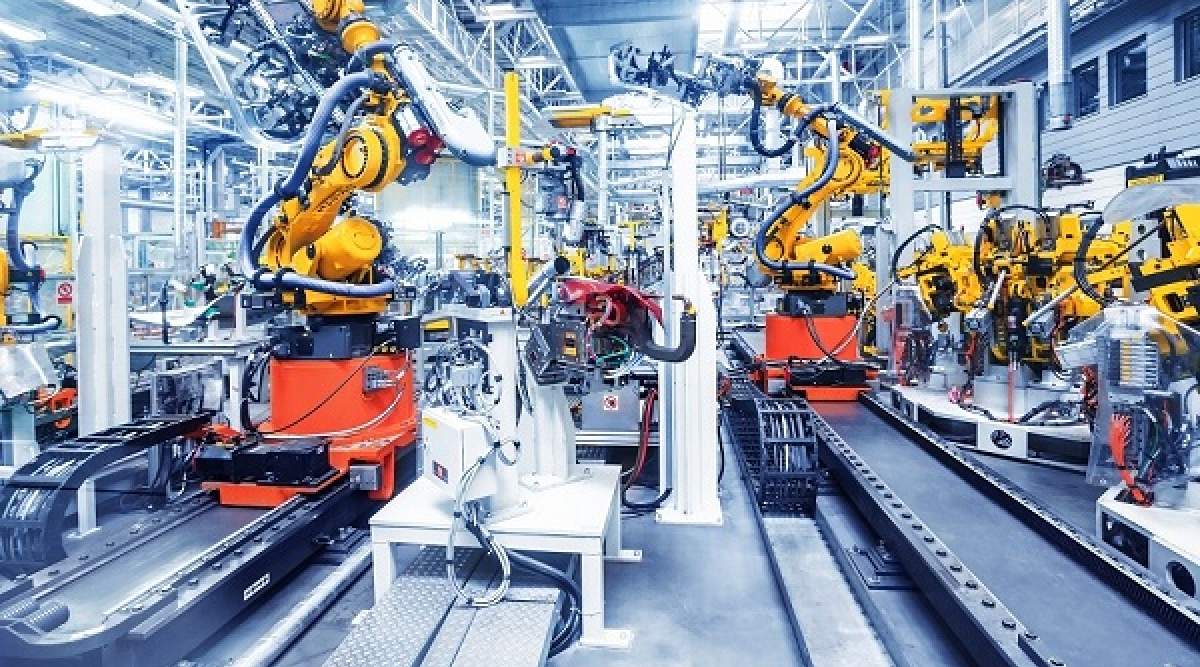
What Is Thermal Mass Flow Meters and How Does It Works?
Flow measurement plays a critical role in modern industrial automation and process control. Whether a facility operates a compressed air system, natural gas distribution network, chemical processing plant, or wastewater treatment facility, accurate flow measurement directly impacts efficiency, product quality, and operating costs. Among the many flow technologies available today, thermal mass flow meters stand out because they measure gas mass flow directly without requiring additional temperature or pressure compensation. This capability makes them highly valuable in industries where accurate gas flow monitoring is essential. Thermal mass flow meters are widely used for measuring compressed air, natural gas, biogas, nitrogen, oxygen, hydrogen, flare gas, and many other industrial gases. Unlike conventional volumetric flow meters, these instruments measure the actual mass flow of gas using the principle of heat transfer. In this guide, we’ll explain what thermal mass flow meters are, how they work, their key components, advantages, limitations, applications, and how they compare with other flow measurement technologies.
Understanding Thermal Mass Flow Meters
A thermal mass flow meter is a flow measurement instrument designed primarily for measuring the mass flow rate of gases. Instead of calculating mass flow indirectly from volumetric measurements, the instrument measures mass flow directly using thermal dispersion principles. This direct measurement capability provides a major advantage because gas density changes with pressure and temperature. Traditional volumetric flow meters often require external compensation devices to correct these variations. Thermal mass flow meters eliminate much of that complexity. The technology works by introducing heat into the gas stream and measuring how quickly the flowing gas removes that heat. As gas flow increases, more heat dissipates from the heated sensor. The instrument then converts this thermal response into a mass flow measurement. Because thermal mass flow meters contain no moving parts, they offer excellent reliability, low maintenance requirements, and high sensitivity at low flow rates.
How Thermal Mass Flow Meters Work
The working principle of a thermal mass flow meter is based on convective heat transfer. The amount of heat absorbed by a flowing gas is directly proportional to the gas mass flow rate. In simple terms, the faster the gas flows, the more heat it carries away from the sensor. Most thermal mass flow meters contain two temperature sensors:
A heated sensor
A reference temperature sensor
The heated sensor continuously adds heat to the gas stream, while the reference sensor measures the actual gas temperature. As gas flows across the heated element, it cools the sensor by carrying heat away. The instrument measures this cooling effect and calculates the gas mass flow rate accordingly.
Constant Temperature Method
Many modern thermal mass flow meters use the constant temperature differential method. In this design:
One sensor remains heated above the gas temperature
Electronics maintain a constant temperature difference between the heated and reference sensors
As gas flow increases, more electrical power is required to maintain the temperature differential
The required power becomes proportional to the gas mass flow rate
This method provides highly stable and accurate measurements over a wide operating range.
Constant Power Method
Some thermal flow meters use a constant power or constant current method instead. Here, the system supplies a fixed amount of heat to the sensor. As gas flow changes, the temperature difference between the sensors changes accordingly. The instrument then calculates flow based on the measured temperature variation. Although this design is simpler, the constant temperature method generally provides better industrial performance.
Heat Transfer Principle
The science behind thermal mass flow measurement revolves around heat transfer. When gas molecules pass over a heated sensor:
They absorb thermal energy
Heat transfers from the sensor into the gas stream
Faster gas flow removes heat more rapidly
The relationship between heat dissipation and gas mass flow allows the instrument to calculate the actual mass flow rate accurately. Because the measurement depends on thermal properties, these meters work particularly well with clean gases.
Main Components of a Thermal Mass Flow Meter
Thermal mass flow meters rely on several integrated components that work together to deliver accurate measurements.
Flow Body or Probe Assembly
The flow body forms the primary path through which gas flows. Depending on the application, the meter may use:
Inline flow bodies
Insertion probes
Capillary bypass tubes
Insertion-style thermal mass flow meters are commonly used for large pipes and ducts because they allow installation without replacing existing piping systems.
Temperature Sensors
Temperature sensors are the heart of the measurement system. Most thermal flow meters use:
Resistance Temperature Detectors (RTDs)
Thermistors
Thin-film sensors
One sensor measures the actual gas temperature, while the other remains heated above the process temperature.
Heating Element
The heating element supplies controlled thermal energy to the flowing gas stream. As gas velocity changes, the cooling effect on the heated sensor changes as well. The instrument electronics continuously monitor this relationship.
Electronic Transmitter
The electronic transmitter processes sensor signals and converts them into usable flow measurements. Typical outputs include:
4–20 mA analog signals
Pulse outputs
Modbus communication
HART protocol communication
Modern transmitters often include onboard diagnostics, data logging, and digital communication features.
Types of Thermal Mass Flow Meters
Thermal mass flow meters come in several different configurations depending on the application requirements.
Inline Thermal Mass Flow Meters
Inline meters are installed directly into the process piping. These meters provide excellent accuracy because all process gas passes through the measuring section. Inline designs are commonly used in:
laboratory gas systems
semiconductor manufacturing
low-flow gas applications
Insertion Thermal Mass Flow Meters
Insertion thermal mass flow meters use a probe inserted into larger pipes or ducts. These designs work particularly well for:
compressed air monitoring
flare gas systems
HVAC airflow measurement
large industrial gas pipelines
Because insertion meters require minimal piping modifications, they offer lower installation costs for large-diameter systems.
Capillary Tube Thermal Flow Meters
Capillary tube designs divert a small portion of the process gas through a heated sensor tube. These meters are widely used in:
mass flow controllers
precision laboratory systems
analytical gas measurement applications
They provide extremely high sensitivity at low flow rates.
Advantages of Thermal Mass Flow Meters
Thermal mass flow meters offer several significant advantages over traditional flow technologies.
Direct Mass Flow Measurement
One of the biggest advantages is direct mass flow measurement. Unlike differential pressure or turbine meters, thermal mass flow meters do not require separate pressure or temperature compensation for most gas applications. This simplifies installation and improves overall system accuracy.
Excellent Low-Flow Sensitivity
Thermal mass flow meters perform exceptionally well at very low gas flow rates. This makes them ideal for:
leak detection
purge gas monitoring
pilot gas measurement
low-flow laboratory applications
No Moving Parts
Since thermal mass flow meters contain no mechanical moving components, they experience minimal wear. As a result, they provide:
low maintenance requirements
long operational life
improved reliability
Wide Turndown Ratio
Many thermal mass flow meters support very wide turndown ratios, allowing them to measure both low and high flow conditions accurately. This flexibility makes them useful in variable-flow industrial systems.
Low Pressure Drop
Unlike some differential pressure flow meters, thermal mass flow meters create minimal pressure loss within the system. This characteristic improves energy efficiency, particularly in compressed air systems.
Limitations of Thermal Mass Flow Meters
Although thermal mass flow meters offer many advantages, they also have limitations.
Primarily Designed for Gases
Thermal mass flow meters work best with gases. While some specialized liquid applications exist, the technology is primarily optimized for gas flow measurement.
Sensitivity to Gas Composition
Changes in gas composition can affect calibration accuracy. For example:
Natural gas composition changes
mixed gas applications
varying humidity levels
These factors may influence thermal conductivity and measurement performance. Therefore, calibration should match the actual process gas whenever possible.
Contamination Can Affect Accuracy
Dirty or contaminated gases may coat the sensors over time. Sensor buildup can reduce heat transfer efficiency and impact accuracy. Applications involving heavy particulates, oil vapors, or condensates often require filtration or regular maintenance.
Applications of Thermal Mass Flow Meters
Thermal mass flow meters are widely used across many industries.
Compressed Air Monitoring
Compressed air systems represent one of the most common thermal mass flow applications. Facilities use these meters to:
monitor compressed air consumption
detect leaks
improve energy efficiency
allocate utility costs
Because compressed air costs can be substantial, accurate monitoring often delivers significant operational savings.
Natural Gas Measurement
Thermal mass flow meters are commonly used for:
burner control
fuel gas monitoring
boiler combustion control
flare gas systems
Their direct mass flow capability improves combustion efficiency and emissions control.
Wastewater Treatment Plants
Wastewater facilities frequently use thermal mass flow meters for:
aeration air monitoring
digester gas measurement
biogas monitoring
These applications often involve low-pressure gas systems where thermal technology performs particularly well.
Semiconductor Manufacturing
Semiconductor processes require extremely precise gas flow control. Thermal mass flow technology provides the accuracy and stability needed for specialty gas delivery systems.
Environmental Monitoring
Environmental applications include:
stack gas monitoring
emissions measurement
landfill gas monitoring
greenhouse gas measurement
Because these systems often involve low-pressure gas flows, thermal meters offer strong performance advantages.
Thermal Mass Flow Meter vs Other Flow Meter Technologies
Choosing the right flow meter depends on process conditions and measurement requirements.
Thermal vs Differential Pressure Flow Meters
Differential pressure flow meters measure volumetric flow indirectly by creating a pressure drop across a restriction. Thermal mass flow meters, however, measure gas mass flow directly without requiring pressure compensation. As a result, thermal meters often provide simpler installation and better low-flow sensitivity.
Thermal vs Coriolis Flow Meters
Coriolis meters provide highly accurate mass flow measurement for both liquids and gases. However:
Coriolis meters are typically more expensive
They can create higher pressure drop
Large gas line installations become costly
Thermal mass flow meters often provide a more economical solution for gas measurement applications.
Thermal vs Vortex Flow Meters
Vortex meters perform well for steam and liquid measurement, but usually require compensation for changing gas density. Thermal mass flow meters simplify gas applications by directly measuring mass flow.
Installation and Calibration Considerations
Proper installation remains critical for accurate thermal mass flow measurement. Key installation recommendations include:
Maintain adequate straight pipe runs
Avoid excessive turbulence
Protect sensors from contamination
Match the calibration gas to the process gas
Factory calibration plays an especially important role because thermal flow measurement depends on precise heat transfer characteristics. Many manufacturers calibrate thermal mass flow meters using the actual process gas to maximize accuracy.
- Industrial Automation Fundamentals
- Industrial Communication Protocols
- Industrial Instrumentation Control
- Industrial Sensors & Measurement
- Motion and Process Control
- PLC Programming & Controllers
- SCADA and DCS Systems
- Servo Motors and Motor Drives
Frequently Asked Questions (FAQ)
What is a thermal mass flow meter used for?
Thermal mass flow meters are primarily used to measure gas mass flow in applications such as compressed air systems, natural gas measurement, wastewater treatment, chemical processing, and environmental monitoring.
How does a thermal mass flow meter work?
A thermal mass flow meter works by heating a sensor and measuring how much heat the flowing gas removes. The cooling effect directly relates to the gas mass flow rate.
Can thermal mass flow meters measure liquids?
Most thermal mass flow meters are designed specifically for gases. Although some liquid applications exist, the technology performs best with clean gas flows.
What are the advantages of thermal mass flow meters?
Major advantages include:
direct mass flow measurement
no moving parts
low maintenance
excellent low-flow sensitivity
low pressure drop
Do thermal mass flow meters require pressure compensation?
In most gas applications, thermal mass flow meters do not require separate pressure or temperature compensation because they measure mass flow directly.
What industries commonly use thermal mass flow meters?
Industries using thermal mass flow meters include:
oil and gas
chemical processing
wastewater treatment
food and beverage
semiconductor manufacturing
HVAC systems
environmental monitoring
Your One-Stop Source for Reliable Automation & Process Control Equipment
Access trusted process control equipment, expert support, and fast sourcing—all in one place.
-
AC Drives 18,165 Products
-
Butterfly Valve236 Products
-
Circuit Breakers2,226 Products
-
Contactors567 Products
-
Counters78 Products
-
Encoder117 Products
-
Fanuc Main Board1,376 Products
-
Flow Transmitter (Flow meter)552 Products
-
HMI/Touch Screen592 Products
-
Industrial Device Servers58 Products
-
Inverter911 Products
-
Network/Signal2 Products
-
Others4,567 Products
-
Power Supply218 Products
-
Pressure Transmitter146 Products
-
Programmable Logic Controller (PLC)6,290 Products
-
Relay927 Products
-
Sensor2,221 Products
-
Servo Motors & Motor Drives4,554 Products
-
Switch897 Products
-
Timer93 Products
-
Uncategorized1,143 Products
-
Valve Controller & Manifolds15 Products
-
Variable Frequency Drives (VFD)257 Products
-
Yokogawa Remote Indicators16 Products