What is Ultrasonic Flow Meter and How Does It Work
Understanding What Is Ultrasonic Flow Meter And How It Works in Factory Automation Control
What is an ultrasonic flow meter? and What is the difference between transit-time and Doppler ultrasonic flow meters?
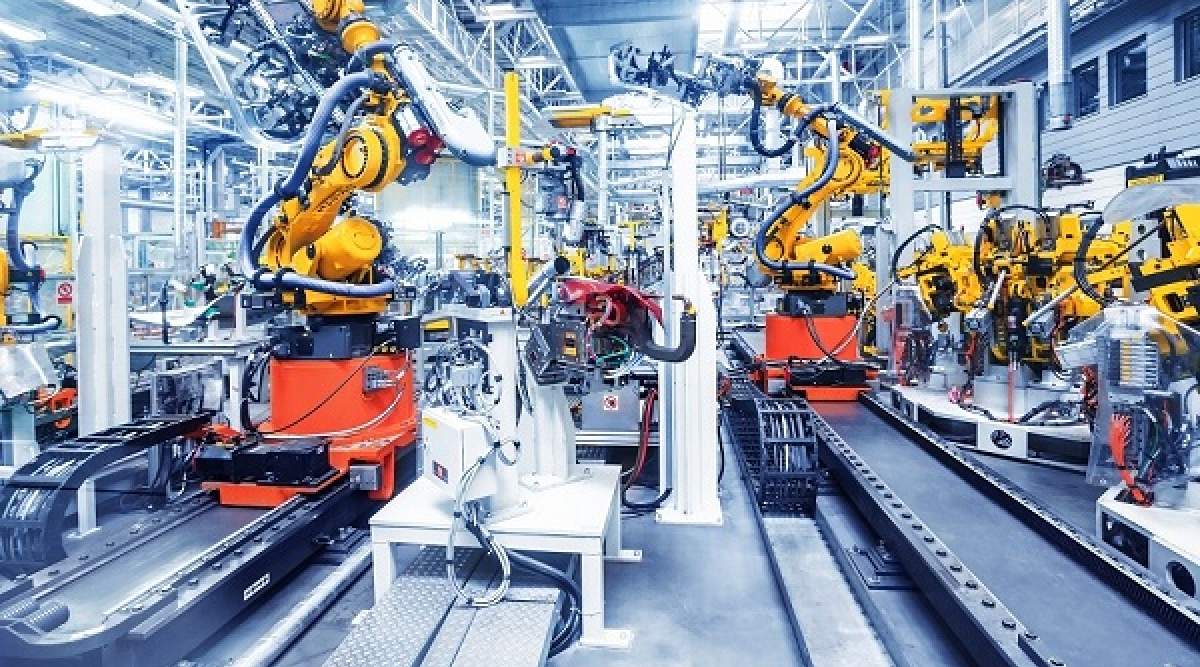
Ultrasonic Flow Meters Explained: Transit-Time vs Doppler Technology
Ultrasonic flow meters have become one of the most widely used flow measurement technologies in modern industrial automation. Their ability to measure flow without interrupting the process makes them especially valuable in industries where downtime, contamination, or pressure loss must be minimized. Unlike mechanical flow meters that rely on moving parts, ultrasonic flow meters use high-frequency sound waves to determine the velocity of a liquid flowing through a pipe. This non-intrusive measurement method offers several advantages, including reduced maintenance, improved reliability, and easier installation. Among ultrasonic flow meters, two primary technologies dominate industrial applications:
Transit-Time Ultrasonic Flow Meters
Doppler Ultrasonic Flow Meters
Although both technologies use ultrasonic signals, they operate on very different principles and are designed for different types of fluids and process conditions. Choosing the wrong technology can result in inaccurate measurements, unstable readings, and costly operational problems. In this guide, we’ll break down how ultrasonic flow meters work, explain the differences between transit-time and Doppler technology, and help you determine which solution is best suited for your application. Ultrasonic flow meters use sound waves to measure fluid velocity and are commonly available in clamp-on or inline configurations. Transit-time and Doppler technologies remain the two primary measurement methods used in industrial flow applications.
Understanding Ultrasonic Flow Meters
Ultrasonic flow meters measure fluid flow by transmitting ultrasonic sound waves through a liquid and analyzing how those sound waves behave as the liquid moves through the pipe. Unlike turbine or positive displacement flow meters, ultrasonic meters contain no moving mechanical parts inside the process stream. This design significantly reduces wear, pressure loss, and maintenance requirements. Ultrasonic flow meters are commonly available in several configurations:
Clamp-on flow meters
Inline flow meters
Insertion ultrasonic flow meters
Portable ultrasonic flow meters
Clamp-on ultrasonic meters are especially popular because they can be installed externally on the pipe without cutting into the process line.
How Ultrasonic Flow Measurement Works
At the core of ultrasonic flow measurement is the interaction between sound waves and fluid movement. Ultrasonic transducers mounted on the pipe generate high-frequency sound pulses that travel through the fluid. The flow meter analyzes how the movement of the liquid affects these sound waves. Depending on the measurement principle used, the meter calculates flow velocity based on:
Transit time differences
Frequency shifts caused by reflected signals
This is where the two primary technologies—transit-time and Doppler—differ significantly.
Why Ultrasonic Flow Meters Are Popular
Industrial facilities increasingly favor ultrasonic flow meters because they offer several operational advantages.
Non-Intrusive Installation
Clamp-on ultrasonic meters can be installed externally without stopping the process or cutting into piping systems.
No Moving Parts
The absence of moving components reduces mechanical wear and minimizes maintenance requirements.
Minimal Pressure Loss
Since there are no internal obstructions, ultrasonic meters do not create pressure drops within the system.
Versatility
Ultrasonic flow meters can measure a wide range of liquids, including:
Water
Chemicals
Oils
Wastewater
Slurries
Transit-Time Ultrasonic Flow Meters
Transit-time ultrasonic flow meters are the most commonly used type for clean liquid applications. This technology measures the difference in travel time between ultrasonic pulses moving with the flow and against the flow direction. The resulting time difference is directly proportional to the fluid velocity.
How Transit-Time Technology Works
Transit-time flow meters use two ultrasonic transducers positioned on opposite sides of the pipe. One ultrasonic pulse travels downstream with the flow, while another pulse travels upstream against the flow. Because the fluid is moving:
The downstream signal travels slightly faster
The upstream signal travels slightly slower
The meter calculates the time difference between these two signals and converts it into flow velocity. Although the difference in transit time may only be measured in nanoseconds, modern electronics can calculate highly accurate flow rates from these measurements.
Best Applications for Transit-Time Flow Meters
Transit-time technology performs best in clean liquids with minimal suspended solids or air bubbles. Typical applications include:
Potable water systems
Chilled water systems
HVAC systems
Condensate systems
Chemical processing
Clean oil applications
Pharmaceutical production
Because the ultrasonic signal must pass cleanly through the liquid, excessive solids or entrained gas can interfere with measurement accuracy. Transit-time flow meters are generally unsuitable for dirty or highly aerated fluids.
Advantages of Transit-Time Ultrasonic Flow Meters
High Accuracy
Transit-time meters are known for excellent accuracy in clean liquid applications.
Non-Invasive Installation
Clamp-on transit-time meters allow installation without shutting down the process.
Wide Pipe Size Capability
These meters can measure flow in both small and very large diameter pipes.
Low Maintenance
With no moving parts and minimal contact with the process fluid, maintenance requirements are low.
Limitations of Transit-Time Technology
Despite their advantages, transit-time meters have some limitations.
Sensitive to Dirty Fluids
Suspended solids and bubbles can scatter ultrasonic signals and reduce measurement accuracy.
Requires Full Pipes
Transit-time meters generally require pipes to remain completely full.
Flow Profile Sensitivity
Disturbed flow conditions caused by elbows, valves, or pumps can affect performance. Proper straight pipe runs are often required to maintain accurate measurements.
Doppler Ultrasonic Flow Meters
Doppler ultrasonic flow meters operate using a completely different measurement principle. Instead of measuring transit time, Doppler meters analyze the frequency shift that occurs when ultrasonic signals reflect off particles or gas bubbles moving within the liquid.
How Doppler Technology Works
Doppler flow meters transmit ultrasonic signals into the flowing liquid. When these sound waves strike suspended particles or entrained gas bubbles, they reflect back toward the sensor. Because the particles are moving with the fluid flow, the reflected signal experiences a frequency shift known as the Doppler Effect. The flow meter calculates flow velocity based on this frequency shift. Unlike transit-time technology, Doppler measurement actually depends on the presence of solids or bubbles within the liquid.
Best Applications for Doppler Flow Meters
Doppler ultrasonic flow meters are designed for dirty, aerated, or slurry-type liquids. Typical applications include:
Wastewater treatment
Mining slurry systems
Sewage systems
Activated sludge processing
Chemical slurries
Pulp and paper processing
Industry guidance generally recommends Doppler meters for applications containing sufficient suspended solids or bubbles to reflect ultrasonic signals effectively.
Advantages of Doppler Ultrasonic Flow Meters
Excellent for Dirty Liquids
Doppler technology performs well in applications where other flow meter technologies struggle.
Clamp-On Capability
Many Doppler meters are also available in non-invasive clamp-on configurations.
Good for Wastewater Applications
They are particularly effective in municipal and industrial wastewater systems.
Lower Sensitivity to Fluid Clarity
Unlike transit-time meters, Doppler systems actually benefit from suspended particles.
Limitations of Doppler Technology
Requires Suspended Solids or Bubbles
Clean liquids typically cannot generate reliable Doppler signals.
Lower Accuracy Than Transit-Time
Doppler flow meters generally provide lower accuracy compared with transit-time technology.
Signal Stability Issues
Inconsistent particle concentration can affect signal quality and measurement stability.
Transit-Time vs Doppler: Key Differences
Choosing between transit-time and Doppler technology depends primarily on fluid characteristics. Both technologies use ultrasonic sound waves, but their operating principles and ideal applications differ significantly.
Fluid Requirements
Transit-Time
Requires clean liquids with minimal solids or bubbles.
Doppler
Requires suspended solids or gas bubbles for signal reflection.
Measurement Accuracy
Transit-Time
Typically offers higher measurement accuracy in clean applications.
Doppler
Accuracy is generally lower and depends on particle concentration.
Application Type
Transit-Time
Best for water, chemicals, HVAC, and clean process fluids.
Doppler
Best for wastewater, slurries, and aerated liquids.
Installation Considerations
Both technologies are commonly available in clamp-on configurations, allowing installation without process interruption. However, proper transducer placement remains critical for accurate measurement. Factors affecting installation include:
Pipe material
Pipe diameter
Pipe wall thickness
Fluid temperature
Flow profile conditions
Clamp-On vs Inline Ultrasonic Flow Meters
Ultrasonic flow meters are available in both clamp-on and inline configurations.
Clamp-On Ultrasonic Flow Meters
Clamp-on meters mount externally on the pipe surface. Advantages include:
Non-invasive installation
No process shutdown required
No risk of leakage
Easy portability
These systems are widely used for temporary flow surveys and retrofit installations.
Inline Ultrasonic Flow Meters
Inline ultrasonic meters are installed directly within the piping system. Advantages include:
Higher accuracy potential
Improved signal consistency
Better long-term measurement stability
Inline designs are often used in permanent process measurement applications.
Common Industrial Applications
Ultrasonic flow meters are widely used across multiple industries.
Water and Wastewater Treatment
Transit-time meters are commonly used for clean water distribution, while Doppler systems handle wastewater and sludge applications.
HVAC Systems
Clamp-on transit-time meters are popular in chilled water and energy monitoring systems.
Oil and Gas Industry
Ultrasonic flow meters monitor process fluids, hydrocarbons, and utility systems.
Chemical Processing
Non-invasive measurement is particularly valuable for corrosive or hazardous chemicals.
Power Generation
Ultrasonic meters measure cooling water, condensate, and feedwater systems.
Factors to Consider When Choosing an Ultrasonic Flow Meter
Selecting the correct ultrasonic flow meter requires evaluating several factors.
Fluid Condition
This is the single most important factor.
Clean fluids → Transit-time
Dirty or aerated fluids → Doppler
Pipe Size
Clamp-on ultrasonic meters are especially useful for large diameter pipes where intrusive installation would be expensive.
Accuracy Requirements
Applications requiring custody transfer or highly precise flow measurement may favor transit-time technology.
Installation Constraints
If shutting down the process is impossible, clamp-on ultrasonic meters provide major advantages.
Emerging Trends in Ultrasonic Flow Measurement
Modern ultrasonic flow meters are becoming increasingly sophisticated. Current trends include:
Digital diagnostics
Wireless communication
IIoT integration
Advanced signal processing
Hybrid transit-time and Doppler systems
Some advanced flow meters can automatically switch between transit-time and Doppler modes depending on fluid conditions. Discussions among instrumentation professionals highlight hybrid systems that transition between technologies when signal conditions change. Portable ultrasonic flow meters are also becoming more common for temporary diagnostics and system verification.
- Industrial Automation Fundamentals
- Industrial Communication Protocols
- Industrial Instrumentation Control
- Industrial Sensors & Measurement
- Motion and Process Control
- PLC Programming & Controllers
- SCADA and DCS Systems
- Servo Motors and Motor Drives
Frequently Asked Questions (FAQ)
What is an ultrasonic flow meter?
An ultrasonic flow meter is a device that uses ultrasonic sound waves to measure the flow velocity of liquids inside pipes.
What is the difference between transit-time and Doppler ultrasonic flow meters?
Transit-time flow meters measure the time difference between ultrasonic signals traveling with and against the flow, while Doppler flow meters measure frequency shifts caused by reflected signals from particles or bubbles in the fluid.
Which ultrasonic flow meter is best for clean water?
Transit-time ultrasonic flow meters are generally the best choice for clean water applications because they provide high accuracy in clean, bubble-free liquids.
Can Doppler flow meters measure clean liquids?
No. Doppler flow meters require suspended particles or gas bubbles in the fluid to reflect ultrasonic signals properly.
Are ultrasonic flow meters accurate?
Yes. Transit-time ultrasonic flow meters can provide very high accuracy when properly installed in clean liquid applications.
What industries use ultrasonic flow meters?
Ultrasonic flow meters are widely used in water treatment, HVAC, oil and gas, chemical processing, food and beverage production, and power generation industries.
What is a clamp-on ultrasonic flow meter?
A clamp-on ultrasonic flow meter mounts externally on the pipe surface and measures flow without cutting into the process line.
Do ultrasonic flow meters require maintenance?
Because they contain no moving parts, ultrasonic flow meters generally require less maintenance than mechanical flow meters.
Your One-Stop Source for Reliable Automation & Process Control Equipment
Access trusted process control equipment, expert support, and fast sourcing—all in one place.
-
AC Drives 18,165 Products
-
Butterfly Valve236 Products
-
Circuit Breakers2,226 Products
-
Contactors567 Products
-
Counters78 Products
-
Encoder117 Products
-
Fanuc Main Board1,376 Products
-
Flow Transmitter (Flow meter)552 Products
-
HMI/Touch Screen592 Products
-
Industrial Device Servers125 Products
-
Inverter911 Products
-
Network/Signal2 Products
-
Others4,502 Products
-
Power Supply218 Products
-
Pressure Transmitter146 Products
-
Programmable Logic Controller (PLC)6,290 Products
-
Relay927 Products
-
Sensor2,221 Products
-
Servo Motors & Motor Drives4,768 Products
-
Switch897 Products
-
Timer93 Products
-
Uncategorized1,141 Products
-
Valve Controller & Manifolds17 Products
-
Variable Frequency Drives (VFD)257 Products
-
Yokogawa Remote Indicators16 Products