Best PLC Software Platforms
Best PLC Software Platforms: A Complete Guide for Automation Engineers
Programmable Logic Controllers (PLCs) are the backbone of modern industrial automation. Whether controlling a manufacturing assembly line, a water treatment plant, or a robotic production cell, PLCs rely on specialized programming environments that allow engineers to design, test, and maintain control logic efficiently.
Choosing the best PLC software platform is an important decision for automation engineers, system integrators, and industrial organizations. The software determines how control systems are programmed, how easily systems can be maintained, and how effectively different automation components work together.
In this guide, we’ll examine the leading PLC software platforms used in industry today, how they compare, and which environments are best suited for different automation applications.
Understanding PLC Software Platforms
PLC software platforms are development environments used to program, configure, test, and troubleshoot programmable logic controllers. These platforms provide tools that allow engineers to build control logic, configure hardware, and simulate automation processes before deploying them to real systems.
Most modern PLC programming environments support the IEC 61131-3 standard, which defines common programming languages used in industrial control systems. These languages include:
Ladder Logic (LD)
Function Block Diagram (FBD)
Structured Text (ST)
Sequential Function Chart (SFC)
Ladder logic remains the most widely used language because it resembles traditional relay wiring diagrams, making it accessible to technicians and engineers who may not have formal programming backgrounds.
A good PLC software platform typically provides:
Program editors for multiple languages
Hardware configuration tools
Simulation environments
Diagnostic and debugging utilities
Integration with HMI and SCADA systems
The best platforms combine these features with reliable performance, strong industry adoption, and broad hardware compatibility.
Key Features to Look for in PLC Programming Software
Before selecting a PLC development environment, it is important to understand the features that make a platform suitable for industrial automation projects.
Multi-Language Programming Support
Industrial automation systems often require multiple programming approaches. Modern PLC platforms typically support the full IEC 61131-3 programming standard, allowing engineers to use graphical languages like ladder logic as well as text-based languages such as structured text.
This flexibility enables engineers to choose the best programming style for each application.
Simulation and Testing Tools
Many modern PLC environments include built-in simulation capabilities that allow engineers to test control logic before deploying it to physical hardware.
Simulation tools help developers:
Identify programming errors early
Test machine behavior safely
Reduce commissioning time
Hardware Compatibility
Some PLC programming environments are designed for specific hardware brands, while others support multiple vendors.
Vendor-specific platforms typically offer deeper integration with their hardware ecosystems. However, vendor-neutral platforms can provide greater flexibility when working with multiple PLC brands.
Integration with Industrial Systems
Automation software rarely operates in isolation. The best PLC platforms integrate with:
Human-Machine Interfaces (HMI)
SCADA systems
motion control systems
industrial networks
Integrated automation environments simplify system design and reduce engineering complexity.
Siemens TIA Portal
One of the most widely used PLC programming environments in the world is TIA Portal, developed by Siemens.
Overview of TIA Portal
TIA Portal (Totally Integrated Automation Portal) is a unified development environment that integrates PLC programming, HMI configuration, drive commissioning, and industrial network configuration into a single platform.
The software is primarily used to program Siemens SIMATIC PLCs, including the S7-1200 and S7-1500 controller families.
Key Capabilities
TIA Portal offers several features that make it attractive for large automation projects:
Unified engineering environment
advanced PLC simulation tools
integrated HMI design tools
powerful debugging and diagnostic tools
extensive automation libraries
Because it integrates multiple automation components within a single interface, TIA Portal is widely used in large manufacturing plants and industrial facilities.
Typical Applications
TIA Portal is commonly used in:
automotive manufacturing
pharmaceutical production
food processing plants
large industrial facilities
Many engineers consider it one of the most comprehensive PLC development environments available.
Rockwell Studio 5000 (Logix Designer)
Another leading PLC programming platform is Studio 5000, developed by Rockwell Automation.
Overview of Studio 5000
Studio 5000 is the primary development environment used for programming Allen-Bradley PLCs such as ControlLogix and CompactLogix controllers.
The platform uses a tag-based programming architecture, which simplifies data handling and improves code organization.
Key Features
Studio 5000 offers several advantages for automation engineers:
intuitive ladder logic programming
advanced motion control integration
powerful debugging capabilities
seamless integration with Rockwell FactoryTalk software
The platform is particularly dominant in North American industrial automation markets, where Allen-Bradley PLCs are widely used.
Industrial Applications
Studio 5000 is commonly used in industries such as:
automotive manufacturing
material handling systems
packaging lines
process control systems
CODESYS Development System
CODESYS is one of the most flexible PLC programming environments available today.
Overview of CODESYS
CODESYS is a vendor-neutral development platform that supports PLC programming according to the IEC 61131-3 standard. It can be used with hundreds of different controller brands and automation devices.
Because it is not tied to a specific hardware manufacturer, CODESYS is widely used in custom automation solutions.
Key Advantages
CODESYS offers several benefits:
compatibility with hundreds of hardware devices
support for multiple PLC programming languages
built-in simulation capabilities
modern development environment
Its flexibility makes it attractive for system integrators who work with multiple PLC vendors.
Common Use Cases
CODESYS is frequently used in:
machine automation
embedded control systems
robotics applications
industrial IoT projects
Many engineers consider it one of the most versatile PLC programming platforms available today.
Mitsubishi GX Works3
GX Works3 is the primary programming software used for Mitsubishi Electric PLCs.
Overview of GX Works3
GX Works3 is designed to program Mitsubishi MELSEC iQ-R and iQ-F PLC systems. The platform provides a modern engineering environment with tools for logic development, debugging, and system configuration.
Key Features
GX Works3 offers several useful features:
user-friendly programming interface
advanced ladder and structured text programming tools
fast system configuration
improved debugging capabilities
The platform is particularly popular in Asia and in industries that rely heavily on Mitsubishi automation equipment.
Industrial Applications
GX Works3 is commonly used in:
electronics manufacturing
semiconductor production
robotics systems
industrial machinery control
Beckhoff TwinCAT 3
TwinCAT 3 is a powerful PLC development platform designed for PC-based automation systems.
Overview of TwinCAT
TwinCAT (The Windows Control and Automation Technology) allows PLC programs to run directly on industrial PCs instead of traditional PLC hardware.
The platform integrates tightly with Microsoft Visual Studio, allowing engineers to develop control systems using modern programming tools.
Key Capabilities
TwinCAT offers several advanced capabilities:
real-time PC-based control
integration with C++ and .NET programming
advanced motion control features
high-performance industrial communication
These features make TwinCAT particularly attractive for high-speed and advanced automation applications.
Typical Applications
TwinCAT is widely used in:
robotics systems
high-speed manufacturing equipment
packaging machinery
precision motion control systems
Schneider EcoStruxure Control Expert
Schneider Electric’s EcoStruxure Control Expert (formerly Unity Pro) is another widely used PLC programming environment.
Overview
EcoStruxure Control Expert provides a comprehensive engineering environment for Schneider Electric Modicon PLCs.
The platform is designed for complex automation projects that require strong cybersecurity, reliability, and integration with digital industrial systems.
Key Features
EcoStruxure Control Expert provides:
integrated system configuration
advanced process automation tools
cybersecurity-focused architecture
integration with Schneider’s digital automation ecosystem
Industrial Applications
The platform is commonly used in:
energy systems
water treatment plants
process industries
large infrastructure projects
Choosing the Right PLC Software Platform
Selecting the best PLC programming platform depends on several factors.
Hardware Compatibility
Many PLC software platforms are designed specifically for certain controller brands. Choosing software that matches your PLC hardware is often the most practical approach.
Industry Requirements
Different industries favor different automation ecosystems.
For example:
Siemens systems are common in Europe
Rockwell systems dominate North America
Mitsubishi platforms are widely used in Asia
Project Complexity
Large industrial facilities often require integrated automation environments such as TIA Portal or EcoStruxure.
Smaller machine automation projects may benefit from flexible platforms like CODESYS.
Engineering Expertise
Engineering teams often prefer platforms they already know. Training and experience can significantly influence software selection.
Recommended Related Articles:
https://www.automationpioneer.com/news/plc-programming-basics
PLC Programming Basics
https://www.automationpioneer.com/news/what-is-scada-system
What Is SCADA System
https://www.automationpioneer.com/news/plc-vs-dcs
PLC vs DCS Explained
https://www.automationpioneer.com/news/types-of-industrial-sensors
Types of Industrial Sensors
https://www.automationpioneer.com/news/industrial-communication-protocols
Industrial Communication Protocols Guide
https://www.automationpioneer.com/news/industrial-iot-guide
Industrial IoT Guide
https://www.automationpioneer.com/news/flow-measurement-technologies
Flow Measurement Technologies
https://www.automationpioneer.com/news/pressure-transmitters-guide
Pressure Transmitters Explained
Frequently Asked Questions (FAQ)
What is PLC programming software?
PLC programming software is a development environment used to create, test, and deploy programs that control programmable logic controllers used in industrial automation.
Which PLC software is most widely used?
Some of the most widely used PLC programming platforms include Siemens TIA Portal, Rockwell Studio 5000, CODESYS, Mitsubishi GX Works3, and Beckhoff TwinCAT.
Is CODESYS free to use?
The CODESYS development environment itself is free to download and use, although runtime licenses may be required depending on the hardware platform used.
What programming languages are used in PLC software?
PLC programs typically use languages defined by the IEC 61131-3 standard, including ladder logic, structured text, function block diagrams, and sequential function charts.
What is the easiest PLC software to learn?
Many beginners start with platforms such as CODESYS or Mitsubishi GX Works because they provide user-friendly interfaces and strong documentation.
-
AC Drives 18,160 Products
-
Butterfly Valve236 Products
-
Circuit Breakers2,226 Products
-
Contactors567 Products
-
Counters78 Products
-
Encoder117 Products
-
Fanuc Main Board1,376 Products
-
Flow Transmitter (Flow meter)286 Products
-
HMI/Touch Screen592 Products
-
Inverter911 Products
-
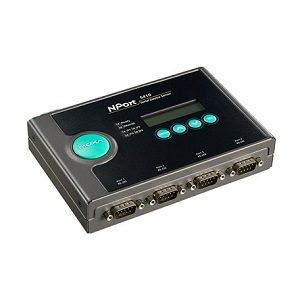
Network/Signal4 Products
-
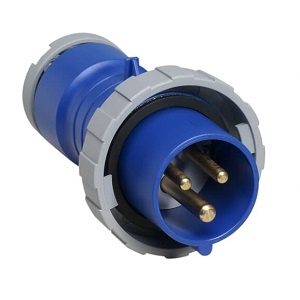
Others4,668 Products
-
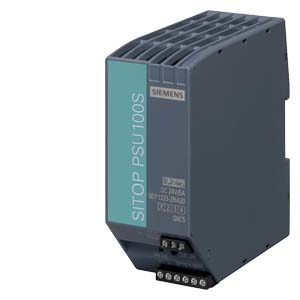
Power Supply218 Products
-
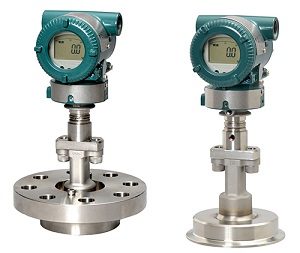
Pressure Transmitter143 Products
-
Programmable Logic Controller (PLC)6,288 Products
-
Relay927 Products
-
Sensor2,221 Products
-
Servo Motors & Motor Drives4,363 Products
-
Switch897 Products
-
Timer93 Products
-
Uncategorized1,148 Products
-
Valve Controller & Manifolds15 Products
-
Variable Frequency Drives (VFD)258 Products
-
Yokogawa Remote Indicators16 Products