
Difference Between Contact and Non-Contact Sensors
Understanding the Difference Between Contact and Non-Contact Sensors in Industrial Automation & Process Control
Which is better: contact or non-contact sensors?, What are examples of contact sensors? And what are examples of non-contact sensors?
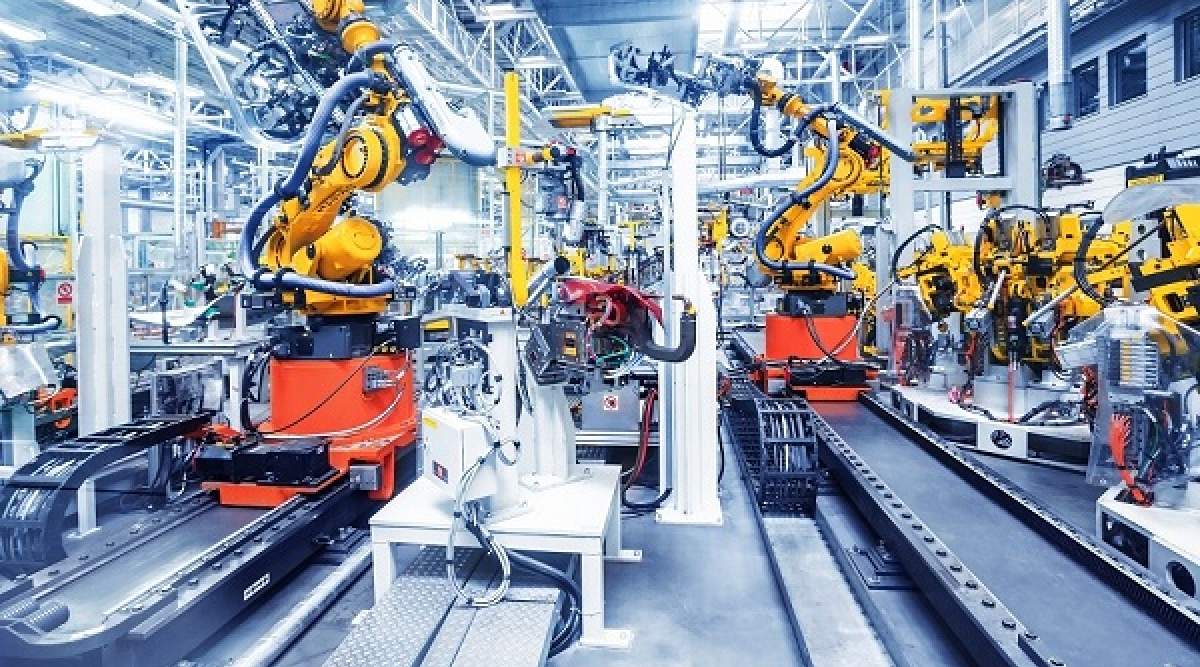
Difference Between Contact and Non-Contact Sensors: A Complete Guide for Industrial Automation
Industrial automation depends on accurate, reliable, and real-time data. Whether you’re controlling a robotic assembly line, monitoring a conveyor system, or managing a process plant, sensors serve as the eyes and ears of the automation system. Among the many types of industrial sensors available today, one of the most important distinctions is between contact sensors and non-contact sensors. While both perform the same fundamental function—detecting the presence, position, movement, or condition of an object—they do so using entirely different methods. Choosing the wrong sensor can lead to inaccurate readings, increased maintenance costs, equipment failures, and production downtime. Conversely, selecting the right sensor improves reliability, enhances productivity, and reduces operational risks.
In this comprehensive guide, we’ll explore the differences between contact and non-contact sensors, examine their operating principles, compare their advantages and limitations, and help you determine which technology is best suited for your application.
What Are Industrial Sensors?
Industrial sensors are devices that detect physical conditions or changes in an environment and convert them into signals that control systems can interpret. Automation systems rely on sensors to gather critical information such as:
-
Position
-
Distance
-
Pressure
-
Temperature
-
Flow
-
Speed
-
Motion
-
Level
-
Presence of objects
Without sensors, PLCs, SCADA systems, and industrial controllers would have no way to monitor or respond to changing process conditions. Modern manufacturing facilities often use hundreds or even thousands of sensors to ensure safe and efficient operations.
Understanding Contact Sensors
What Is a Contact Sensor?
A contact sensor requires physical contact with an object before it can detect or measure it. In other words, the target must touch the sensing element or activate a mechanical mechanism that generates a signal. Contact sensors have been used in industrial applications for decades because they are simple, reliable, and relatively inexpensive. Unlike advanced electronic sensing technologies, contact sensors typically rely on mechanical movement to trigger a response.
How Contact Sensors Work
Contact sensors operate through direct physical interaction. When an object touches the sensing mechanism, the sensor changes state and sends a signal to the control system.
For example:
-
A moving object reaches a sensor.
-
The object physically activates a switch or sensing element.
-
The sensor changes from OFF to ON.
-
The controller receives the signal.
-
The automation system executes the programmed action.
This simple operating principle makes contact sensors easy to install and maintain.
Common Types of Contact Sensors
Limit Switches
Limit switches are among the most widely used contact sensors in industrial automation. A mechanical actuator is triggered when an object physically touches the switch. Common applications include:
-
Conveyor systems
-
Packaging machines
-
Automated gates
-
Machine safety systems
Mechanical Position Switches
Position switches determine whether machinery components have reached a specific location. Manufacturers frequently use them to monitor:
-
Valve positions
-
Machine doors
-
Robotic arm positions
-
Mechanical actuators
Push-Button Sensors
Push-button devices are simple contact sensors commonly used for manual machine control and operator interfaces. Examples include:
-
Start buttons
-
Stop buttons
-
Emergency stop switches
Advantages of Contact Sensors
Many industrial facilities continue using contact sensors because they offer several practical benefits.
Simple Design
Contact sensors contain fewer electronic components, making them straightforward to install and troubleshoot.
Cost-Effective
In many applications, contact sensors are significantly less expensive than advanced non-contact technologies.
Reliable Switching
Physical contact creates a clear switching action, reducing ambiguity in signal detection.
Easy Integration
Most PLC systems can easily interface with contact sensors using standard digital inputs.
Limitations of Contact Sensors
Despite their advantages, contact sensors have several drawbacks.
Mechanical Wear
Because contact sensors rely on physical movement, components eventually wear out. Over time, repeated operation can lead to:
-
Broken actuators
-
Worn contacts
-
Reduced accuracy
Limited Speed
Mechanical devices cannot switch as rapidly as electronic sensors. Consequently, high-speed manufacturing systems often require alternative sensing technologies.
Physical Damage Risk
Contact with moving machinery can damage sensor components. This is particularly problematic in harsh industrial environments.
Increased Maintenance Requirements
Since moving parts deteriorate over time, maintenance teams must inspect and replace contact sensors periodically.
Understanding Non-Contact Sensors
What Is a Non-Contact Sensor?
A non-contact sensor detects an object without physically touching it. Instead of relying on mechanical interaction, these sensors use technologies such as:
-
Electromagnetic fields
-
Light
-
Ultrasonic waves
-
Infrared energy
-
Magnetic fields
-
Laser technology
As a result, non-contact sensors provide faster, more accurate, and more reliable detection in many industrial applications. Today, most advanced automation systems rely heavily on non-contact sensing technologies.
How Non-Contact Sensors Work
The operating principle varies depending on the sensor type. However, most non-contact sensors follow a similar process:
-
The sensor emits energy.
-
The target interacts with that energy.
-
The sensor detects the resulting change.
-
The control system receives the signal.
-
The automation process responds accordingly.
Because no physical contact occurs, these sensors experience minimal wear and often provide longer service life.
Common Types of Non-Contact Sensors
Inductive Proximity Sensors
Inductive sensors detect metallic objects using electromagnetic fields. When a metal target enters the sensing field, the sensor changes state.
Applications include:
-
Metal detection
-
Machine positioning
-
Conveyor automation
-
Assembly line control
Inductive sensors are among the most popular sensors used in industrial automation.
Capacitive Proximity Sensors
Capacitive sensors detect changes in capacitance caused by nearby objects. Unlike inductive sensors, capacitive devices can detect:
-
Plastics
-
Liquids
-
Powders
-
Glass
-
Wood
These sensors are frequently used in level detection and packaging systems.
Photoelectric Sensors
Photoelectric sensors use light beams to detect objects. They typically consist of:
-
A light emitter
-
A receiver
-
Signal processing electronics
Applications include:
-
Object counting
-
Conveyor monitoring
-
Packaging inspection
-
Material handling systems
Because they operate without contact, photoelectric sensors work exceptionally well in high-speed applications.
Ultrasonic Sensors
Ultrasonic sensors emit high-frequency sound waves. The sensor calculates distance by measuring the time required for sound waves to return after reflecting from a target. Common applications include:
-
Tank level monitoring
-
Distance measurement
-
Vehicle detection
-
Robotic navigation
Laser Sensors
Laser sensors provide highly accurate measurement and positioning capabilities. Industries use laser sensors for:
-
Precision manufacturing
-
Robotics
-
Quality inspection
-
Automated assembly
These sensors offer exceptional accuracy even at long sensing distances.
Advantages of Non-Contact Sensors
Non-contact sensing technologies offer numerous advantages in industrial environments.
Longer Service Life
Because there is no physical contact, components experience minimal wear. As a result, non-contact sensors often last significantly longer than mechanical alternatives.
Faster Response Time
Electronic detection occurs almost instantly. Therefore, non-contact sensors are ideal for:
-
High-speed packaging lines
-
Robotics
-
Automated sorting systems
Reduced Maintenance
Fewer moving parts translate into lower maintenance requirements. Many facilities achieve substantial cost savings by replacing mechanical switches with proximity sensors.
Improved Accuracy
Advanced sensing technologies provide highly precise measurements. This is particularly important in:
-
Semiconductor manufacturing
-
Pharmaceutical production
-
Precision machining
Better Reliability
Since environmental factors cause less mechanical stress, non-contact sensors typically deliver more consistent performance.
Limitations of Non-Contact Sensors
Although highly effective, non-contact sensors are not always the best choice.
Higher Initial Cost
Advanced sensing technologies generally cost more than mechanical switches. However, many organizations recover the investment through reduced maintenance expenses.
Environmental Sensitivity
Some sensors can be affected by:
-
Dust
-
Moisture
-
Extreme temperatures
-
Electromagnetic interference
Proper sensor selection is essential.
More Complex Configuration
Certain non-contact sensors require:
-
Calibration
-
Programming
-
Alignment
This increases installation complexity.
Contact vs Non-Contact Sensors: Side-by-Side Comparison
| Feature | Contact Sensors | Non-Contact Sensors |
|---|---|---|
| Physical Contact Required | Yes | No |
| Mechanical Wear | High | Minimal |
| Maintenance Needs | Higher | Lower |
| Response Speed | Slower | Faster |
| Initial Cost | Lower | Higher |
| Accuracy | Moderate | High |
| Service Life | Shorter | Longer |
| High-Speed Applications | Limited | Excellent |
| Harsh Environments | Moderate | Depends on technology |
| Reliability | Good | Excellent |
Applications of Contact and Non-Contact Sensors in Industrial Automation
Manufacturing
Manufacturers often use both technologies together. Examples include:
-
Limit switches for safety interlocks
-
Photoelectric sensors for product counting
-
Inductive sensors for machine positioning
Packaging Industry
Packaging facilities frequently rely on:
-
Photoelectric sensors
-
Ultrasonic sensors
-
Capacitive sensors
These technologies enable rapid product detection and quality control.
Automotive Industry
Automotive production lines use:
-
Laser sensors
-
Inductive sensors
-
Vision systems
These sensors support robotic welding, assembly, and inspection operations.
Food and Beverage Industry
Non-contact sensors dominate this industry because they improve hygiene and reduce contamination risks. Applications include:
-
Bottle detection
-
Liquid level monitoring
-
Packaging inspection
Process Industries
Chemical plants, refineries, and power stations use sensors for:
-
Flow monitoring
-
Pressure measurement
-
Tank level control
-
Safety system monitoring
How to Choose Between Contact and Non-Contact Sensors
Choosing the right sensor depends on several factors.
Consider the Operating Environment
Dust, vibration, moisture, and temperature can influence sensor performance.
Evaluate Detection Speed
High-speed operations typically require non-contact sensing.
Determine Accuracy Requirements
Precision applications benefit from advanced non-contact technologies.
Consider Maintenance Costs
While contact sensors cost less initially, maintenance expenses may be higher over time.
Review Total Cost of Ownership
Many facilities discover that non-contact sensors deliver better long-term value despite higher upfront costs.
Recommended Related Articles
Frequently Asked Questions (FAQ)
What is the main difference between contact and non-contact sensors?
The primary difference is that contact sensors require physical contact with the target object, whereas non-contact sensors detect objects using technologies such as electromagnetic fields, light, sound waves, or lasers without touching the target.
Which is better: contact or non-contact sensors?
Neither is universally better. Contact sensors are often more economical and simpler, while non-contact sensors provide greater speed, accuracy, reliability, and service life. The best choice depends on the application.
What are examples of contact sensors?
Common examples include:
-
Limit switches
-
Mechanical position switches
-
Push-button switches
-
Safety interlock switches
What are examples of non-contact sensors?
Common examples include:
-
Inductive proximity sensors
-
Capacitive sensors
-
Photoelectric sensors
-
Ultrasonic sensors
-
Laser sensors
Why are non-contact sensors preferred in modern automation?
Non-contact sensors offer faster response times, reduced maintenance requirements, longer operational life, and improved accuracy. Consequently, they are widely used in smart factories and Industry 4.0 environments.
Can contact and non-contact sensors be used together?
Yes. Many industrial systems combine both technologies. For example, a machine may use proximity sensors for positioning while using limit switches as safety backups.
Which sensor type lasts longer?
In most applications, non-contact sensors last longer because they do not rely on moving mechanical components that wear out over time.
Are non-contact sensors more expensive?
Generally, yes. However, lower maintenance costs and longer service life often make them more cost-effective over the lifespan of the equipment.
Both contact and non-contact sensors play critical roles in industrial automation. Contact sensors remain valuable for simple, cost-sensitive applications, while non-contact sensors dominate modern manufacturing environments that demand speed, precision, and reliability.
As factories continue adopting Industry 4.0 technologies, robotics, and intelligent control systems, non-contact sensing solutions will become even more prevalent. Nevertheless, successful automation projects rarely depend on a single technology. Instead, they combine the strengths of multiple sensor types to achieve optimal performance, safety, and operational efficiency.
Understanding the differences between contact and non-contact sensors allows engineers, maintenance teams, and plant managers to make informed decisions that improve productivity, reduce downtime, and maximize return on investment.
Your One-Stop Source for Reliable Automation & Process Control Equipment
Access trusted process control equipment, expert support, and fast sourcing—all in one place.
-
AC Drives 18,165 Products
-
Butterfly Valve236 Products
-
Circuit Breakers2,226 Products
-
Contactors567 Products
-
Counters78 Products
-
Encoder117 Products
-
Fanuc Main Board1,376 Products
-
Flow Transmitter (Flow meter)552 Products
-
HMI/Touch Screen592 Products
-
Industrial Device Servers125 Products
-
Inverter911 Products
-
Network/Signal2 Products
-
Others4,502 Products
-
Power Supply218 Products
-
Pressure Transmitter146 Products
-
Programmable Logic Controller (PLC)6,290 Products
-
Relay927 Products
-
Sensor2,221 Products
-
Servo Motors & Motor Drives4,722 Products
-
Switch897 Products
-
Timer93 Products
-
Uncategorized1,141 Products
-
Valve Controller & Manifolds17 Products
-
Variable Frequency Drives (VFD)257 Products
-
Yokogawa Remote Indicators16 Products