
Industrial Automation Architecture
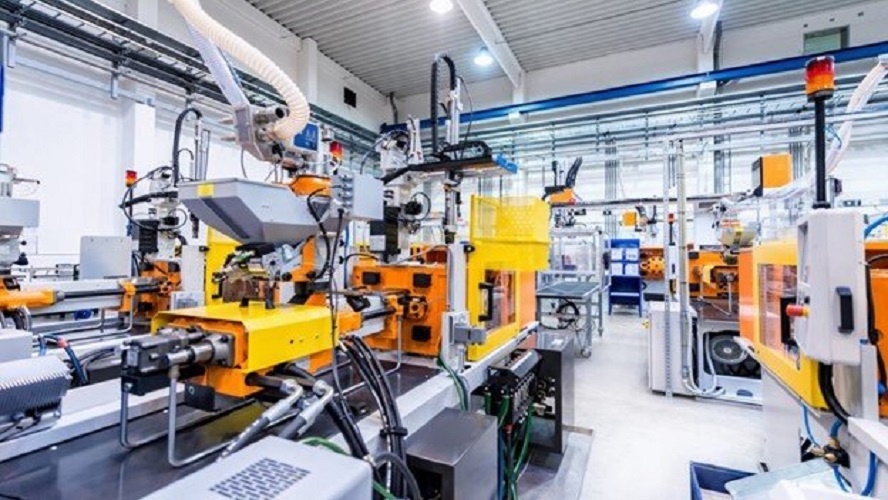
Industrial Automation Architecture: A Complete Guide to the Structure of Modern Industrial Control Systems
Industrial automation systems do not operate as isolated machines. Behind every automated factory, processing plant, or smart manufacturing facility lies a carefully designed industrial automation architecture that organizes equipment, software, and data flow into structured layers.
This architecture determines how machines communicate, how data flows through the system, and how decisions are made—from the shop floor all the way to enterprise management systems.
Whether you are designing a new automation system, integrating industrial IoT technologies, or trying to understand how modern factories operate, understanding industrial automation architecture is essential.
In this guide, we’ll explore how automation systems are structured, the layers that make up the automation pyramid, the technologies used at each level, and how these systems integrate to create efficient and scalable industrial environments.
What Is Industrial Automation Architecture?
Industrial automation architecture refers to the structured framework that organizes hardware, software, networks, and control systems within an automated industrial environment.
It defines how different components—such as sensors, programmable logic controllers (PLCs), supervisory control systems, and enterprise software—interact with one another.
Most modern automation architectures follow a hierarchical model commonly known as the automation pyramid or ISA-95 architecture. This model organizes industrial systems into multiple layers, each responsible for specific functions within the production process.
The purpose of this structured approach is to:
- Improve system reliability
- Separate control functions across different layers
- Ensure efficient data flow between operational technology (OT) and business systems
- Simplify system design and scalability
Within this architecture, data typically flows upward from machines and sensors, while control commands flow downward from management systems and controllers.
The Automation Pyramid Model
One of the most widely used models for industrial automation architecture is the automation pyramid, which visually represents the hierarchical structure of automation systems.
At the bottom of the pyramid are physical devices interacting directly with industrial processes. As you move upward, each layer adds more intelligence, data processing, and management capabilities.
Typical levels in this architecture include:
- Field Level
- Control Level
- Supervisory Level
- Manufacturing Operations Level
- Enterprise Level
Each level performs a specific role in controlling and managing industrial operations.
Field Level: Sensors and Actuators
Role of the Field Level
The field level forms the foundation of the entire industrial automation architecture. It includes all devices that directly interact with the physical production process.
These devices collect real-time data from machines and the surrounding environment. This information is transmitted to higher layers where it is processed and used for decision-making.
Typical field devices include:
- Sensors
- Transmitters
- Switches
- Industrial instruments
- Actuators such as motors and valves
Sensors measure process variables such as temperature, pressure, flow rate, vibration, and position. Actuators convert control signals into mechanical actions that influence the process.
This layer is often referred to as Level 0 in the automation pyramid.
Examples of Field Devices
Field devices are found across nearly every industrial environment.
Common examples include:
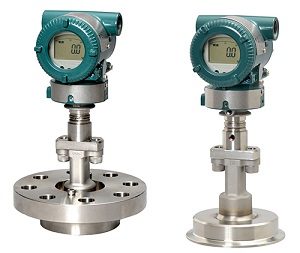
- Pressure transmitters used in oil pipelines
- Temperature sensors in chemical reactors
- Flow meters in water treatment facilities
- Proximity sensors in manufacturing assembly lines
These devices continuously gather operational data that forms the basis of industrial control systems.
To explore more about sensors used in automation, see:
https://www.automationpioneer.com/news/types-of-industrial-sensors
Control Level: PLCs and Industrial Controllers
Role of the Control Level
Above the field level sits the control level, which is responsible for real-time process control.
At this layer, industrial controllers analyze input signals from field devices and execute control logic that determines how machines should operate.
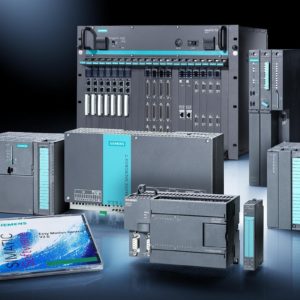
Programmable Logic Controllers (PLCs) are the most common control devices used in this layer. PLCs receive data from sensors, run programmed instructions, and send control signals to actuators such as motors or valves.
Because industrial processes require extremely fast response times, control systems operate at high speeds—often within milliseconds.
Types of Control Systems
Several types of controllers may exist at this level depending on the application:
- PLC systems
- Distributed Control Systems (DCS)
- Programmable Automation Controllers (PAC)
- Remote Terminal Units (RTU)
Each controller is designed to manage specific types of industrial processes.
For example, PLCs are commonly used in discrete manufacturing environments, while DCS systems are widely used in process industries such as oil and gas or chemical processing.
Learn more about PLC control systems here:
https://www.automationpioneer.com/news/plc-programming-basics
Supervisory Level: SCADA and Human-Machine Interfaces
Role of the Supervisory Level
The supervisory level provides monitoring and coordination for multiple control systems across a production facility.
Instead of controlling individual machines, this layer focuses on visualizing process data and enabling operators to monitor plant performance.
Supervisory Control and Data Acquisition (SCADA) systems play a central role at this level. SCADA platforms collect real-time data from PLCs and controllers and display it through graphical dashboards.
Operators use SCADA systems to:
- Monitor production performance
- View alarms and alerts
- Analyze historical data
- Issue high-level control commands
Human-Machine Interfaces (HMI)
Human-Machine Interfaces (HMIs) are the screens and graphical displays operators use to interact with automation systems.
HMIs provide real-time visualization of process data such as:
- tank levels
- machine status
- system alarms
- production rates
These interfaces allow operators to manage complex industrial processes from a central control room.
Learn more about supervisory control here:
https://www.automationpioneer.com/news/what-is-scada-system
Manufacturing Operations Level: MES Systems
Role of the Manufacturing Operations Layer
The manufacturing operations level sits between the production floor and enterprise management systems.
This layer typically includes Manufacturing Execution Systems (MES) and other production management software.
MES systems coordinate manufacturing operations by managing tasks such as:
- production scheduling
- resource allocation
- quality control
- maintenance planning
- performance monitoring
This layer acts as a bridge between real-time industrial processes and business planning systems.
MES systems ensure that production targets are achieved efficiently while maintaining product quality and traceability.
Functions of MES Systems
Key functions of manufacturing execution systems include:
- tracking production performance
- monitoring equipment efficiency
- managing production workflows
- recording quality data
Because MES systems collect detailed operational data, they play a critical role in modern data-driven manufacturing environments.
Enterprise Level: ERP and Business Systems
Role of the Enterprise Layer
At the top of the automation architecture is the enterprise level, which includes business management systems.
These systems focus on strategic decision-making rather than direct process control.
Enterprise software typically includes:
- Enterprise Resource Planning (ERP) systems
- supply chain management software
- customer relationship management platforms
- financial management systems
ERP platforms integrate information from production systems with business functions such as inventory management, procurement, and logistics.
Integration with Manufacturing Systems
Data collected from the factory floor flows upward through the automation architecture until it reaches enterprise systems.
This information allows companies to:
- forecast production demand
- optimize inventory levels
- improve supply chain planning
- analyze operational performance
Modern industrial organizations increasingly rely on integrated automation architecture to support digital transformation initiatives.
Communication Networks in Automation Architecture
Automation systems rely heavily on industrial communication networks to connect devices across different layers of the architecture.
Common industrial communication protocols include:
- Modbus
- Profibus
- Profinet
- EtherNet/IP
- OPC UA
These communication technologies allow machines, controllers, and enterprise software systems to exchange information reliably.
For example, PLCs communicate with sensors at the field level while SCADA systems communicate with controllers at the supervisory level.
Learn more about these technologies here:
https://www.automationpioneer.com/news/industrial-communication-protocols
Industrial Automation Architecture in Industry 4.0
The traditional automation pyramid is evolving as industries adopt Industry 4.0 technologies.
Modern automation architectures now incorporate:
- Industrial Internet of Things (IIoT) devices
- edge computing platforms
- cloud analytics systems
- artificial intelligence algorithms
These technologies allow factories to collect and analyze massive amounts of operational data in real time.
Instead of relying solely on hierarchical communication structures, modern architectures often include horizontal data integration, where machines communicate directly with cloud platforms and analytics tools.
This shift is enabling the development of smart factories, where production systems continuously optimize themselves based on data insights.
To explore this concept further, see:
https://www.automationpioneer.com/news/industrial-iot-guide
Benefits of a Well-Designed Automation Architecture
A well-designed industrial automation architecture provides several important advantages.
Improved System Reliability
Separating control functions across different layers prevents system failures from affecting the entire production environment.
Better Data Visibility
Automation architecture allows operational data to flow seamlessly between production systems and business management tools.
Enhanced Scalability
Layered architectures make it easier to add new machines, sensors, or software systems without disrupting existing operations.
Stronger Cybersecurity
Modern architectures often implement security zones between layers to protect critical infrastructure from cyber threats.
Recommended Related Articles:
https://www.automationpioneer.com/news/plc-programming-basics
PLC Programming Basics
https://www.automationpioneer.com/news/what-is-scada-system
What Is SCADA System
https://www.automationpioneer.com/news/plc-vs-dcs
PLC vs DCS Explained
https://www.automationpioneer.com/news/types-of-industrial-sensors
Types of Industrial Sensors
https://www.automationpioneer.com/news/industrial-communication-protocols
Industrial Communication Protocols
https://www.automationpioneer.com/news/industrial-iot-guide
Industrial IoT Guide
https://www.automationpioneer.com/news/flow-measurement-technologies
Flow Measurement Technologies
https://www.automationpioneer.com/news/pressure-transmitters-guide
Pressure Transmitters Explained
Frequently Asked Questions (FAQ)
What is industrial automation architecture?
Industrial automation architecture is the structured framework that organizes devices, control systems, software, and networks within an automated industrial environment.
What are the main layers of automation architecture?
The main layers typically include:
- Field level (sensors and actuators)
- Control level (PLCs and controllers)
- Supervisory level (SCADA and HMI systems)
- Manufacturing operations level (MES systems)
- Enterprise level (ERP and business systems)
What is the automation pyramid?
The automation pyramid is a hierarchical model that organizes industrial automation systems into multiple layers, each responsible for specific control and management functions.
Why is ISA-95 important in industrial automation?
ISA-95 is an international standard that defines how manufacturing systems should integrate with enterprise business systems. It helps organizations structure their automation architecture and improve communication between operational technology and IT systems.
How does Industry 4.0 affect automation architecture?
Industry 4.0 introduces technologies such as IIoT, cloud computing, and advanced analytics, enabling factories to become more connected and data-driven.
-
AC Drives 18,160 Products
-
Butterfly Valve236 Products
-
Circuit Breakers2,226 Products
-
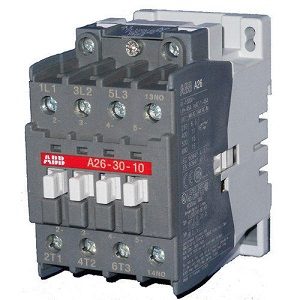
Contactors567 Products
-
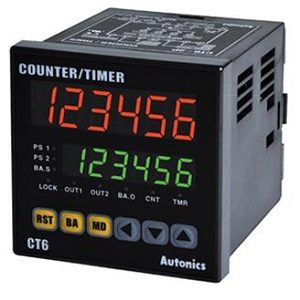
Counters78 Products
-
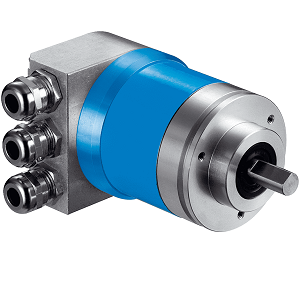
Encoder117 Products
-
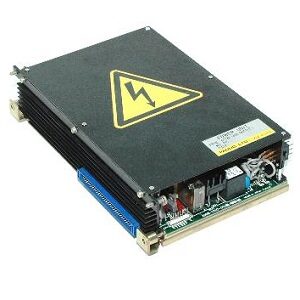
Fanuc Main Board1,376 Products
-
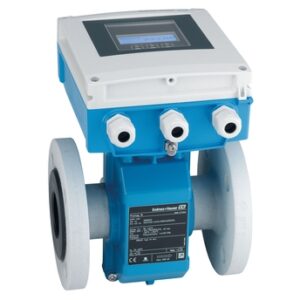
Flow Transmitter (Flow meter)286 Products
-
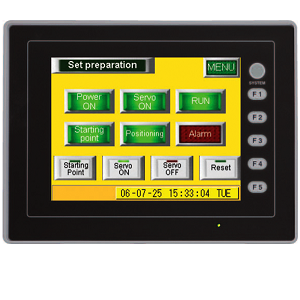
HMI/Touch Screen592 Products
-
Inverter911 Products
-
Network/Signal4 Products
-
Others4,668 Products
-
Power Supply218 Products
-
Pressure Transmitter143 Products
-
Programmable Logic Controller (PLC)6,288 Products
-
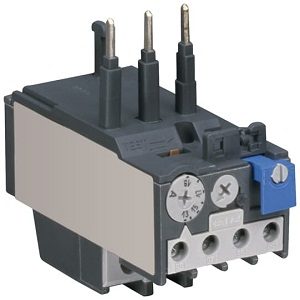
Relay927 Products
-
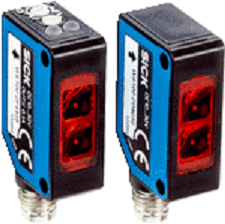
Sensor2,221 Products
-
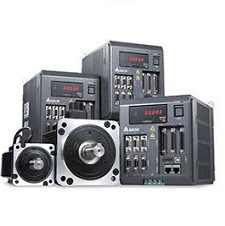
Servo Motors & Motor Drives4,363 Products
-
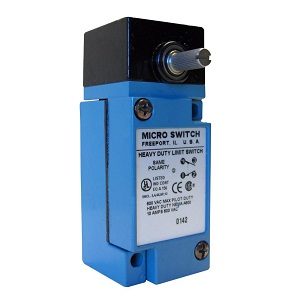
Switch897 Products
-
Timer93 Products
-
Uncategorized1,148 Products
-
Valve Controller & Manifolds15 Products
-
Variable Frequency Drives (VFD)258 Products
-

Yokogawa Remote Indicators16 Products