
Industrial Automation in Manufacturing
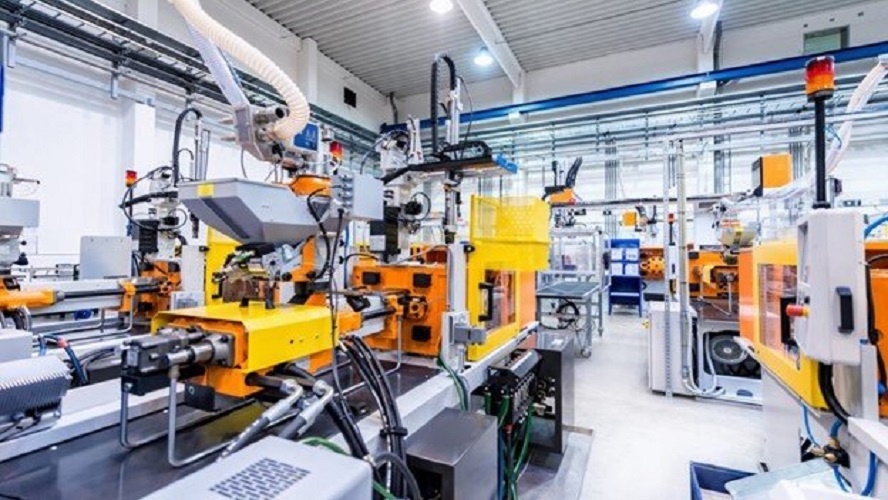
Industrial Automation in Manufacturing: A Complete Guide to Modern Smart Factories
Manufacturing has undergone a profound transformation over the past few decades. What once relied heavily on manual labor and mechanical machinery is now powered by advanced robotics, intelligent control systems, and digital technologies. At the heart of this transformation lies industrial automation in manufacturing—a technological shift that enables factories to produce goods faster, safer, and with far greater precision.
Industrial automation integrates machines, control systems, sensors, and software platforms to manage production processes automatically. These systems monitor operations in real time, analyze performance data, and adjust machine behavior to maintain optimal production conditions.
For manufacturers, automation is not simply about replacing human labor. Instead, it represents a strategic approach to improving productivity, maintaining consistent product quality, reducing operational costs, and enabling smarter decision-making across the entire production environment.
This guide explores how industrial automation works in manufacturing, the technologies that make it possible, and why it has become a critical component of modern industrial operations.
Understanding Industrial Automation in Manufacturing
Industrial automation in manufacturing refers to the use of machines, robotics, control systems, and digital technologies to operate production processes with minimal human intervention. These systems manage tasks such as assembly, machining, packaging, inspection, and material handling.
Modern automation systems combine several technologies to create an integrated manufacturing environment. Sensors collect data from machines and processes, controllers analyze that information, and automated equipment adjusts operations accordingly.
The result is a highly coordinated production system capable of operating continuously with consistent performance.
One of the most significant advantages of automation is its ability to perform repetitive tasks with exceptional accuracy. Automated machines can maintain precise production parameters, reducing the likelihood of errors and ensuring consistent product quality.
Manufacturers across industries—including automotive, electronics, pharmaceuticals, and food processing—have embraced automation to remain competitive in an increasingly demanding global market.
The Evolution of Manufacturing Automation
Automation in manufacturing did not appear overnight. It evolved through several technological phases.
Early Mechanization
During the Industrial Revolution, factories introduced mechanical machines powered by steam engines. These machines improved production speed but still required constant human operation.
Electrical and Relay-Based Control
In the early 20th century, manufacturers began using electrical relays and control circuits to automate certain machine functions. While effective, these systems were difficult to modify and required complex wiring.
Programmable Logic Controllers (PLCs)
The introduction of programmable logic controllers revolutionized industrial automation. PLCs replaced relay-based systems and allowed engineers to control machines through software programming.
Industry 4.0 and Smart Manufacturing
Today’s manufacturing facilities incorporate digital technologies such as artificial intelligence, Industrial Internet of Things (IIoT), and cloud computing. These technologies allow machines, sensors, and control systems to communicate and share data across the entire production environment.
This shift toward smart manufacturing enables factories to become more connected, flexible, and data-driven.
Key Technologies Used in Manufacturing Automation
Industrial automation relies on several core technologies that work together to control and optimize production processes.
Industrial Robots
Industrial robots are among the most recognizable components of automated manufacturing systems. These machines are designed to perform repetitive tasks with high precision and speed.
Common robotic applications in manufacturing include:
- Welding and metal fabrication
- Assembly of electronic components
- Packaging and palletizing
- Material handling
- Painting and surface finishing
Robotic systems can operate continuously without fatigue, allowing factories to increase production output while maintaining consistent quality.
In automotive manufacturing, robotic arms are widely used to assemble vehicle frames and perform high-precision welding operations.
Programmable Logic Controllers (PLCs)
PLCs serve as the central control units of many automated manufacturing systems. These industrial computers receive input signals from sensors, process the information using programmed logic, and send commands to machinery.
PLCs control a wide range of manufacturing equipment, including conveyors, robotic arms, and assembly machines.
For readers who want a deeper understanding of PLC technology, see:
PLC Programming Basics
https://www.automationpioneer.com/news/plc-programming-basics
Sensors and Data Acquisition Systems
Sensors are responsible for collecting real-time information about manufacturing processes. These devices measure physical variables such as temperature, pressure, position, and speed.
Examples of common industrial sensors include:
- Temperature sensors
- Pressure transmitters
- Proximity sensors
- Optical sensors
- Flow meters
These measurements allow automation systems to monitor production conditions and adjust machine performance when necessary.
You can learn more about this topic here:
Types of Industrial Sensors
https://www.automationpioneer.com/news/types-of-industrial-sensors
SCADA Systems and Human-Machine Interfaces
Supervisory Control and Data Acquisition (SCADA) systems provide high-level monitoring of manufacturing processes. These systems collect operational data from multiple machines and display it through graphical interfaces.
Operators can monitor production performance, track equipment status, and respond to alarms using Human-Machine Interfaces (HMIs).
For a more detailed explanation, visit:
What Is SCADA System
https://www.automationpioneer.com/news/what-is-scada-system
Industrial Communication Networks
Modern manufacturing automation requires reliable communication between machines, sensors, and control systems.
Industrial communication protocols allow equipment from different manufacturers to exchange information and coordinate operations.
Common industrial networks include:
- Modbus
- Profibus
- Profinet
- EtherNet/IP
- OPC UA
To explore these technologies further, see:
Industrial Communication Protocols Guide
https://www.automationpioneer.com/news/industrial-communication-protocols
Benefits of Industrial Automation in Manufacturing
Automation offers numerous advantages that make it essential for modern manufacturing environments.
Increased Productivity
Automated systems can operate continuously without breaks, allowing factories to run production lines 24 hours a day. Robots and automated machines perform repetitive tasks faster than human operators, significantly increasing production capacity.
Automation also reduces bottlenecks between production stages, helping manufacturers meet tight production deadlines.
Improved Product Quality
Consistency is critical in manufacturing. Automated systems follow precise instructions and maintain strict process control, ensuring that each product meets the same quality standards.
Automated inspection technologies can detect defects early in the production process, preventing faulty products from reaching customers.
Reduced Operational Costs
While automation requires significant initial investment, it often results in substantial long-term savings.
Automated production systems reduce labor costs, minimize material waste, and improve energy efficiency. Many companies find that automation lowers overall operating expenses while increasing profitability.
Enhanced Workplace Safety
Manufacturing environments often involve dangerous conditions such as heavy machinery, high temperatures, and hazardous materials.
Automation allows machines and robots to handle high-risk tasks, reducing workplace injuries and improving overall safety conditions for employees.
Better Data and Decision-Making
Modern automation systems collect large amounts of operational data from sensors and machines across the production floor.
This data enables manufacturers to:
- monitor performance in real time
- identify inefficiencies in production processes
- predict equipment failures before they occur
- optimize production schedules
Data-driven manufacturing allows companies to make smarter operational decisions and improve long-term performance.
Applications of Automation in Manufacturing
Industrial automation is used across a wide range of manufacturing processes.
Assembly Line Automation
Automated assembly lines use robotic systems and conveyors to assemble products efficiently. These systems are widely used in automotive and electronics manufacturing.
Robots perform tasks such as fastening components, installing parts, and welding metal structures.
Automated Quality Inspection
Modern factories increasingly use machine vision systems and artificial intelligence to inspect products during production.
Automated inspection systems can detect defects faster and more accurately than manual inspection methods.
Material Handling Automation
Automated material handling systems transport raw materials and finished products throughout the manufacturing facility.
Examples include:
- conveyor systems
- automated guided vehicles (AGVs)
- robotic palletizing systems
These technologies improve workflow efficiency and reduce manual labor requirements.
Packaging and Logistics Automation
Packaging processes are often automated using specialized machinery that fills, seals, labels, and palletizes products.
Automation ensures consistent packaging quality and allows manufacturers to process large volumes of products quickly.
The Future of Automation in Manufacturing
Industrial automation continues to evolve as new technologies reshape manufacturing environments.
Several emerging technologies are driving the next generation of smart factories:
Artificial Intelligence in Manufacturing
AI systems analyze production data to identify inefficiencies, optimize workflows, and improve decision-making.
Industrial Internet of Things (IIoT)
Connected sensors and devices allow manufacturers to monitor equipment remotely and analyze production data in real time.
Learn more here: Industrial IoT Guide
https://www.automationpioneer.com/news/industrial-iot-guide
Digital Twin Technology
Digital twins create virtual models of manufacturing systems, allowing engineers to simulate production scenarios and identify potential problems before they occur.
Predictive Maintenance
Advanced analytics can predict equipment failures by analyzing machine data, allowing maintenance teams to repair equipment before breakdowns occur.
These innovations are pushing manufacturing toward fully connected, intelligent production environments.
Recommended Related Articles:
https://www.automationpioneer.com/news/plc-programming-basics
PLC Programming Basics
https://www.automationpioneer.com/news/what-is-scada-system
What Is SCADA System
https://www.automationpioneer.com/news/plc-vs-dcs
PLC vs DCS Explained
https://www.automationpioneer.com/news/types-of-industrial-sensors
Types of Industrial Sensors
https://www.automationpioneer.com/news/industrial-communication-protocols
Industrial Communication Protocols
https://www.automationpioneer.com/news/flow-measurement-technologies
Flow Measurement Technologies
https://www.automationpioneer.com/news/pressure-transmitters-guide
Pressure Transmitters Explained
https://www.automationpioneer.com/news/industrial-iot-guide
Industrial IoT Guide
Frequently Asked Questions (FAQ)
What is industrial automation in manufacturing?
Industrial automation in manufacturing refers to the use of machines, robotics, control systems, and digital technologies to operate production processes automatically with minimal human intervention.
Why is automation important in manufacturing?
Automation improves manufacturing efficiency by increasing productivity, maintaining consistent product quality, reducing labor costs, and improving workplace safety.
What technologies are used in manufacturing automation?
Key technologies include industrial robots, PLC controllers, sensors, SCADA systems, industrial communication networks, and Industrial Internet of Things (IIoT) platforms.
What industries use manufacturing automation?
Automation is widely used in industries such as automotive manufacturing, electronics production, pharmaceuticals, food processing, and consumer goods manufacturing.
Does automation replace human workers in manufacturing?
Automation does not necessarily replace workers. Instead, it shifts their roles toward monitoring, programming, and maintaining automated systems while machines handle repetitive or hazardous tasks.
-
AC Drives 18,160 Products
-
Butterfly Valve236 Products
-
Circuit Breakers2,226 Products
-
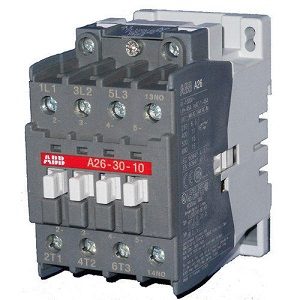
Contactors567 Products
-
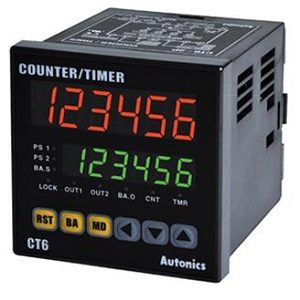
Counters78 Products
-
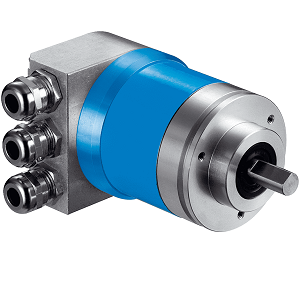
Encoder117 Products
-
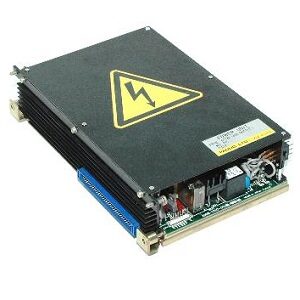
Fanuc Main Board1,376 Products
-
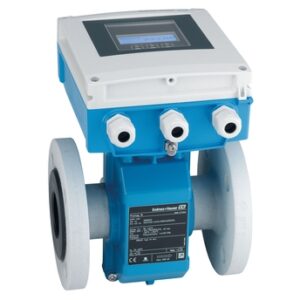
Flow Transmitter (Flow meter)286 Products
-
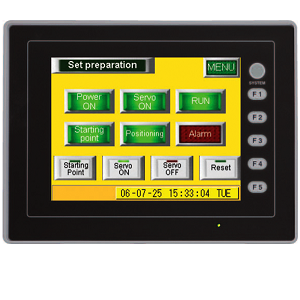
HMI/Touch Screen592 Products
-
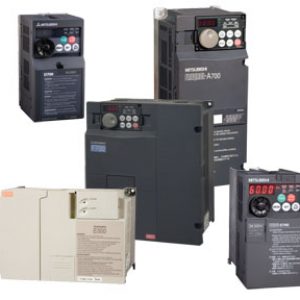
Inverter911 Products
-
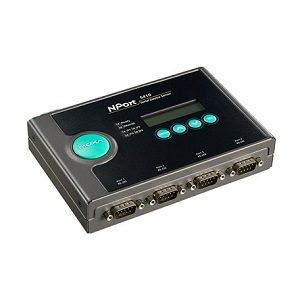
Network/Signal4 Products
-
Others4,668 Products
-
Power Supply218 Products
-
Pressure Transmitter143 Products
-
Programmable Logic Controller (PLC)6,288 Products
-
Relay927 Products
-
Sensor2,221 Products
-
Servo Motors & Motor Drives4,363 Products
-
Switch897 Products
-
Timer93 Products
-
Uncategorized1,148 Products
-
Valve Controller & Manifolds15 Products
-
Variable Frequency Drives (VFD)258 Products
-
Yokogawa Remote Indicators16 Products