
Types of Flow Meters
Understanding Different Types of Flow Meters in Factory Automation Control
What are the main types of flow meters? and Which flow meter is the most accurate?
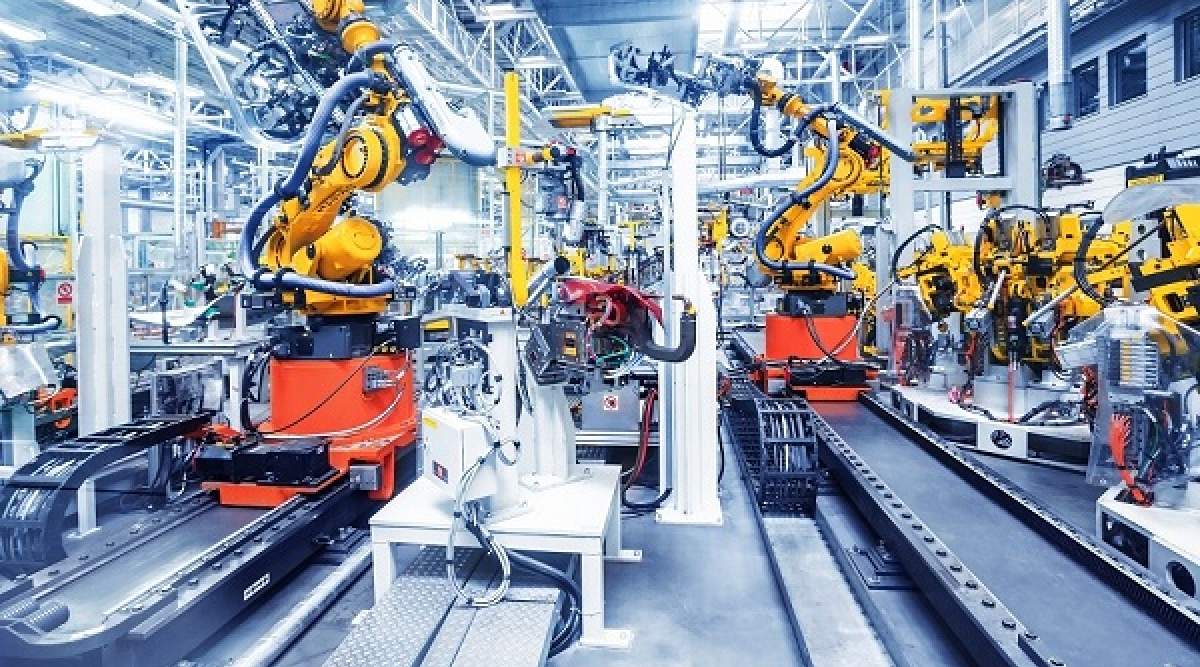
Types of Flow Meters: A Complete Guide for Industrial Applications
Accurate flow measurement is one of the most critical aspects of industrial process control. Whether it’s monitoring water flow in a treatment plant, measuring steam in a power station, or controlling chemical dosing in a manufacturing facility, selecting the right flow meter directly impacts efficiency, safety, product quality, and operational costs. Modern industries rely on a wide range of flow measurement technologies because no single flow meter works perfectly for every application. Fluid properties, operating pressure, temperature, viscosity, conductivity, and installation conditions all influence the type of flow meter best suited for the job. In this comprehensive guide, we’ll explore the most common types of flow meters used in industrial applications, how they work, their advantages and limitations, and where each technology performs best. A flow meter is generally defined as an instrument used to measure the flow rate or quantity of liquids, gases, or steam moving through pipelines or channels.
Understanding Industrial Flow Meters
Flow meters are instruments designed to measure the movement of fluids through a system. Depending on the application, they may measure:
Volumetric flow rate
Mass flow rate
Fluid velocity
Totalized flow volume
Industries use flow meters to improve process control, monitor efficiency, reduce waste, and maintain product consistency. Accurate flow measurement is especially important in industries such as:
Oil and gas
Water and wastewater treatment
Chemical processing
Food and beverage manufacturing
Pharmaceutical production
HVAC systems
Power generation
Modern flow meters use a variety of operating principles, including differential pressure, electromagnetic induction, ultrasonic sound waves, vortex shedding, thermal dispersion, and Coriolis force measurement.
Differential Pressure Flow Meters
What Are Differential Pressure Flow Meters?
Differential pressure (DP) flow meters are among the oldest and most widely used flow measurement technologies in industry. These meters operate based on Bernoulli’s principle. When fluid passes through a restriction inside a pipe, the fluid velocity increases while pressure decreases. By measuring the pressure difference before and after the restriction, the system calculates the flow rate.
Common Types of Differential Pressure Flow Meters
Several devices fall under the differential pressure category:
Orifice Plate Flow Meters
An orifice plate creates a pressure drop by forcing fluid through a precisely machined opening. These are popular because they are:
Cost-effective
Simple to install
Suitable for steam, gas, and liquid applications
However, they create permanent pressure loss and require straight pipe runs for accurate measurement.
Venturi Flow Meters
Venturi meters use a gradually narrowing pipe section to generate differential pressure. Compared to orifice plates, Venturi meters offer:
Lower pressure loss
Better efficiency
Improved long-term accuracy
They are commonly used in large water pipelines and wastewater systems.
Flow Nozzles
Flow nozzles are commonly used for high-velocity steam applications in power plants and industrial boilers. They are more durable than orifice plates in high-temperature environments.
Advantages of Differential Pressure Flow Meters
Proven and reliable technology
Suitable for high-pressure and high-temperature applications
Relatively low installation cost
Widely accepted industry standard
Limitations
Permanent pressure loss
Requires regular maintenance
Accuracy affected by installation conditions
Despite these limitations, differential pressure flow meters remain heavily used in industrial facilities worldwide.
Electromagnetic Flow Meters (Mag Meters)
What Are Electromagnetic Flow Meters?
Electromagnetic flow meters—commonly called mag meters—measure flow using Faraday’s law of electromagnetic induction. When a conductive liquid flows through a magnetic field, a voltage is generated. The flow meter measures this voltage and converts it into flow rate data. Because mag meters contain no moving parts, they are highly reliable and require minimal maintenance.
Applications of Magnetic Flow Meters
Mag meters are widely used for measuring conductive fluids such as:
Water
Wastewater
Slurry
Chemicals
Pulp and paper stock
They are especially common in:
Municipal water treatment plants
Mining operations
Chemical processing facilities
Advantages of Magnetic Flow Meters
No moving parts
Minimal pressure drop
Excellent accuracy
Low maintenance requirements
Suitable for dirty or abrasive fluids
Limitations
Mag meters only work with electrically conductive fluids. They cannot measure:
Oil
Hydrocarbons
Gases
Distilled water
They also require proper grounding and electrical installation for accurate operation.
Ultrasonic Flow Meters
What Are Ultrasonic Flow Meters?
Ultrasonic flow meters use sound waves to measure fluid velocity within a pipe. These devices transmit ultrasonic signals both upstream and downstream through the flowing fluid. The difference in signal travel time is used to calculate flow velocity and flow rate. Ultrasonic meters are available in two main configurations:
Inline ultrasonic meters
Clamp-on ultrasonic meters
Clamp-on designs are particularly popular because they can be installed externally without cutting into the pipe.
Applications of Ultrasonic Flow Meters
Ultrasonic flow meters are commonly used in:
Water treatment systems
HVAC systems
Energy monitoring systems
Chemical plants
Large-diameter pipelines
Advantages of Ultrasonic Flow Meters
Non-invasive installation options
No pressure loss
Suitable for large pipe sizes
Minimal maintenance
Excellent for clean liquid applications
Limitations
Reduced accuracy with dirty or aerated fluids
Performance affected by pipe material and installation conditions
Higher initial cost than some traditional flow meters
Nevertheless, ultrasonic technology has become increasingly popular because of its flexibility and ease of installation.
Turbine Flow Meters
What Are Turbine Flow Meters?
Turbine flow meters use a rotating turbine positioned inside the flow stream. As fluid passes through the meter, it spins the turbine blades. The rotational speed is proportional to the flow velocity, allowing the system to calculate flow rate.
Applications of Turbine Flow Meters
Turbine flow meters are widely used for:
Fuel measurement
Chemical processing
Water distribution systems
Oil and gas applications
They perform especially well with clean, low-viscosity fluids.
Advantages of Turbine Flow Meters
High measurement accuracy
Fast response time
Compact design
Wide flow range capability
Limitations
Moving parts subject to wear
Not ideal for dirty or viscous fluids
Accuracy affected by flow disturbances
Regular maintenance is often required to maintain performance over time.
Coriolis Flow Meters
What Are Coriolis Flow Meters?
Coriolis flow meters directly measure mass flow rate rather than volumetric flow. These meters operate by vibrating a flow tube. As fluid moves through the tube, Coriolis forces cause measurable twisting motions that are proportional to the mass flow rate. Coriolis technology is considered one of the most accurate flow measurement methods available.
Applications of Coriolis Flow Meters
Coriolis meters are widely used in industries requiring highly precise flow measurement:
Pharmaceutical manufacturing
Food and beverage processing
Chemical dosing systems
Custody transfer applications
Oil and gas operations
Advantages of Coriolis Flow Meters
Extremely high accuracy
Direct mass flow measurement
Simultaneous density and temperature measurement
No need for flow profile conditioning
Limitations
High purchase cost
Heavier and larger than other meter types
Limited availability for very large pipe sizes
Despite the higher cost, Coriolis meters are often preferred for critical applications where accuracy is essential.
Vortex Flow Meters
What Are Vortex Flow Meters?
Vortex flow meters measure flow by detecting vortices generated as fluid passes around a bluff body placed in the flow stream. The frequency of vortex shedding is directly proportional to flow velocity.
Applications of Vortex Flow Meters
Vortex meters are commonly used for:
Steam flow measurement
Gas applications
Utility monitoring systems
Chemical processing
Advantages of Vortex Flow Meters
No moving parts
Good reliability
Suitable for liquids, gases, and steam
Relatively low maintenance
Limitations
Reduced accuracy at low flow rates
Sensitive to vibration
Requires stable flow conditions
Vortex meters are especially popular in steam applications because of their durability and versatility.
Positive Displacement Flow Meters
What Are Positive Displacement Flow Meters?
Positive displacement (PD) flow meters measure flow by trapping and transferring fixed volumes of fluid through mechanical chambers. Each chamber filling and emptying cycle represents a known fluid volume.
Applications of Positive Displacement Flow Meters
PD meters are commonly used for:
Fuel measurement
Oil transfer systems
Hydraulic fluid monitoring
Custody transfer applications
They perform exceptionally well with viscous fluids.
Advantages of Positive Displacement Flow Meters
High accuracy at low flow rates
Excellent for viscous liquids
Direct volumetric measurement
Limitations
Moving mechanical components require maintenance
Pressure drop across the meter
Not ideal for dirty fluids containing solids
Thermal Mass Flow Meters
What Are Thermal Mass Flow Meters?
Thermal mass flow meters measure gas flow using heat transfer principles. A heated sensor measures how quickly flowing gas removes heat from the sensor element. The heat transfer rate corresponds directly to mass flow rate.
Applications of Thermal Mass Flow Meters
These meters are widely used for:
Compressed air monitoring
Natural gas measurement
Biogas systems
Environmental emissions monitoring
Advantages
Direct gas mass flow measurement
Excellent low-flow sensitivity
No pressure or temperature compensation required
Limitations
Primarily limited to gas applications
Accuracy affected by gas composition changes
How to Choose the Right Flow Meter
Selecting the correct flow meter depends on several important factors.
Fluid Characteristics
The type of fluid significantly influences flow meter selection. Important considerations include:
Conductivity
Viscosity
Temperature
Pressure
Presence of solids or bubbles
Accuracy Requirements
Applications such as custody transfer and pharmaceutical manufacturing often require extremely high accuracy. In these cases, Coriolis or ultrasonic meters may be preferred.
Installation Conditions
Pipe size, available straight pipe length, and installation accessibility all affect meter performance. Clamp-on ultrasonic meters are often selected where pipe modification is difficult.
Maintenance Requirements
Facilities with limited maintenance resources often prefer technologies with no moving parts, such as mag meters or ultrasonic meters.
Industrial Applications of Flow Meters
Flow meters are used throughout modern industry.
Water and Wastewater Treatment
Flow meters monitor water distribution, chemical dosing, and wastewater treatment processes.
Oil and Gas Industry
Flow measurement is essential for:
Custody transfer
Fuel monitoring
Pipeline management
Refinery operations
Chemical Processing
Chemical plants rely on accurate flow measurement for process control and safety.
Food and Beverage Manufacturing
Flow meters help maintain product consistency and ensure sanitary process conditions.
- Industrial Automation Fundamentals
- Industrial Communication Protocols
- Industrial Instrumentation Control
- Industrial Sensors & Measurement
- Motion and Process Control
- PLC Programming & Controllers
- SCADA and DCS Systems
- Servo Motors and Motor Drives
Frequently Asked Questions (FAQ)
What are the main types of flow meters?
The most common industrial flow meter types include:
Differential pressure flow meters
Electromagnetic flow meters
Ultrasonic flow meters
Turbine flow meters
Coriolis flow meters
Vortex flow meters
Positive displacement flow meters
Thermal mass flow meters
Which flow meter is the most accurate?
Coriolis flow meters are generally considered the most accurate because they directly measure mass flow and are less affected by fluid property changes.
What flow meter works best for dirty liquids?
Electromagnetic flow meters are ideal for dirty or abrasive conductive liquids because they have no moving parts and minimal obstruction within the flow path.
What is the difference between mass flow and volumetric flow?
Mass flow measures the actual mass of fluid moving through a system, while volumetric flow measures the volume occupied by the fluid.
Which flow meter is best for steam applications?
Vortex and differential pressure flow meters are commonly used for steam measurement because they can handle high temperatures and pressures effectively.
Can ultrasonic flow meters measure gas flow?
Yes. Certain ultrasonic flow meters are specifically designed for gas measurement applications, including natural gas pipelines and compressed air systems.
Your One-Stop Source for Reliable Automation & Process Control Equipment
Access trusted process control equipment, expert support, and fast sourcing—all in one place.
-
AC Drives 18,165 Products
-
Butterfly Valve236 Products
-
Circuit Breakers2,226 Products
-
Contactors567 Products
-
Counters78 Products
-
Encoder117 Products
-
Fanuc Main Board1,376 Products
-
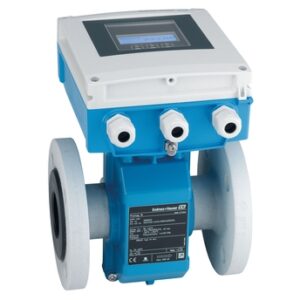
Flow Transmitter (Flow meter)552 Products
-
HMI/Touch Screen592 Products
-
Inverter911 Products
-
Network/Signal4 Products
-
Others4,613 Products
-
Power Supply218 Products
-
Pressure Transmitter146 Products
-
Programmable Logic Controller (PLC)6,290 Products
-
Relay927 Products
-
Sensor2,221 Products
-
Servo Motors & Motor Drives4,554 Products
-
Switch897 Products
-
Timer93 Products
-
Uncategorized1,143 Products
-
Valve Controller & Manifolds15 Products
-
Variable Frequency Drives (VFD)257 Products
-
Yokogawa Remote Indicators16 Products