What Is Flow Measurement?
Understanding What Is Flow Measurement? Principles, Types, and Industrial Applications in Factory Automation Control
What is flow measurement in industrial automation? And what are the main types of flow meters?
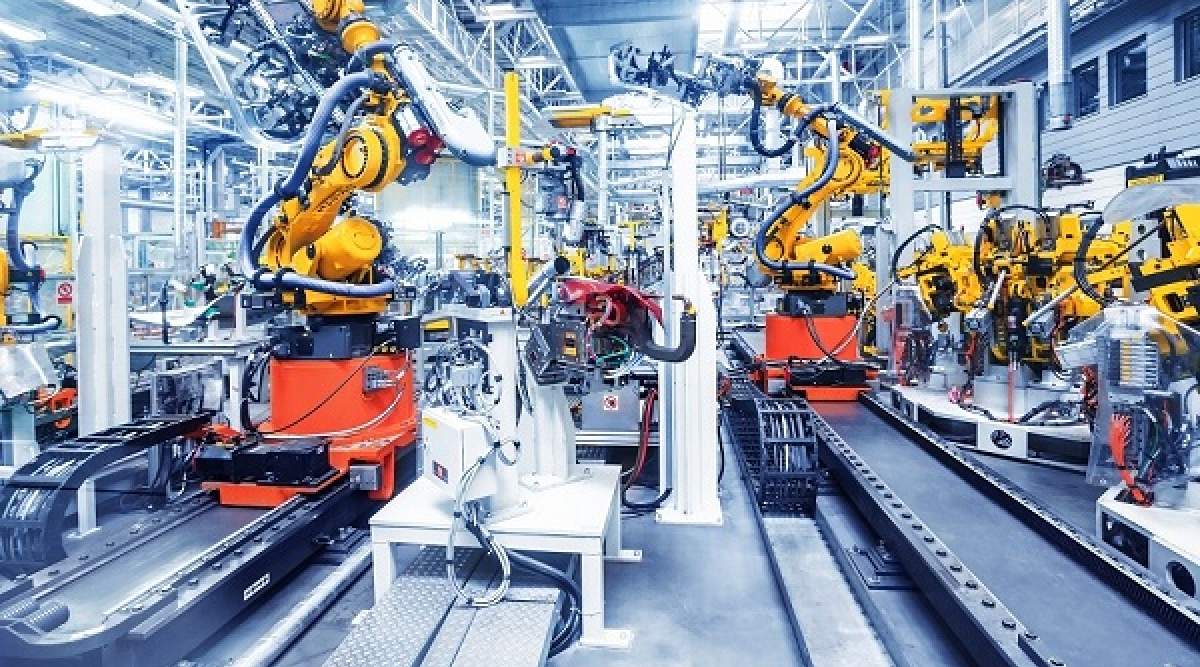
What Is Flow Measurement? Principles, Types, and Industrial Applications
Flow measurement is one of the most important functions in industrial automation and process control. Whether monitoring water distribution in a treatment plant, controlling steam in a power station, or measuring chemical dosing in a refinery, accurate flow measurement is essential for maintaining efficiency, safety, and product quality. In modern industry, even small flow measurement inaccuracies can lead to production losses, energy waste, equipment damage, or regulatory compliance issues. That is why industries rely heavily on flow meters and advanced instrumentation systems to monitor and control fluid movement in real time. From oil and gas pipelines to pharmaceutical manufacturing facilities, flow measurement technologies are used to quantify the movement of liquids, gases, and steam through pipes and process systems. These measurements help operators optimize processes, reduce waste, improve energy efficiency, and ensure stable production conditions.
This guide explains the fundamentals of flow measurement, the working principles behind different flow technologies, the major types of flow meters, and their industrial applications.
Understanding Flow Measurement
Flow measurement refers to the process of determining the quantity of fluid moving through a system over a specific period of time. The fluid may be a liquid, gas, or steam flowing through a pipeline, duct, or open channel. The measured value is typically expressed in one of two forms:
-
Volumetric flow rate
-
Mass flow rate
Volumetric flow measures the volume of fluid passing through a system over time, commonly expressed in units such as liters per minute (L/min), cubic meters per hour (m³/h), or gallons per minute (GPM). Mass flow measures the actual mass of the fluid moving through the system and is typically expressed in kilograms per hour or tons per day. Flow measurement plays a critical role in industrial process control because many production operations depend on maintaining precise flow conditions.
Why Flow Measurement Is Important
Accurate flow measurement supports several key industrial objectives.
Process Efficiency
Industrial systems rely on stable flow conditions to maintain efficient operations. Incorrect flow rates can reduce production efficiency and increase operating costs.
Product Quality
In industries such as food processing, pharmaceuticals, and chemical manufacturing, precise flow control ensures accurate ingredient mixing and product consistency.
Energy Management
Flow measurement helps optimize steam, water, fuel, and compressed air usage, reducing energy consumption across industrial facilities.
Safety and Compliance
Improper flow conditions can create dangerous operating environments, especially in chemical plants, oil refineries, and power generation facilities.
Basic Principles of Flow Measurement
Different flow measurement technologies operate using different physical principles. However, most flow meters rely on one of several core measurement methods.
Differential Pressure Principle
Differential pressure flow measurement is one of the oldest and most widely used methods in industry. This principle is based on Bernoulli’s equation. When fluid flows through a restriction such as an orifice plate or Venturi tube, the fluid velocity increases while pressure decreases. By measuring the pressure difference before and after the restriction, the system can calculate the flow rate. Common differential pressure devices include:
-
Orifice plates
-
Venturi tubes
-
Flow nozzles
-
Pitot tubes
These systems are widely used because they are reliable, cost-effective, and suitable for high-pressure industrial applications.
Velocity-Based Measurement Principle
Velocity flow meters calculate flow rate by measuring the speed of the fluid moving through the pipe. The flow rate is determined using the equation:
Flow Rate = Velocity × Pipe Cross-Sectional Area
Common velocity-based flow technologies include:
-
Turbine flow meters
-
Electromagnetic flow meters
-
Ultrasonic flow meters
-
Vortex flow meters
Velocity flow meters are widely used in water treatment, HVAC systems, and chemical processing industries.
Positive Displacement Principle
Positive displacement flow meters work by trapping fixed amounts of fluid and counting how many times the chamber fills and empties. Because they directly measure fluid volume, these meters are highly accurate, especially at low flow rates. Positive displacement meters are commonly used for:
-
Fuel measurement
-
Oil transfer
-
Custody transfer applications
-
Viscous fluid measurement
Mass Flow Measurement Principle
Mass flow meters measure the actual mass of fluid moving through the system instead of just its volume. This approach is especially important for gases and applications where fluid density changes due to pressure or temperature variations. Coriolis flow meters are among the most widely used mass flow technologies in modern industry.
Types of Flow Meters
Industrial facilities use many different types of flow meters depending on the process conditions, fluid characteristics, and accuracy requirements.
Differential Pressure Flow Meters
Differential pressure flow meters remain among the most common flow measurement technologies used in industry.
Orifice Plate Flow Meters
Orifice plates create a pressure drop by forcing fluid through a restricted opening. Advantages include:
-
Simple design
-
Low installation cost
-
Suitable for steam, gas, and liquid measurement
However, they also create permanent pressure loss and require proper installation for accurate readings.
Venturi Flow Meters
Venturi meters use a gradually narrowing pipe section to create pressure differences. Compared with orifice plates, Venturi meters offer:
-
Higher efficiency
-
Lower pressure loss
-
Better accuracy
They are commonly used in large water pipelines and process industries.
Turbine Flow Meters
Turbine flow meters use a rotating turbine placed in the fluid stream. As fluid moves through the meter, the turbine spins at a speed proportional to the flow velocity. Sensors detect the rotational speed and convert it into a flow measurement signal.
Advantages of Turbine Flow Meters
-
High measurement accuracy
-
Fast response time
-
Suitable for clean liquids and gases
Common Applications
Turbine flow meters are widely used in:
-
Water treatment systems
-
Chemical processing
-
Fuel measurement
-
Oil and gas operations
Electromagnetic Flow Meters
Electromagnetic flow meters—often called mag meters—operate using Faraday’s Law of Electromagnetic Induction. When a conductive liquid flows through a magnetic field, it generates a voltage proportional to the fluid velocity. The meter measures this voltage to determine flow rate.
Advantages of Electromagnetic Flow Meters
-
No moving parts
-
Minimal maintenance
-
Excellent accuracy
-
Suitable for dirty or corrosive fluids
Limitations
Mag meters only work with conductive fluids and are not suitable for oils or gases.
Industrial Applications
Electromagnetic flow meters are commonly used in:
-
Water treatment plants
-
Wastewater systems
-
Chemical processing facilities
-
Mining slurry applications
-
Food and beverage manufacturing
Ultrasonic Flow Meters
Ultrasonic flow meters measure flow using sound waves. These systems calculate flow rate by analyzing the difference in sound wave travel time between upstream and downstream directions. Some ultrasonic meters are clamp-on systems that can be installed externally without cutting the pipe.
Advantages of Ultrasonic Flow Meters
-
Non-invasive installation
-
No pressure loss
-
Minimal maintenance
-
Suitable for large pipe diameters
Common Applications
Ultrasonic flow meters are widely used in:
-
Water distribution systems
-
HVAC systems
-
Energy management systems
-
Municipal infrastructure
Vortex Flow Meters
Vortex flow meters measure flow based on the vortex shedding principle. When fluid passes around a bluff body inside the pipe, vortices are generated downstream. The frequency of these vortices is proportional to the flow velocity.
Advantages of Vortex Flow Meters
-
Reliable performance
-
No moving parts
-
Suitable for steam, gases, and liquids
Industrial Applications
Vortex flow meters are commonly used in:
-
Steam systems
-
Power plants
-
Chemical processing
-
Utility monitoring systems
Coriolis Mass Flow Meters
Coriolis flow meters directly measure mass flow using the Coriolis effect. Fluid flows through vibrating tubes, and the resulting motion changes are analyzed to determine mass flow rate. These meters are considered among the most accurate flow measurement technologies available.
Advantages of Coriolis Flow Meters
-
Extremely high accuracy
-
Direct mass flow measurement
-
Simultaneous density measurement
-
Suitable for liquids and gases
Common Applications
Coriolis meters are widely used in:
-
Pharmaceutical manufacturing
-
Custody transfer systems
-
Food processing
-
High-precision chemical dosing
Factors to Consider When Selecting a Flow Meter
Choosing the right flow meter depends on several important process conditions.
Fluid Type
The physical properties of the fluid strongly influence meter selection. Key considerations include:
-
Conductivity
-
viscosity
-
temperature
-
pressure
-
corrosiveness
Accuracy Requirements
Some industrial applications require extremely precise flow measurement, while others only need general monitoring. Custody transfer applications typically require very high accuracy.
Installation Conditions
Proper installation is critical for accurate flow measurement. Factors include:
-
Pipe diameter
-
straight pipe length
-
vibration
-
flow profile disturbances
Improper installation can significantly reduce measurement performance.
Maintenance Requirements
Some flow technologies contain moving parts that require periodic maintenance, while others operate with minimal servicing.
Industrial Applications of Flow Measurement
Flow measurement technologies are used across nearly every industrial sector.
Oil and Gas Industry
Flow meters are essential in upstream, midstream, and downstream oil and gas operations. Applications include:
-
pipeline monitoring
-
fuel transfer
-
natural gas measurement
-
refinery process control
Water and Wastewater Treatment
Water treatment facilities rely heavily on flow measurement systems to manage distribution, filtration, and chemical dosing processes. Electromagnetic and ultrasonic flow meters are particularly common in these environments.
Chemical Processing Industry
Chemical plants require highly accurate flow control for batching, mixing, and reaction processes. Coriolis and magnetic flow meters are widely used because of their precision and reliability.
Food and Beverage Industry
Flow measurement helps ensure product consistency and hygiene in food production systems. Applications include:
-
beverage filling
-
ingredient dosing
-
dairy processing
-
CIP systems
Power Generation Industry
Power plants use flow meters to monitor:
-
steam flow
-
cooling water systems
-
fuel consumption
-
condensate systems
Accurate flow monitoring helps improve energy efficiency and system reliability.
- Industrial Automation Fundamentals
- Industrial Communication Protocols
- Industrial Instrumentation Control
- Industrial Sensors & Measurement
- Motion and Process Control
- PLC Programming & Controllers
- SCADA and DCS Systems
- Servo Motors and Motor Drives
Frequently Asked Questions (FAQ)
What is flow measurement in industrial automation?
Flow measurement is the process of determining the quantity or mass of fluid moving through a system over a specific period of time using instruments called flow meters.
What are the main types of flow meters?
The main types include:
-
Differential pressure flow meters
-
Turbine flow meters
-
Electromagnetic flow meters
-
Ultrasonic flow meters
-
Vortex flow meters
-
Coriolis mass flow meters
Which flow meter is the most accurate?
Coriolis mass flow meters are generally considered among the most accurate flow measurement technologies available in industry.
What industries use flow measurement systems?
Flow measurement systems are widely used in:
-
oil and gas
-
water treatment
-
chemical processing
-
food and beverage manufacturing
-
pharmaceuticals
-
power generation
What is the difference between volumetric flow and mass flow?
Volumetric flow measures the volume of fluid moving through a system, while mass flow measures the actual mass of the fluid regardless of density changes.
Why is proper flow meter installation important?
Improper installation can create turbulence and unstable flow profiles, leading to inaccurate measurements and reduced system performance.
Accurate flow measurement remains one of the foundations of modern industrial automation. As industries continue adopting smart manufacturing technologies and advanced process control systems, flow instrumentation will play an even greater role in improving efficiency, sustainability, and operational reliability.
Your One-Stop Source for Reliable Automation & Process Control Equipment
Access trusted process control equipment, expert support, and fast sourcing—all in one place.
-
AC Drives 18,165 Products
-
Butterfly Valve236 Products
-
Circuit Breakers2,226 Products
-
Contactors567 Products
-
Counters78 Products
-
Encoder117 Products
-
Fanuc Main Board1,376 Products
-
Flow Transmitter (Flow meter)552 Products
-
HMI/Touch Screen592 Products
-
Inverter911 Products
-
Network/Signal4 Products
-
Others4,613 Products
-
Power Supply218 Products
-
Pressure Transmitter146 Products
-
Programmable Logic Controller (PLC)6,290 Products
-
Relay927 Products
-
Sensor2,221 Products
-
Servo Motors & Motor Drives4,499 Products
-
Switch897 Products
-
Timer93 Products
-
Uncategorized1,143 Products
-
Valve Controller & Manifolds15 Products
-
Variable Frequency Drives (VFD)257 Products
-
Yokogawa Remote Indicators16 Products