
What Are Contact Position Sensors and How They Work
Understanding What Contact Position Sensors Are and How They Work in Industrial Automation & Process Control
What is a contact position sensor?, How does a contact position sensor work? and What is the most common type of contact position sensor?
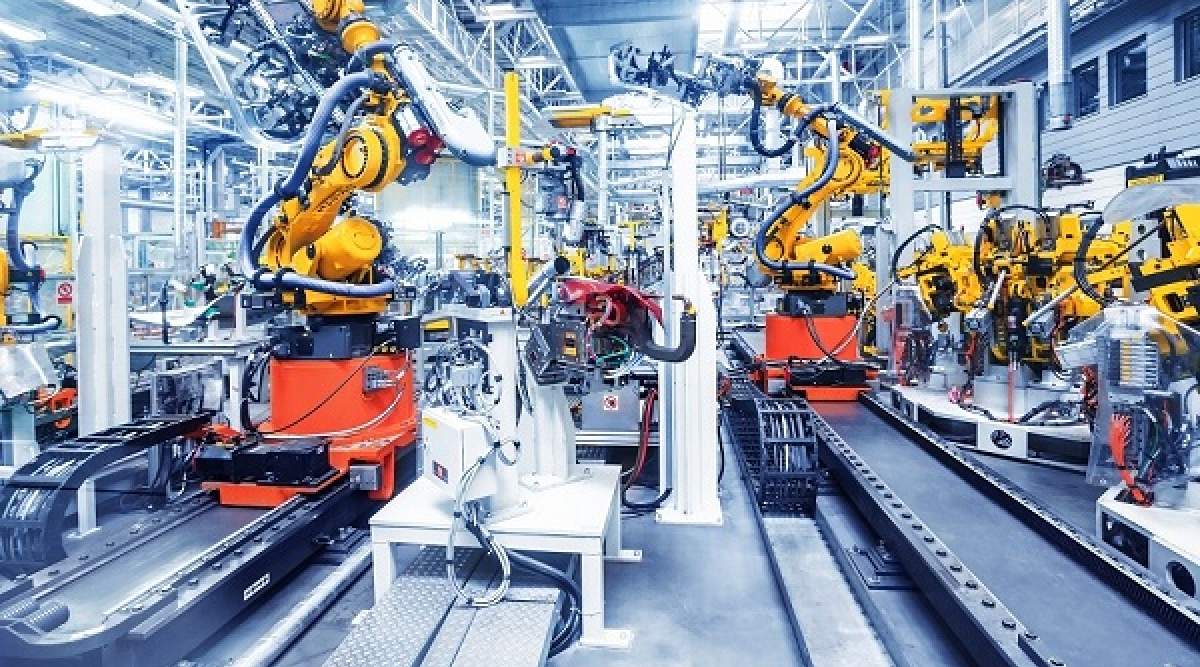
What Are Contact Position Sensors and How They Work
Position sensing is one of the fundamental building blocks of industrial automation. Whether a machine is moving a conveyor, opening a valve, positioning a robotic arm, or controlling a pneumatic cylinder, the control system must know the exact location of moving components to operate safely and efficiently. Among the many sensing technologies available today, contact position sensors remain one of the most reliable and cost-effective solutions for detecting physical movement and position. While newer non-contact technologies such as inductive, capacitive, and optical sensors have gained popularity, contact position sensors continue to play a vital role in manufacturing, process control, packaging, material handling, and countless industrial applications. In this guide, we’ll explore what contact position sensors are, how they work, their different types, advantages, limitations, applications, and how to select the right sensor for your automation system.
What Are Contact Position Sensors?
A contact position sensor is a device that detects the position, presence, movement, or displacement of an object through direct physical contact. Unlike non-contact sensors that use electromagnetic fields, light beams, or ultrasonic waves, contact sensors require the target object to physically touch a sensing element before generating a signal. These sensors provide feedback to controllers such as PLCs, allowing machines and automated systems to determine whether a component has reached a specific position. In industrial automation, contact position sensors are commonly used to:
Detect end-of-travel positions
Monitor machine movement
Verify component presence
Control mechanical sequencing
Ensure safe machine operation
Provide feedback to control systems
Because of their simple design and high reliability, contact position sensors remain widely used across many industries.
Why Position Detection Matters in Automation
Modern automation systems depend heavily on accurate position information. For example:
A conveyor system must know when a package reaches a transfer point.
A robotic gripper must verify that it has reached the correct position.
A hydraulic cylinder must indicate when it is fully extended.
A safety gate must confirm that it is completely closed.
Without reliable position sensing, machines would operate blindly, leading to production errors, equipment damage, and safety risks. Position sensors provide the feedback necessary to maintain process control and ensure proper machine operation.
How Contact Position Sensors Work
Contact position sensors operate through direct mechanical interaction between a moving object and the sensor’s actuator. When an object touches the actuator, the sensor changes its electrical state and sends a signal to the control system. The control system then uses that signal to make decisions based on the machine’s programmed logic. Although designs vary among sensor types, the basic operating principle remains similar.
Mechanical Activation
The most common contact sensors use a mechanical actuator. Typical actuators include:
Push buttons
Levers
Roller arms
Spring-loaded plungers
Whisker actuators
When the target object contacts the actuator, internal electrical contacts change state. The sensor then sends either:
An ON signal
An OFF signal
A position status signal
This information allows the control system to determine the object’s location.
Electrical Signal Generation
Inside most contact sensors are electrical contacts that open or close when activated. Two common configurations include:
Normally Open (NO)
The circuit remains open until activation occurs. When the actuator is pressed, the contacts close and current flows through the circuit.
Normally Closed (NC)
The circuit remains closed during normal operation. When activated, the contacts open and interrupt current flow. Many industrial sensors include both NO and NC contacts to provide greater flexibility and diagnostic capability.
Communication with PLCs
In industrial environments, contact position sensors are frequently connected to PLC input modules. The PLC continuously monitors the sensor status. When a position change occurs:
The sensor activates.
The electrical state changes.
The PLC receives the input.
The PLC executes programmed logic.
The machine responds accordingly.
For example, a limit switch may indicate that a machine slide has reached its home position, allowing the next operation to begin.
Types of Contact Position Sensors
Several types of contact position sensors are used throughout industry. Each design is optimized for specific applications and operating environments.
Limit Switches
Limit switches are among the most common contact position sensors used in industrial automation. A limit switch contains a mechanical actuator that changes contact status when touched by a moving object. Common actuator styles include:
Roller lever
Plunger
Side rotary
Adjustable rod
Spring whisker
Limit switches are widely used because they are:
Durable
Inexpensive
Easy to install
Highly reliable
Typical Applications
Conveyor systems
Packaging machinery
Automated assembly equipment
Material handling systems
Machine tools
Micro Switches
Micro switches operate using a snap-action mechanism that changes electrical contacts rapidly. This design provides:
High accuracy
Fast switching response
Long service life
Micro switches are often found in:
Door interlocks
Safety systems
Consumer appliances
Industrial machinery
Because of their compact size, they are ideal where installation space is limited.
Snap-Action Switches
Snap-action switches use an internal spring mechanism to create a rapid transition between contact states. The quick switching action helps minimize electrical arcing and contact wear. These sensors are commonly used where precise and repeatable operation is required.
Mechanical Position Switches
Mechanical position switches are specifically designed to detect machine position. Manufacturers often use them in:
Cranes
Elevators
Hoists
Heavy equipment
Industrial presses
These sensors are typically built to withstand harsh operating environments.
Safety Interlock Switches
Safety interlock switches monitor guards, doors, and access panels. If a guard opens unexpectedly, the switch immediately signals the control system to stop machine operation. Safety interlock switches help facilities comply with safety regulations while protecting personnel from hazardous equipment.
Key Components of a Contact Position Sensor
Although designs vary, most contact position sensors contain similar components. Understanding these components helps technicians troubleshoot failures and select the right sensor.
Actuator
The actuator is the external component that physically contacts the target object. Its design determines how the sensor responds to movement. Common actuator styles include:
Roller lever
Push plunger
Spring rod
Flexible whisker
Housing
The housing protects internal components from environmental conditions. Industrial housings may be constructed from:
Plastic
Aluminum
Zinc alloy
Stainless steel
Heavy-duty housings are commonly used in harsh industrial environments.
Contact Mechanism
The contact mechanism changes electrical state when the actuator moves. High-quality contact systems ensure:
Reliable switching
Long operating life
Consistent performance
Terminals
Electrical terminals provide connection points for control wiring. Common terminal types include:
Screw terminals
Quick-connect terminals
Spring-clamp terminals
Advantages of Contact Position Sensors
Despite advances in non-contact technologies, contact sensors remain widely used because they offer several significant advantages.
Simple Design
Contact sensors operate using straightforward mechanical principles. Their simplicity makes them easy to understand, install, and maintain.
Low Cost
Compared to many advanced sensing technologies, contact position sensors are relatively inexpensive. This makes them attractive for applications requiring large numbers of sensors.
Reliable Operation
Contact sensors provide dependable performance in many industrial environments. When properly installed, they can operate for millions of cycles.
Easy Troubleshooting
Because their operation is straightforward, maintenance personnel can quickly diagnose most issues. Visual inspection often reveals the source of the problem.
Direct Position Verification
Unlike some indirect sensing methods, contact sensors physically verify the presence or position of an object. This direct interaction often provides highly reliable feedback.
Limitations of Contact Position Sensors
Although contact sensors offer many benefits, they also have limitations. Understanding these limitations helps engineers determine when alternative technologies may be more suitable.
Mechanical Wear
Since operation requires physical contact, components eventually wear over time. Repeated activation can affect:
Actuators
Springs
Electrical contacts
Regular maintenance helps extend service life.
Slower Response Times
Mechanical movement generally results in slower response times than electronic sensing technologies. For high-speed automation systems, non-contact sensors may provide better performance.
Potential for Contact Bounce
Mechanical contacts can momentarily open and close during switching. This phenomenon, known as contact bounce, may require filtering within the control system.
Environmental Exposure
Dust, moisture, vibration, and contamination can affect performance if sensors are not properly protected. Selecting sensors with appropriate environmental ratings is essential.
Industrial Applications of Contact Position Sensors
Contact position sensors are used throughout virtually every industrial sector. Their versatility and reliability make them suitable for a wide range of applications.
Manufacturing Automation
Manufacturing equipment frequently uses contact sensors to monitor:
Machine travel limits
Product positioning
Tool locations
Fixture status
These sensors help ensure accurate production processes.
Conveyor Systems
Conveyors rely on contact sensors to detect product movement and positioning. Typical uses include:
Package detection
Transfer point monitoring
Sorting systems
End-of-line verification
Packaging Machinery
Packaging equipment often uses limit switches to coordinate machine sequences. Examples include:
Carton positioning
Product indexing
Safety gate monitoring
Machine homing functions
Robotics and Material Handling
Robotic systems use contact sensors to verify:
End-of-travel positions
Gripper locations
Tool changes
Equipment status
These sensors provide critical feedback during automated operations.
Process Industries
Chemical plants, water treatment facilities, and power generation stations use contact position sensors to monitor:
Valve positions
Damper positions
Gate movements
Mechanical actuators
This feedback supports safe and efficient process control.
How to Select the Right Contact Position Sensor
Choosing the correct sensor requires careful evaluation of the application. Several factors should be considered during selection.
Environmental Conditions
Consider exposure to:
Dust
Moisture
Chemicals
Vibration
Temperature extremes
Choose a sensor with an enclosure rating suitable for the environment.
Mechanical Life
Evaluate the expected number of operating cycles. High-cycle applications require sensors designed for extended service life.
Actuator Style
Select an actuator that matches the movement of the target object. Improper actuator selection can lead to premature failure.
Electrical Requirements
Verify compatibility with:
Control voltage
Current ratings
PLC input requirements
Safety system specifications
Mounting Requirements
Ensure the sensor fits the available installation space and mounting arrangement. Proper mounting improves reliability and accuracy.
Contact Position Sensors vs Non-Contact Position Sensors
Engineers often compare contact sensors with non-contact technologies. Each approach has advantages depending on the application.
| Feature | Contact Sensors | Non-Contact Sensors |
|---|---|---|
| Physical Contact Required | Yes | No |
| Cost | Lower | Higher |
| Mechanical Wear | Present | Minimal |
| Response Speed | Moderate | Fast |
| Installation Complexity | Simple | Moderate |
| Harsh Environment Capability | Good | Excellent |
Many facilities use both technologies depending on operational requirements.
Recommended Related Articles
Frequently Asked Questions (FAQ)
What is a contact position sensor?
A contact position sensor is a device that detects the presence, position, or movement of an object through direct physical contact and generates an electrical signal for a control system.
How does a contact position sensor work?
The sensor operates when a moving object physically activates an actuator, causing internal electrical contacts to change state and send a signal to a controller.
What is the most common type of contact position sensor?
The limit switch is the most widely used contact position sensor in industrial automation applications.
Where are contact position sensors used?
They are commonly used in manufacturing equipment, conveyor systems, packaging machinery, robotics, material handling systems, and process industries.
What is the difference between contact and non-contact position sensors?
Contact sensors require physical interaction with the target object, while non-contact sensors use technologies such as magnetic fields, light, capacitance, or ultrasonic waves to detect position without touching the object.
Are contact position sensors still used in modern automation?
Yes. Despite the growth of non-contact sensing technologies, contact position sensors remain widely used because they are reliable, affordable, simple to install, and effective in many industrial applications.
How long do contact position sensors last?
Service life varies depending on the design and application. Many industrial-grade sensors are rated for millions of operating cycles when properly installed and maintained.
Your One-Stop Source for Reliable Automation & Process Control Equipment
Access trusted process control equipment, expert support, and fast sourcing—all in one place.
-
AC Drives 18,165 Products
-
Butterfly Valve236 Products
-
Circuit Breakers2,226 Products
-
Contactors567 Products
-
Counters78 Products
-
Encoder117 Products
-
Fanuc Main Board1,376 Products
-
Flow Transmitter (Flow meter)552 Products
-
HMI/Touch Screen592 Products
-
Industrial Device Servers125 Products
-
Inverter911 Products
-
Network/Signal2 Products
-
Others4,502 Products
-
Power Supply218 Products
-
Pressure Transmitter146 Products
-
Programmable Logic Controller (PLC)6,290 Products
-
Relay927 Products
-
Sensor2,221 Products
-
Servo Motors & Motor Drives4,675 Products
-
Switch897 Products
-
Timer93 Products
-
Uncategorized1,141 Products
-
Valve Controller & Manifolds17 Products
-
Variable Frequency Drives (VFD)257 Products
-
Yokogawa Remote Indicators16 Products