
What are the main types of pressure sensors
Understanding What Are The Main Types of Pressure Sensors in Factory Automation Control
What are the main types of pressure sensors? and Which pressure sensor is most accurate?
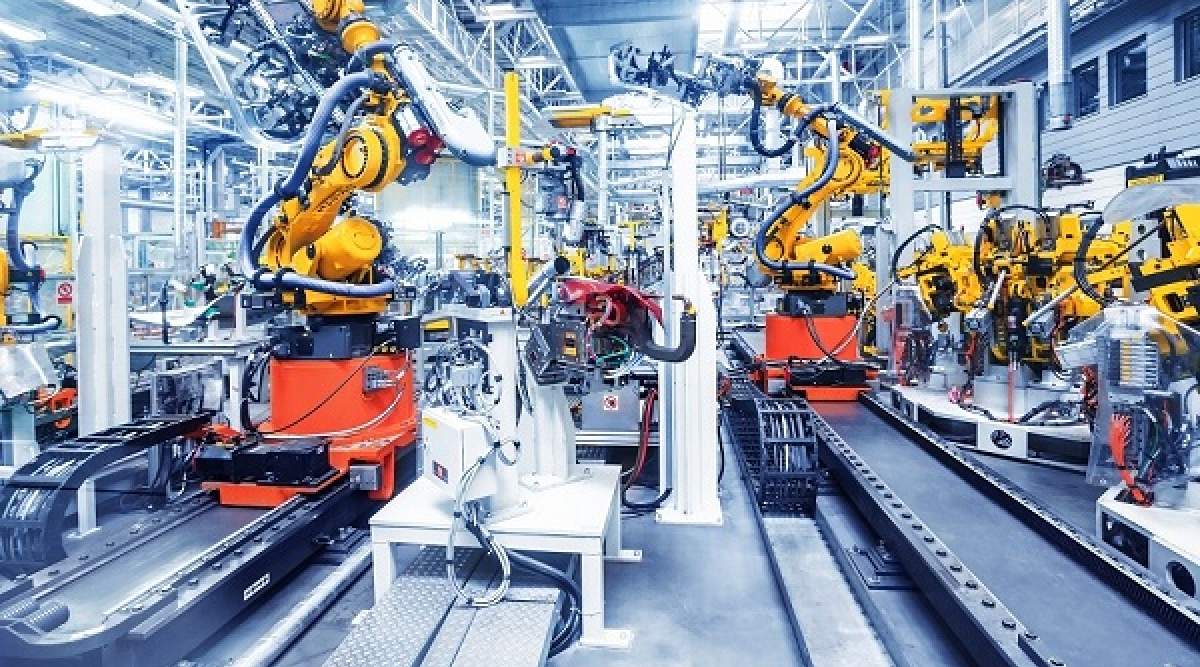
Automation Pyramid Explained: Understanding the Layers of Industrial Automation
Pressure measurement sits at the heart of industrial automation. Whether you’re running a refinery, managing a water treatment plant, or tuning a pneumatic system on a production line, accurate pressure data is what keeps processes stable, safe, and efficient. Yet “pressure sensor” is an umbrella term. In practice, engineers choose from several sensing principles—each with its own strengths, limitations, and ideal use cases. Selecting the wrong type can lead to drift, poor accuracy, premature failure, or costly downtime. This guide breaks down the main types of pressure sensors, explains how they work, compares their performance, and offers practical guidance on where each one fits in real-world applications.
Understanding Pressure Sensors
At a fundamental level, a pressure sensor converts a physical force—pressure—into an electrical signal that can be measured, displayed, or used for control. In industrial environments, these signals feed into control systems such as PLCs or SCADA platforms, where they are used to regulate processes like flow control, tank level monitoring, and equipment protection. Pressure sensors are commonly used to measure:
Gas pressure
Liquid pressure
Vacuum conditions
Differential pressure between two points
While the concept is straightforward, the sensing method can vary significantly depending on the application requirements.
How Pressure Sensors Work
Every pressure sensor follows a similar basic principle:
Pressure is applied to a sensing element
The sensing element deforms or responds physically
This change is converted into an electrical signal
The signal is transmitted to a control or monitoring system
The key difference between sensor types lies in how that physical change is detected and converted into an electrical output.
Types of Pressure Measurement
Before diving into sensor technologies, it’s important to understand the three main pressure reference types:
Absolute Pressure
Measured relative to a perfect vacuum. Common in aerospace and scientific applications.
Gauge Pressure
Measured relative to atmospheric pressure. Used in most industrial and commercial systems.
Differential Pressure
Measures the difference between two pressure points. Widely used in flow measurement and filtration monitoring. Understanding these categories helps narrow down the correct sensor for your application.
Mechanical Pressure Sensors
Mechanical pressure sensors rely on physical deformation to indicate pressure changes. While many are considered “traditional,” they are still widely used due to their simplicity and reliability.
Bourdon Tube Pressure Sensors
How They Work
A Bourdon tube is a curved metal tube that straightens when pressure is applied internally. This movement is mechanically linked to a pointer or sensor output.
Where They Are Used
Industrial pressure gauges
Steam systems
Hydraulic systems
Strengths
Simple and durable
No need for external power
Cost-effective
Limitations
Limited precision compared to electronic sensors
Not suitable for dynamic or rapidly changing pressures
Bourdon tubes remain common in basic pressure monitoring applications where ruggedness matters more than high precision.
Diaphragm Pressure Sensors
How They Work
A diaphragm sensor uses a thin, flexible membrane that deflects when pressure is applied. This deflection is measured mechanically or electronically.
Applications
Low-pressure systems
Gas flow measurement
Clean environments
Strengths
Good sensitivity at low pressures
Suitable for corrosive or hazardous media (with proper materials)
Limitations
Limited range compared to other sensor types
Electronic Pressure Sensors
Electronic pressure sensors dominate modern industrial automation due to their accuracy, flexibility, and compatibility with digital control systems.
Strain Gauge Pressure Sensors
How They Work
Strain gauge sensors measure deformation using resistive elements bonded to a diaphragm. When pressure causes deformation, the electrical resistance changes.
Applications
Industrial automation systems
Load and force measurement
Hydraulic and pneumatic systems
Strengths
High accuracy
Reliable and widely used
Suitable for a wide range of pressures
Limitations
Sensitive to temperature changes
Requires calibration
This is one of the most commonly used pressure sensing technologies in industrial environments.
Capacitive Pressure Sensors
How They Work
Capacitive sensors measure pressure by detecting changes in capacitance between two plates as the diaphragm moves.
Applications
Low-pressure measurement
HVAC systems
Medical equipment
Strengths
Extremely sensitive
Excellent for low-pressure applications
Limitations
Less effective at high pressures
Can be affected by environmental conditions
Piezoelectric Pressure Sensors
How They Work
Piezoelectric sensors generate an electrical charge when subjected to mechanical stress.
Applications
Dynamic pressure measurement
Engine testing
Vibration monitoring
Strengths
Excellent for measuring rapid pressure changes
High frequency response
Limitations
Not suitable for static pressure measurement
Signal conditioning required
These sensors are ideal for applications where pressure changes occur quickly, such as combustion monitoring.
Resonant Pressure Sensors
How They Work
Resonant sensors measure pressure by detecting changes in the resonant frequency of a vibrating element.
Applications
High-precision industrial processes
Aerospace systems
Calibration laboratories
Strengths
Extremely high accuracy
Long-term stability
Limitations
Higher cost
More complex design
Optical Pressure Sensors
Optical pressure sensors represent a newer category of sensing technology, often used in specialized environments.
Fiber Optic Pressure Sensors
How They Work
These sensors use light signals transmitted through optical fibers to detect pressure-induced changes.
Applications
Hazardous environments
Oil and gas exploration
Medical instrumentation
Strengths
Immune to electromagnetic interference
Suitable for extreme environments
Limitations
Higher cost
Complex installation
Comparison of Pressure Sensor Types
Choosing the right pressure sensor requires balancing accuracy, cost, durability, and application requirements.
Accuracy
Highest: Resonant, strain gauge
Moderate: Capacitive
Lower: Mechanical sensors
Pressure Range
Wide range: Strain gauge
Low pressure: Capacitive, diaphragm
Dynamic pressure: Piezoelectric
Cost
Low: Mechanical sensors
Medium: Strain gauge
High: Optical and resonant sensors
Best Use Cases
Industrial automation: Strain gauge
Low-pressure systems: Capacitive
Dynamic environments: Piezoelectric
Hazardous environments: Optical
How to Choose the Right Pressure Sensor
Selecting the right pressure sensor depends on several critical factors.
Pressure Range
Ensure the sensor operates within your required pressure limits.
Accuracy Requirements
High-precision applications require advanced sensing technologies.
Environmental Conditions
Consider temperature, vibration, and exposure to chemicals.
Output Signal
Choose sensors compatible with your control system (analog, digital, etc.).
Maintenance and Reliability
Long-term stability is critical in industrial environments.
In most industrial automation applications, strain gauge-based pressure sensors are the preferred choice due to their balance of accuracy, cost, and reliability.
Recommended Related Articles:
- Industrial Automation Fundamentals
- Industrial Communication Protocols
- Industrial Instrumentation Control
- Industrial Sensors & Measurement
- Motion and Process Control
- PLC Programming & Controllers
- SCADA and DCS Systems
- Servo Motors and Motor Drives
Frequently Asked Questions (FAQ)
What are the main types of pressure sensors?
The main types include mechanical sensors (such as Bourdon tubes and diaphragms) and electronic sensors (such as strain gauge, capacitive, piezoelectric, and resonant sensors), as well as optical pressure sensors.
Which pressure sensor is most accurate?
Resonant and strain gauge pressure sensors are generally considered the most accurate for industrial applications.
What is the difference between a pressure sensor and a pressure transmitter?
A pressure sensor measures pressure, while a pressure transmitter converts that measurement into a standardized signal (such as 4–20 mA) for use in control systems.
Where are piezoelectric pressure sensors used?
They are commonly used in dynamic applications such as engine testing, vibration monitoring, and high-speed pressure measurements.
Which pressure sensor is best for industrial automation?
Strain gauge pressure sensors are widely used in industrial automation due to their reliability, accuracy, and compatibility with control systems.
Can pressure sensors be used in harsh environments?
Yes. Specialized sensors such as fiber optic and diaphragm-based sensors are designed to operate in extreme temperatures, corrosive conditions, and hazardous environments.
Your One-Stop Source for Reliable Automation & Process Control Equipment
Access trusted process control equipment, expert support, and fast sourcing—all in one place.
-
AC Drives 18,165 Products
-
Butterfly Valve236 Products
-
Circuit Breakers2,226 Products
-
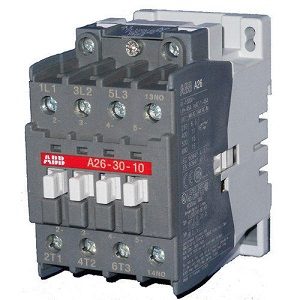
Contactors567 Products
-
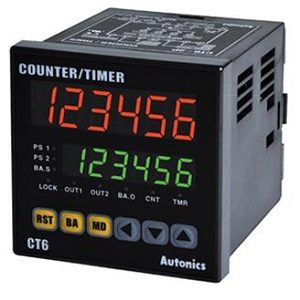
Counters78 Products
-
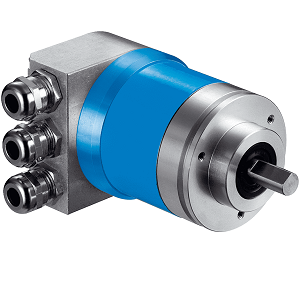
Encoder117 Products
-
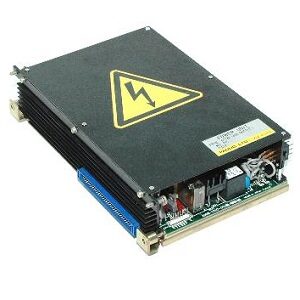
Fanuc Main Board1,376 Products
-
Flow Transmitter (Flow meter)552 Products
-
HMI/Touch Screen592 Products
-
Inverter911 Products
-
Network/Signal4 Products
-
Others4,613 Products
-
Power Supply218 Products
-
Pressure Transmitter146 Products
-
Programmable Logic Controller (PLC)6,290 Products
-
Relay927 Products
-
Sensor2,221 Products
-
Servo Motors & Motor Drives4,499 Products
-
Switch897 Products
-
Timer93 Products
-
Uncategorized1,143 Products
-
Valve Controller & Manifolds15 Products
-
Variable Frequency Drives (VFD)257 Products
-
Yokogawa Remote Indicators16 Products