
Main types of pressure measurement
Understanding What is Pressure Measurement And What Are The Main Types of Pressure Measurement in Factory Automation Control
What is pressure measurement in simple terms? and What are the main types of pressure measurement?
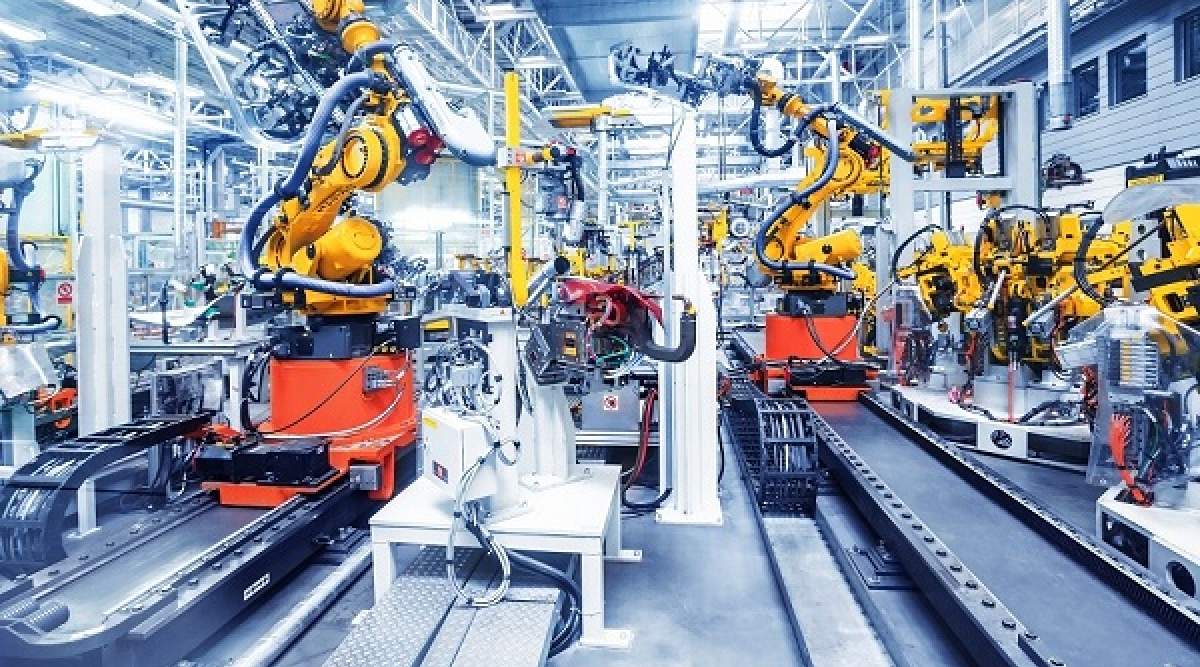
Automation Pyramid Explained: Understanding the Layers of Industrial Automation
Pressure is one of those variables that quietly sits at the center of almost every industrial process. Whether you’re running a refinery, managing a boiler system, or operating a water treatment plant, pressure is not just another measurement—it’s often the variable that tells you whether your process is stable, efficient, or about to fail. In practical terms, pressure measurement is the process of determining the force exerted by a fluid (liquid or gas) per unit area. It is one of the most widely used measurements in industrial instrumentation because it directly or indirectly influences flow, level, density, and even safety systems.
This guide walks through the fundamentals of pressure measurement, the types of pressure, the instruments used, and how everything fits into modern industrial control systems.
Understanding Pressure Measurement
Pressure measurement is the foundation of process control. In industrial environments, it is used not only to monitor pressure itself but also to infer other important variables such as flow rate, liquid level, and density.
At its core, pressure is defined as: Pressure = Force / Area (P = F/A)
This means that the same force applied over a smaller area results in higher pressure, while spreading the force over a larger area reduces pressure.
In industrial systems, pressure is generated by fluids—either gases or liquids—within pipelines, vessels, or equipment. Measuring this pressure accurately is essential for maintaining efficiency, ensuring safety, and optimizing performance.
Why Pressure Measurement Matters in Industry
Pressure is not just a standalone variable—it’s deeply interconnected with other process parameters. In real-world applications, pressure measurement is used to:
Determine flow rate through pressure drop across a restriction
Measure liquid level in tanks via hydrostatic pressure
Calculate density using differential pressure
Monitor system performance and detect faults
Because of this, pressure is often considered the primary process variable in many industries.
Common Units of Pressure
Pressure is measured using several units depending on the region and application. The most common units include:
Pascal (Pa) – SI unit
Bar – widely used in industrial systems
PSI (pounds per square inch) – common in the United States
Torr or mmHg – used in vacuum applications
Industrial systems often require conversion between these units, making unit standardization an important part of engineering practice.
Types of Pressure Measurement
Understanding the different types of pressure is essential because each serves a different purpose in industrial applications.
Gauge Pressure
Gauge pressure is the most commonly measured type of pressure in industrial systems. It is measured relative to atmospheric pressure.
If a pressure gauge reads zero, it means the pressure inside the system is equal to atmospheric pressure—not that there is no pressure at all.
Where It Is Used
Compressed air systems
Hydraulic systems
Pipelines
General industrial processes
Gauge pressure is ideal for applications where the concern is pressure relative to the surrounding environment.
Absolute Pressure
Absolute pressure is measured relative to a perfect vacuum (zero pressure). Unlike gauge pressure, it includes atmospheric pressure in its measurement.
Where It Is Used
Vacuum systems
Aerospace applications
Scientific processes
Gas compression systems
Absolute pressure is critical when atmospheric pressure variations can affect system performance.
Differential Pressure
Differential pressure measures the difference between two pressure points. Instead of referencing atmospheric pressure or vacuum, it compares two pressures directly.
Where It Is Used
Flow measurement (across orifice plates)
Level measurement in tanks
Filter monitoring
Leak detection
Differential pressure is widely used in process industries because it allows engineers to derive multiple variables from a single measurement.
Vacuum Pressure
Vacuum pressure refers to pressure below atmospheric pressure. It is commonly expressed as negative gauge pressure.
Where It Is Used
Vacuum pumps
Distillation systems
Semiconductor manufacturing
Vacuum measurement requires specialized instruments designed to operate in low-pressure environments.
How Pressure Measurement Works
Pressure measurement relies on converting physical force into a readable signal. At a high level, the process involves:
Detecting pressure using a sensing element
Converting the pressure into mechanical movement or electrical signal
Displaying or transmitting the measurement
Modern systems use both mechanical and electronic methods to achieve this.
Mechanical Pressure Measurement
Mechanical pressure instruments rely on elastic elements that deform under pressure. Common mechanisms include:
Bourdon tubes
Diaphragms
Bellows
When pressure is applied, these elements deform proportionally. This movement is then translated into a readable value using mechanical linkages. For example, a Bourdon tube straightens slightly when pressure increases, moving a pointer on a dial.
Electronic Pressure Measurement
Modern industrial systems increasingly rely on electronic pressure measurement. Electronic sensors convert pressure into electrical signals, which can then be transmitted to control systems. These sensors often use technologies such as:
Strain gauges
Piezoelectric elements
Capacitive sensing
Electronic pressure measurement allows integration with automation systems, enabling real-time monitoring and control.
Types of Pressure Measuring Instruments
Industrial environments use a wide range of pressure instruments, from simple gauges to advanced transmitters.
Pressure Gauges
Pressure gauges are the most basic form of pressure measurement. They display pressure locally using a dial and pointer.
Common Types
Bourdon tube gauges
Liquid column manometers
Aneroid gauges
Bourdon gauges remain the most widely used due to their simplicity and reliability.
Pressure Transmitters
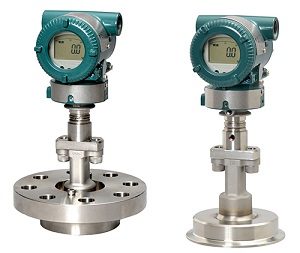
Pressure transmitters are more advanced instruments that convert pressure into an electrical signal. They are commonly used in automated systems where pressure data needs to be transmitted to control systems such as PLCs or SCADA.
Key Features
High accuracy
Remote monitoring capability
Compatibility with industrial communication protocols
Ability to measure gases, liquids, and steam under extreme conditions
Pressure Sensors and Transducers
Pressure sensors detect pressure and convert it into a signal, while transducers typically convert that signal into a standardized output. These devices are widely used in:
Industrial automation systems
Automotive applications
HVAC systems
Medical equipment
They form the backbone of modern digital measurement systems.
Pressure Switches
Pressure switches are used to trigger actions when pressure reaches a specific threshold. For example:
Turning pumps on or off
Activating alarms
Protecting equipment from overpressure
They are simple but critical components in many safety systems.
Manometers
Manometers are among the oldest pressure measurement devices. They use a liquid column to measure pressure differences. While less common in modern industrial systems, they are still used for:
Laboratory measurements
Low-pressure applications
Applications of Pressure Measurement in Industry
Pressure measurement is used across virtually every industrial sector.
Oil and Gas Industry
Pressure instruments monitor pipelines, storage tanks, and processing equipment. They help detect leaks, control flow, and ensure safe operation.
Power Generation
Pressure measurement is essential for monitoring boilers, turbines, and steam systems. Maintaining correct pressure levels ensures efficiency and prevents equipment failure.
Chemical and Process Industries
Pressure is used to control chemical reactions, maintain safety conditions, and optimize production processes.
Water and Wastewater Treatment
Pressure measurement helps monitor pumps, pipelines, and filtration systems.
Manufacturing and Automation
In automated factories, pressure sensors are used in pneumatic systems, robotics, and production lines.
How to Choose the Right Pressure Instrument
Selecting the right pressure instrument requires careful consideration of several factors.
Measurement Range
The instrument must be capable of measuring the expected pressure range without exceeding its limits.
Accuracy Requirements
High-precision applications require more advanced instruments such as pressure transmitters.
Process Conditions
Factors such as temperature, vibration, and corrosive environments affect instrument selection.
Type of Fluid
Different instruments are required for gases, liquids, or aggressive chemicals.
Output Signal Requirements
Modern systems often require digital or analog outputs compatible with control systems.
Recommended Related Articles:
- Industrial Automation Fundamentals
- Industrial Communication Protocols
- Industrial Instrumentation Control
- Industrial Sensors & Measurement
- Motion and Process Control
- PLC Programming & Controllers
- SCADA and DCS Systems
- Servo Motors and Motor Drives
Frequently Asked Questions (FAQ)
What is pressure measurement in simple terms?
Pressure measurement is the process of determining the force exerted by a fluid on a surface, typically expressed as force per unit area.
What are the main types of pressure measurement?
The main types include gauge pressure, absolute pressure, differential pressure, and vacuum pressure.
What instruments are used to measure pressure?
Common instruments include pressure gauges, pressure transmitters, pressure sensors, pressure switches, and manometers.
Why is pressure measurement important in industry?
Pressure measurement is essential for process control, safety, efficiency, and monitoring system performance.
What is the difference between a pressure sensor and a transmitter?
A pressure sensor detects pressure, while a pressure transmitter converts that measurement into a standardized signal for use in control systems.
Which industries rely most on pressure measurement?
Industries such as oil and gas, power generation, chemical processing, manufacturing, and water treatment rely heavily on pressure measurement.
Your One-Stop Source for Reliable Automation & Process Control Equipment
Access trusted process control equipment, expert support, and fast sourcing—all in one place.
-
AC Drives 18,165 Products
-
Butterfly Valve236 Products
-
Circuit Breakers2,226 Products
-
Contactors567 Products
-
Counters78 Products
-
Encoder117 Products
-
Fanuc Main Board1,376 Products
-
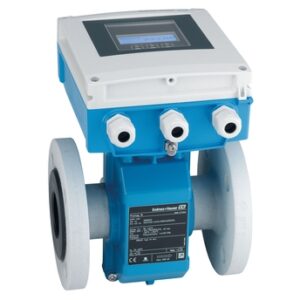
Flow Transmitter (Flow meter)552 Products
-
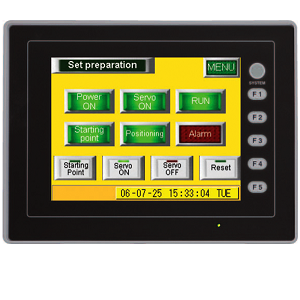
HMI/Touch Screen592 Products
-
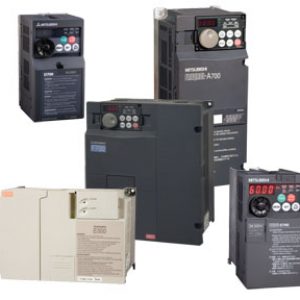
Inverter911 Products
-
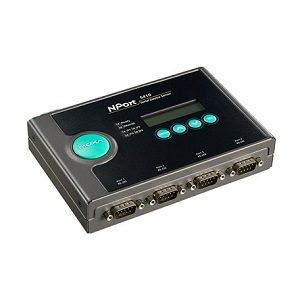
Network/Signal4 Products
-
Others4,613 Products
-
Power Supply218 Products
-
Pressure Transmitter146 Products
-
Programmable Logic Controller (PLC)6,290 Products
-
Relay927 Products
-
Sensor2,221 Products
-
Servo Motors & Motor Drives4,499 Products
-
Switch897 Products
-
Timer93 Products
-
Uncategorized1,143 Products
-
Valve Controller & Manifolds15 Products
-
Variable Frequency Drives (VFD)257 Products
-
Yokogawa Remote Indicators16 Products