What Is Fieldbus Technology Communication Protocol?

What Is Fieldbus Technology Communication Protocol? A Complete Guide for Industrial Automation
Industrial automation has evolved dramatically over the past few decades, and one of the technologies that quietly revolutionized how machines communicate is fieldbus. If you’ve ever walked through a plant and wondered how hundreds—or even thousands—of instruments communicate with control systems efficiently, fieldbus is often part of the answer.
In this guide, we’ll break down what fieldbus technology is, how it works, why it matters, and where it fits in today’s industrial communication landscape.
Understanding Fieldbus Technology Communication Protocol
Fieldbus technology refers to a family of digital communication protocols used in industrial automation to connect field devices—such as sensors, actuators, and controllers—over a shared communication network.
Unlike older systems that required separate wiring for each device, fieldbus allows multiple devices to communicate over a single cable. This shift from point-to-point wiring to a shared digital network significantly reduces installation complexity and improves system efficiency.
At its core, fieldbus functions as a localized industrial network, enabling real-time communication between devices at the field level and higher-level control systems such as PLCs or DCS platforms.
What Is a Fieldbus Protocol?
A fieldbus protocol is essentially the communication language that devices use to exchange data on a fieldbus network. It defines:
- How data is formatted
- How devices communicate
- How errors are detected and handled
- How devices are addressed on the network
Without these protocols, devices from different manufacturers wouldn’t be able to communicate reliably.
Fieldbus protocols ensure that all connected devices follow a standardized method of communication, enabling interoperability across industrial systems.
Key Characteristics of Fieldbus Communication
Fieldbus technology introduced several defining features that distinguish it from traditional communication systems.
Digital, Two-Way Communication
Fieldbus systems use digital signals rather than analog signals, allowing devices to send and receive data simultaneously. This bidirectional communication improves monitoring, diagnostics, and control capabilities.
Multi-Drop Network Architecture
Instead of wiring each device individually, multiple devices share a single communication line. This is known as a multi-drop system, and it dramatically reduces cabling requirements.
Real-Time Data Exchange
Fieldbus systems are designed for real-time communication, ensuring that data is transmitted quickly and predictably—an essential requirement for industrial control systems.
Distributed Control Capability
One of the most powerful aspects of fieldbus is its ability to support distributed control. Devices on the network can perform control functions locally rather than relying entirely on a central controller.
How Fieldbus Technology Works
To understand fieldbus properly, it helps to look at how data flows within an industrial automation system.
At a basic level, fieldbus connects three main components:
- Field devices (sensors and actuators)
- Controllers (PLCs or DCS systems)
- Communication network (the fieldbus itself)
These components interact continuously to monitor and control industrial processes.
Field Devices and Data Collection
Field devices are the starting point of any automation system. These include:
- Pressure transmitters
- Temperature sensors
- Flow meters
- Control valves
Each device collects process data and sends it digitally across the fieldbus network.
Communication Between Devices
In a fieldbus system, devices communicate over a shared cable using predefined protocols.
Communication methods typically include:
- Master-slave communication
- Token passing
- Producer-consumer models
These methods ensure that devices transmit data in an organized and collision-free manner.
Role of Controllers
Controllers such as PLCs receive data from field devices, process it, and send control commands back to actuators.
In advanced fieldbus systems, some control logic can be executed directly at the device level, reducing the load on central controllers and improving system reliability.
Network Topology
Fieldbus networks can be configured in several ways:
- Bus (most common)
- Star
- Tree
- Daisy chain
The most widely used structure is the trunk-and-spur topology, where a main cable runs through the plant and smaller branches connect individual devices.
Types of Fieldbus Communication Protocols
Fieldbus is not a single protocol—it is a category that includes several widely used communication standards.
FOUNDATION Fieldbus
FOUNDATION Fieldbus is designed primarily for process industries such as oil and gas, chemical plants, and power generation. It supports:
- Distributed control at the device level
- Real-time communication
- Integration of multiple field devices
This protocol is particularly strong in applications where reliability and safety are critical.
PROFIBUS
PROFIBUS is one of the most widely used fieldbus protocols globally. It includes two main variants:
- PROFIBUS DP (for factory automation)
- PROFIBUS PA (for process industries)
PROFIBUS is known for its speed, reliability, and flexibility in both manufacturing and process control environments.
Modbus
Modbus is one of the earliest industrial communication protocols and remains widely used today. Its simplicity makes it ideal for:
- Connecting devices from different manufacturers
- Basic industrial communication applications
Despite its age, Modbus continues to play a significant role in industrial automation systems.
HART Protocol
HART (Highway Addressable Remote Transducer) is a hybrid protocol that combines analog and digital communication.
It allows facilities to upgrade to digital communication while still using existing analog wiring systems.
Other Fieldbus Protocols
Additional fieldbus technologies include:
- DeviceNet
- CANopen
- ControlNet
- AS-Interface (AS-i)
Each protocol is designed for specific industrial applications and communication requirements.
Advantages of Fieldbus Technology
Fieldbus technology offers several advantages that have made it a standard in industrial automation.
Reduced Wiring and Installation Costs
One of the most significant benefits of fieldbus is the reduction in cabling.
Instead of running individual wires for each device, multiple devices share a single communication cable. This can reduce installation costs by a substantial margin.
Improved System Flexibility
Fieldbus systems are highly flexible and can be easily expanded.
Adding a new device typically involves connecting it to the existing network rather than installing new wiring infrastructure.
Enhanced Diagnostics and Maintenance
Fieldbus enables advanced diagnostics by allowing devices to transmit detailed status information. This makes it easier to:
- Detect faults
- Predict equipment failures
- Perform preventive maintenance
Better Data Integration
Fieldbus systems allow seamless integration of data across industrial systems, improving decision-making and operational efficiency.
Increased Reliability
Digital communication reduces signal degradation and improves overall system reliability compared to analog systems.
Limitations of Fieldbus Technology
Despite its advantages, fieldbus technology also has some limitations.
Lower Data Speeds Compared to Ethernet
Fieldbus systems typically operate at lower data rates compared to modern industrial Ethernet networks.
This can limit their use in high-speed applications.
Complexity in System Design
Designing and configuring fieldbus systems requires specialized knowledge and expertise.
Compatibility Challenges
Different fieldbus protocols are not always compatible with each other, which can create integration challenges in multi-vendor environments.
Security Considerations
Some traditional fieldbus protocols lack advanced security features, making them vulnerable to cyber threats if not properly managed.
Fieldbus vs Industrial Ethernet
As industrial automation evolves, fieldbus is increasingly compared with industrial Ethernet technologies.
Fieldbus
- Designed for field-level communication
- Lower data rates
- Strong in process industries
- Reliable for distributed control
Industrial Ethernet
- Higher data speeds
- Better suited for large-scale data systems
- Supports modern IIoT applications
In practice, many facilities use a hybrid approach, combining fieldbus at the device level with Ethernet at higher system levels.
Applications of Fieldbus Technology
Fieldbus is widely used across many industrial sectors.
Oil and Gas Industry
Used for monitoring and controlling pipelines, refineries, and offshore platforms.
Chemical and Process Industries
Fieldbus enables precise control of temperature, pressure, and flow in chemical processes.
Manufacturing Industry
Used in production lines to connect machines, sensors, and controllers.
Power Generation
Fieldbus systems monitor and control turbines, boilers, and generators.
Water and Wastewater Treatment
Used for process control and monitoring of treatment systems.
Recommended Related Articles:
https://www.automationpioneer.com/news/plc-programming-basics
PLC Programming Basics
https://www.automationpioneer.com/news/what-is-scada-system
What Is SCADA System
https://www.automationpioneer.com/news/plc-vs-dcs
PLC vs DCS Explained
https://www.automationpioneer.com/news/types-of-industrial-sensors
Types of Industrial Sensors
https://www.automationpioneer.com/news/industrial-communication-protocols
Industrial Communication Protocols Guide
https://www.automationpioneer.com/news/industrial-iot-guide
Industrial IoT Guide
https://www.automationpioneer.com/news/flow-measurement-technologies
Flow Measurement Technologies
https://www.automationpioneer.com/news/pressure-transmitters-guide
Pressure Transmitters Explained
Frequently Asked Questions (FAQ)
What is fieldbus technology in simple terms?
Fieldbus technology is a digital communication system that allows multiple industrial devices—such as sensors and controllers—to communicate over a single shared network instead of using separate wiring for each device.
What is the main purpose of fieldbus?
The main purpose of fieldbus is to improve communication between field devices and control systems, reduce wiring complexity, and enable real-time data exchange in industrial automation.
What are examples of fieldbus protocols?
Common fieldbus protocols include:
- FOUNDATION Fieldbus
- PROFIBUS
- Modbus
- HART
- DeviceNet
- CANopen
What is the difference between fieldbus and Ethernet?
Fieldbus is typically used for device-level communication with lower data speeds, while industrial Ethernet is used for high-speed communication and integration with modern digital systems.
Is fieldbus still used today?
Yes. Fieldbus is still widely used in many industries, especially in process industries such as oil and gas, chemical processing, and power generation. Many facilities use fieldbus alongside industrial Ethernet in hybrid systems.
Why did fieldbus replace analog systems?
Fieldbus replaced analog systems because it reduced wiring, enabled digital communication, improved diagnostics, and allowed multiple devices to communicate over a single network.
-
AC Drives 18,160 Products
-
Butterfly Valve236 Products
-
Circuit Breakers2,226 Products
-
Contactors567 Products
-
Counters78 Products
-
Encoder117 Products
-
Fanuc Main Board1,376 Products
-
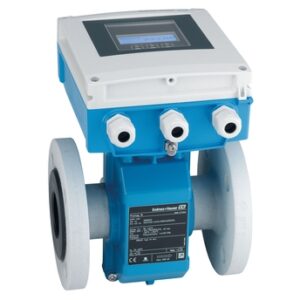
Flow Transmitter (Flow meter)286 Products
-
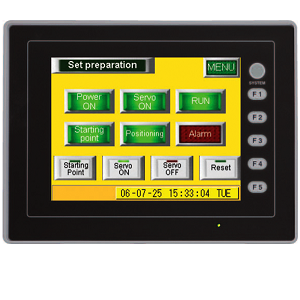
HMI/Touch Screen592 Products
-
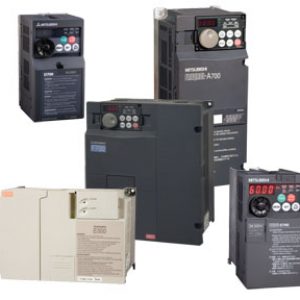
Inverter911 Products
-
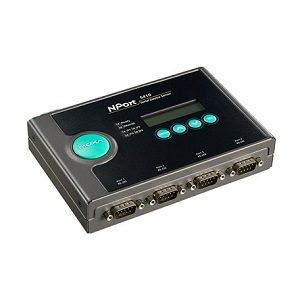
Network/Signal4 Products
-
Others4,668 Products
-
Power Supply218 Products
-
Pressure Transmitter143 Products
-
Programmable Logic Controller (PLC)6,288 Products
-
Relay927 Products
-
Sensor2,221 Products
-
Servo Motors & Motor Drives4,363 Products
-
Switch897 Products
-
Timer93 Products
-
Uncategorized1,148 Products
-
Valve Controller & Manifolds15 Products
-
Variable Frequency Drives (VFD)258 Products
-
Yokogawa Remote Indicators16 Products