Disadvantages of Industrial Automation
Disadvantages of Industrial Automation: Challenges Every Industry Should Understand
Industrial automation has transformed manufacturing, logistics, and process industries around the world. Modern factories rely on robotics, programmable controllers, sensors, and software platforms to improve efficiency and productivity. Automation allows companies to produce goods faster, maintain consistent quality, and reduce operational risks.
However, despite its many advantages, industrial automation is not without drawbacks. Implementing automated systems can introduce economic, technical, and social challenges that organizations must carefully evaluate before making major investments.
Understanding the disadvantages of industrial automation helps companies make balanced decisions and develop strategies that maximize the benefits while minimizing potential risks. This article explores the most important limitations of automation in industrial environments and how these challenges affect businesses and the workforce.
Understanding the Downsides of Industrial Automation
Automation technologies are designed to improve productivity and operational efficiency. Automated systems typically perform manufacturing processes with high precision and consistency, often reducing variability compared with manual work.
Yet every technological advancement comes with trade-offs. While automation can increase output and streamline production, it can also introduce issues related to cost, workforce displacement, system complexity, and technological dependency.
In industrial environments, automation systems often involve complex networks of machinery, controllers, sensors, and software. Maintaining these systems requires specialized expertise, significant capital investment, and careful operational planning.
For organizations considering automation, it is essential to understand the potential disadvantages before deploying large-scale automated systems.
High Initial Investment Costs
The Capital Required for Automation Systems
One of the most significant disadvantages of industrial automation is the high upfront cost required to design, install, and implement automated systems.
Automation technologies often involve expensive components such as:
- Industrial robots
- Programmable logic controllers (PLCs)
- sensors and instrumentation
- machine vision systems
- industrial communication networks
- specialized automation software
The total cost of implementing automation can reach millions of dollars in large manufacturing facilities. Equipment purchase, system integration, engineering design, and installation expenses all contribute to the initial investment.
Automated manufacturing systems can therefore represent a major financial commitment for organizations.
Financial Barriers for Small and Medium Businesses
Large multinational manufacturers often have the capital required to invest in automation. However, smaller companies and startups may struggle to afford these technologies.
For small and medium enterprises (SMEs), the cost of purchasing automation equipment, integrating new systems, and training staff can be difficult to justify financially.
In some cases, businesses must wait years before the return on investment becomes clear.
Job Displacement and Workforce Impact
Automation Replacing Repetitive Jobs
One of the most widely discussed disadvantages of industrial automation is job displacement. Automated machines can perform repetitive tasks faster and more consistently than human workers.
As a result, roles that involve routine activities—such as assembly line work, packaging, and material handling—are often the first to be replaced by machines.
This shift can lead to workforce reductions in certain industries.
Automation replacing human labor has been a longstanding concern, as workers whose jobs are replaced may experience economic and emotional stress during the transition.
Skills Gap in the Automation Era
While automation may reduce some traditional jobs, it also creates demand for new roles such as:
- automation engineers
- robotics technicians
- control system programmers
- maintenance specialists
However, these jobs often require advanced technical skills that displaced workers may not immediately possess.
Without proper training programs and workforce development initiatives, industries may face a significant skills gap.
Dependence on Technology
Risk of System Failures
Automation systems rely heavily on technology to maintain production processes. When these systems function correctly, they improve efficiency and productivity. However, technical failures can disrupt entire manufacturing operations.
If a critical automation component fails—such as a PLC, sensor, or robotic system—production lines may stop completely until the issue is resolved.
Dependence on technology means that a single malfunction can cause significant operational downtime.
Industrial automation systems therefore require reliable infrastructure and robust maintenance strategies.
Production Disruptions During Technical Problems
Manufacturing facilities that rely heavily on automation are particularly vulnerable to system failures.
Examples of issues that may interrupt production include:
- communication failures between controllers and devices
- faulty sensors or actuators
- software errors in control programs
- network connectivity problems
When such problems occur, production can halt until engineers diagnose and repair the system.
Dependence on automated technology therefore introduces operational risks that companies must carefully manage.
Maintenance and Operational Complexity
Continuous Maintenance Requirements
Automated systems require regular maintenance to operate reliably.
Components such as motors, sensors, and robotic arms must be inspected, calibrated, and serviced periodically to prevent equipment failure.
Maintenance activities may include:
- software updates
- equipment calibration
- replacement of worn mechanical parts
- inspection of electrical connections
If maintenance is neglected, automated systems may experience unexpected breakdowns and production delays.
Need for Specialized Technical Expertise
Industrial automation systems are complex and require skilled professionals to design, program, and maintain them.
Organizations adopting automation must often invest in specialized personnel such as:
- control engineers
- robotics technicians
- automation system integrators
However, skilled automation professionals are sometimes in limited supply, making recruitment and training more challenging.
Limited Flexibility in Certain Manufacturing Environments
Automation vs Human Adaptability
Automation systems excel at performing repetitive tasks with precision. However, they may struggle to adapt quickly to unexpected situations or highly customized production requirements.
Humans remain far more adaptable than machines when it comes to problem-solving and creative decision-making.
Even advanced automated systems often lack the flexibility to handle unique or highly complex tasks that require human judgment.
Challenges with Product Changes
Manufacturing companies frequently update product designs or introduce new product variations. In automated production systems, these changes may require reprogramming machines or modifying equipment.
In some cases, production lines must be temporarily shut down while automation systems are reconfigured.
Compared with manual production processes, this lack of flexibility can sometimes limit responsiveness to changing market demands.
Cybersecurity and Data Risks
Increased Exposure to Cyber Threats
Modern automation systems are increasingly connected to digital networks and cloud platforms. These connections enable remote monitoring, predictive maintenance, and data analytics.
However, increased connectivity also introduces cybersecurity risks.
Cyber attacks targeting industrial control systems can disrupt production or compromise sensitive operational data.
Manufacturing companies must therefore implement robust cybersecurity measures to protect automation infrastructure.
Data Privacy and Operational Security
Automated industrial systems generate large volumes of operational data. While this information can improve efficiency and decision-making, it also raises concerns regarding data privacy and security.
Organizations must carefully manage access to industrial data and ensure that sensitive production information is protected from unauthorized access.
Integration Challenges and Implementation Risks
Complex System Integration
Integrating automation into existing industrial facilities can be technically challenging.
Older factories often operate legacy equipment that was not designed to work with modern automation technologies. Integrating new automation systems with older machines may require complex modifications.
This integration process can be time-consuming and expensive.
Implementation Disruptions
During the transition to automation, manufacturing operations may experience temporary disruptions.
Common challenges during implementation include:
- employee training requirements
- system configuration errors
- unexpected compatibility issues
- production downtime during installation
Organizations must carefully plan automation projects to minimize operational disruptions.
Balancing Automation Benefits and Risks
Despite its disadvantages, industrial automation remains a powerful tool for improving manufacturing efficiency.
Companies that successfully implement automation typically adopt a balanced approach that includes:
- strategic investment planning
- workforce retraining programs
- proactive maintenance strategies
- strong cybersecurity protections
When properly implemented, automation can enhance productivity while still supporting a skilled human workforce.
The key is not to eliminate human involvement entirely, but rather to combine human expertise with advanced automation technologies.
Recommended Related Article:
https://www.automationpioneer.com/news/what-is-industrial-automation
What Is Industrial Automation
https://www.automationpioneer.com/news/types-of-industrial-automation-systems
Types of Industrial Automation Systems
https://www.automationpioneer.com/news/plc-programming-basics
PLC Programming Basics
https://www.automationpioneer.com/news/what-is-scada-system
What Is SCADA System
https://www.automationpioneer.com/news/types-of-industrial-sensors
Types of Industrial Sensors
https://www.automationpioneer.com/news/industrial-communication-protocols
Industrial Communication Protocols
https://www.automationpioneer.com/news/industrial-iot-guide
Industrial IoT Guide
https://www.automationpioneer.com/news/pressure-transmitters-guide
Pressure Transmitters Explained
Frequently Asked Questions (FAQ)
What are the main disadvantages of industrial automation?
The main disadvantages include high initial investment costs, job displacement, system complexity, maintenance requirements, and dependence on technology.
Does industrial automation cause job loss?
Automation can replace certain repetitive jobs, particularly in manufacturing and assembly operations. However, it also creates new roles in areas such as engineering, robotics maintenance, and automation programming.
Why is automation expensive?
Automation systems require significant investment in equipment, software, engineering design, and system integration. These costs contribute to the high initial investment required for automation projects.
Can automated systems fail?
Yes. Like any technology, automation systems can experience failures due to equipment malfunction, software errors, or communication issues. Regular maintenance is essential to ensure reliable operation.
Is industrial automation still worth the investment?
In many industries, the long-term benefits of automation—including increased productivity, improved quality, and enhanced safety—often outweigh the disadvantages when systems are implemented strategically.
-
AC Drives 18,160 Products
-
Butterfly Valve236 Products
-
Circuit Breakers2,226 Products
-
Contactors567 Products
-
Counters78 Products
-
Encoder117 Products
-
Fanuc Main Board1,376 Products
-
Flow Transmitter (Flow meter)286 Products
-
HMI/Touch Screen592 Products
-
Inverter911 Products
-
Network/Signal4 Products
-
Others4,668 Products
-
Power Supply218 Products
-
Pressure Transmitter143 Products
-
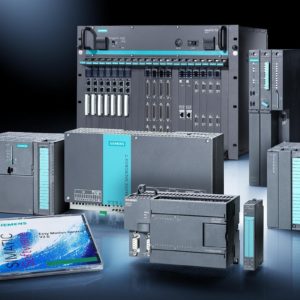
Programmable Logic Controller (PLC)6,288 Products
-
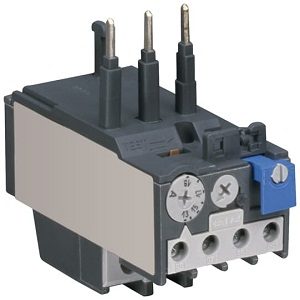
Relay927 Products
-
Sensor2,221 Products
-
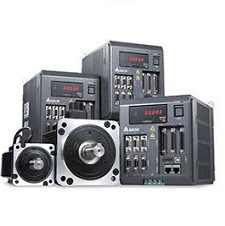
Servo Motors & Motor Drives4,363 Products
-
Switch897 Products
-
Timer93 Products
-
Uncategorized1,148 Products
-
Valve Controller & Manifolds15 Products
-
Variable Frequency Drives (VFD)258 Products
-
Yokogawa Remote Indicators16 Products