How do I choose an ABB drive
Understanding How to Select the Right ABB Drive in Industrial Automation System
How do I choose the right ABB drive?
How Do I Choose an ABB Drive? A Practical Guide for Engineers and Buyers
Selecting the right ABB drive is one of those decisions that looks straightforward on paper—but in practice, it can make or break system performance. Choose correctly, and your system runs efficiently for years. Choose poorly, and you’ll deal with overheating, nuisance trips, or costly downtime.
ABB offers a broad portfolio of variable frequency drives (VFDs), each engineered for specific applications—from simple pump control to complex multi-axis industrial systems. The key is understanding how to match the drive to your application, load characteristics, and operating environment.
This guide walks you through that process step-by-step, the same way an experienced automation engineer would approach it in the field.
Understanding ABB Drives
ABB drives (commonly referred to as VFDs or AC drives) are used to control the speed, torque, and direction of electric motors. Instead of running a motor at full speed all the time, a drive adjusts frequency and voltage to match process requirements.
This delivers several benefits:
- Energy savings (especially in pumps and fans)
- Reduced mechanical wear
- Improved process control
- Soft starting and stopping
ABB organizes its drives into key families:
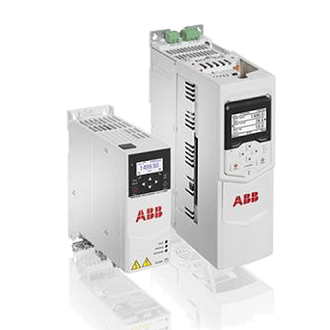
- Micro drives (ACS150)
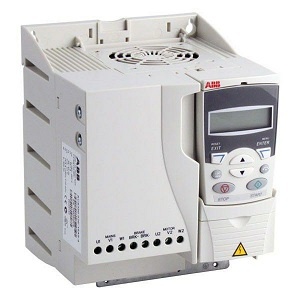
- Machinery drives (ACS355)
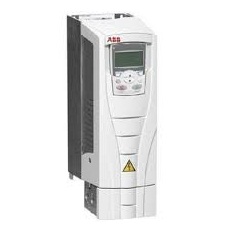
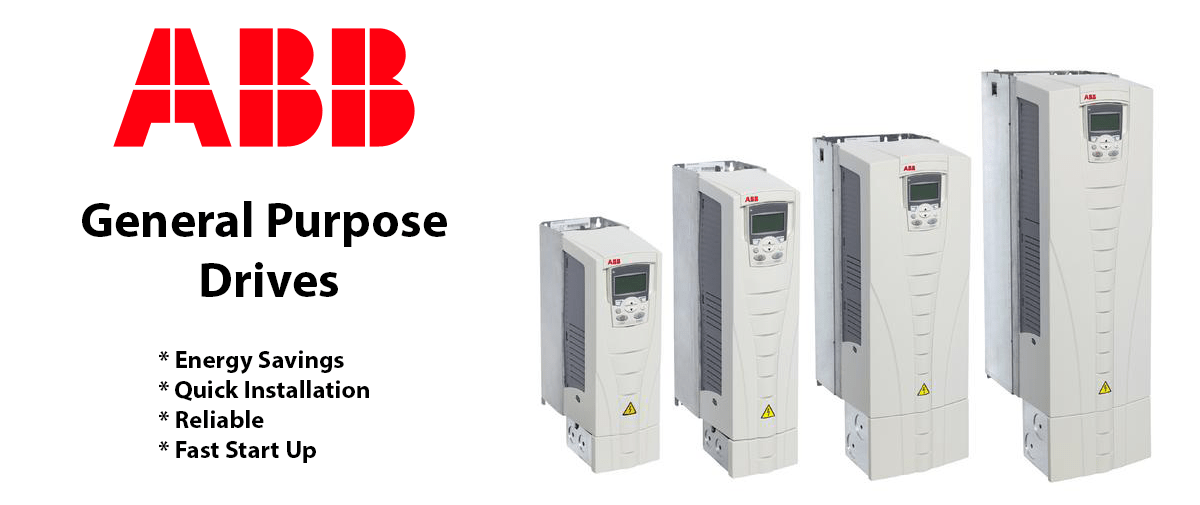
- General purpose drives (ACS580)
- Industrial drives (ACS880)
Each family serves a different level of complexity and performance requirement.
Step 1: Define Your Application Requirements
Before you even look at model numbers, you need to define what the drive will actually do.
Identify the Type of Load
The type of load is the single most important factor in drive selection.
Variable Torque Loads
These include: Pumps, Fans, and HVAC systems
These applications require less torque at lower speeds and benefit significantly from energy savings.
Constant Torque Loads
Examples include: Conveyors, Mixers, and Extruders.
These require consistent torque across the speed range and often demand heavier-duty drives.
Constant Power Loads
Less common but important in: Machine tools, Winders.
These applications require torque to decrease as speed increases.
Why This Matters
ABB drives are designed with different control profiles. For example:
- HVAC-focused drives optimize energy efficiency
- Machinery drives prioritize precision and response
- Industrial drives support high-performance torque control
Choosing the wrong type can lead to inefficiency or system instability.
Step 2: Select the Right ABB Drive Family
Once you understand your application, the next step is choosing the appropriate ABB drive family.
Micro Drives (Compact and Cost-Effective)
Compact, entry-level drive ideal for simple applications like small fans, pumps, and basic machinery. The ACS150 is best suited for:
- Small motors
- Simple automation systems
- Cost-sensitive projects
These drives are easy to install and configure but offer limited advanced features.
Machinery Drives (Flexible OEM Solutions)
Versatile drive designed for OEM machines requiring precision control and flexible programming. The ACS355 is ideal for:
- Packaging machines
- Conveyor systems
- Material handling
It offers better control, built-in application macros, and communication options.
General Purpose Drives (Balanced Performance)
All-around industrial drive designed for pumps, fans, and general applications with built-in energy optimization. The ACS580 is widely used because it:
- Works out-of-the-box with minimal setup
- Includes energy optimization features
- Supports most standard industrial applications
Industrial Drives (High-End Performance)
High-performance drive for demanding industrial applications requiring precise torque and advanced control. The ACS880 is built for:
- Heavy-duty industrial processes
- High-performance motor control
- Complex automation systems
It supports advanced features such as direct torque control (DTC) and extensive communication protocols.
Step 3: Match the Drive to Motor Specifications
A common mistake is selecting a drive based solely on horsepower. That’s not enough.
Key Parameters to Match
You need to align the drive with the motor’s:
- Voltage (e.g., 230V, 480V)
- Current rating (FLA – full load amps)
- Power rating (HP or kW)
- Frequency (50/60 Hz)
Current vs Power Selection
Always prioritize current rating over horsepower.
Why? Because motors in real-world conditions may draw more current than their nominal rating due to: Overloads, Temperature variations, and Process demands.
Choosing a drive with sufficient current capacity ensures reliable operation.
Oversizing Considerations
In certain applications, you may need to oversize the drive:
- High starting torque loads
- Frequent starts/stops
- Harsh environments
A slightly oversized drive improves durability and reduces thermal stress.
Step 4: Consider Control Requirements
Not all applications require the same level of control sophistication.
Scalar Control (V/Hz)
Best for: Pumps, Fans, and Simple conveyors.
This is the simplest control method and works well for basic applications.
Vector Control
Used when you need: Better torque control, Faster response, and More precision.
Common in machinery applications.
Direct Torque Control (DTC)
ABB’s signature technology available in higher-end drives like ACS880. Benefits include:
- Extremely fast torque response
- High accuracy
- No need for encoder in many cases
Ideal for demanding industrial processes.
Step 5: Evaluate Environmental Conditions
Drives don’t operate in ideal lab conditions—they run in real industrial environments.
Key Environmental Factors
Temperature
High temperatures reduce drive lifespan.
Dust and Contamination
Factories often expose drives to: Dust, Oil, Moisture.
Enclosure Ratings
Choose appropriate protection:
- IP20 (standard indoor)
- IP55 / NEMA 12 (harsh environments)
Cooling and Ventilation
Ensure proper airflow around the drive. Overheating is one of the most common causes of drive failure.
Step 6: Communication and Integration
Modern automation systems require drives to communicate with other equipment.
Common Communication Protocols
- Modbus
- Profibus
- Profinet
- EtherNet/IP
If your system uses a PLC or SCADA system, your drive must support compatible communication.
Integration with Automation Systems
For deeper understanding, see:
- https://www.automationpioneer.com/news/plc-programming-basics
- https://www.automationpioneer.com/news/industrial-communication-protocols
These integrations are critical for: Remote monitoring, Diagnostics, Process control.
Step 7: Application-Specific Features
ABB drives often include specialized features depending on the application.
For Pumps and Fans
Look for: Energy optimization, Sleep mode, and Flow control.
For Machinery
Focus on: Fast response time, Position control, Built-in safety features.
For Heavy Industry
You’ll need: High overload capacity, Advanced torque control, and Robust communication options.
Product Comparison Table (Popular ABB Drives)
| Feature | ABB ACS150 Micro Drive | ABB ACS355 Machinery Drive | ABB ACS580 General Purpose Drive | ABB ACS880 Industrial Drive |
|---|---|---|---|---|
| Best Use | Simple applications | OEM machines | General industrial use | Heavy industrial |
| Power Range | Low | Medium | Medium–High | High |
| Control Type | Basic V/Hz | Vector | Vector | DTC (advanced) |
| Complexity | Low | Medium | Medium | High |
| Flexibility | Limited | High | High | Very High |
| Cost | Low | Medium | Medium | High |
- Industrial Automation Fundamentals
- Industrial Communication Protocols
- Industrial Instrumentation Control
- Industrial Sensors & Measurement
- Motion and Process Control
- PLC Programming & Controllers
- SCADA and DCS Systems
- Servo Motors and Motor Drives
Even experienced engineers make these mistakes:
- Selecting based on horsepower instead of current
- Ignoring environmental conditions
- Choosing the wrong control method
- Overlooking communication requirements
- Undersizing for heavy loads
Avoiding these pitfalls can significantly improve system reliability.
Frequently Asked Questions (FAQ)
How do I choose the right ABB drive?
Start by identifying your application type (pump, conveyor, machine), then match the drive based on motor specifications, control requirements, and environmental conditions.
What is the difference between ACS580 and ACS880?
The ACS580 is a general-purpose drive designed for standard applications, while the ACS880 is a high-performance industrial drive with advanced control features like direct torque control.
Should I size a drive based on HP or amps?
Always size based on current (amps), not just horsepower, to ensure reliable performance under real operating conditions.
Which ABB drive is best for pumps?
The ACS580 is typically the best choice for pump and fan applications due to its energy optimization features and ease of use.
Can ABB drives communicate with PLC systems?
Yes, most ABB drives support industrial communication protocols such as Modbus, Profinet, and EtherNet/IP, allowing seamless integration with PLC and SCADA systems.
Do I need an industrial drive or a machinery drive?
If your application involves heavy-duty processes or precise torque control, choose an industrial drive like ACS880. For OEM machines and general automation, ACS355 is often sufficient.