
PLC vs SCADA
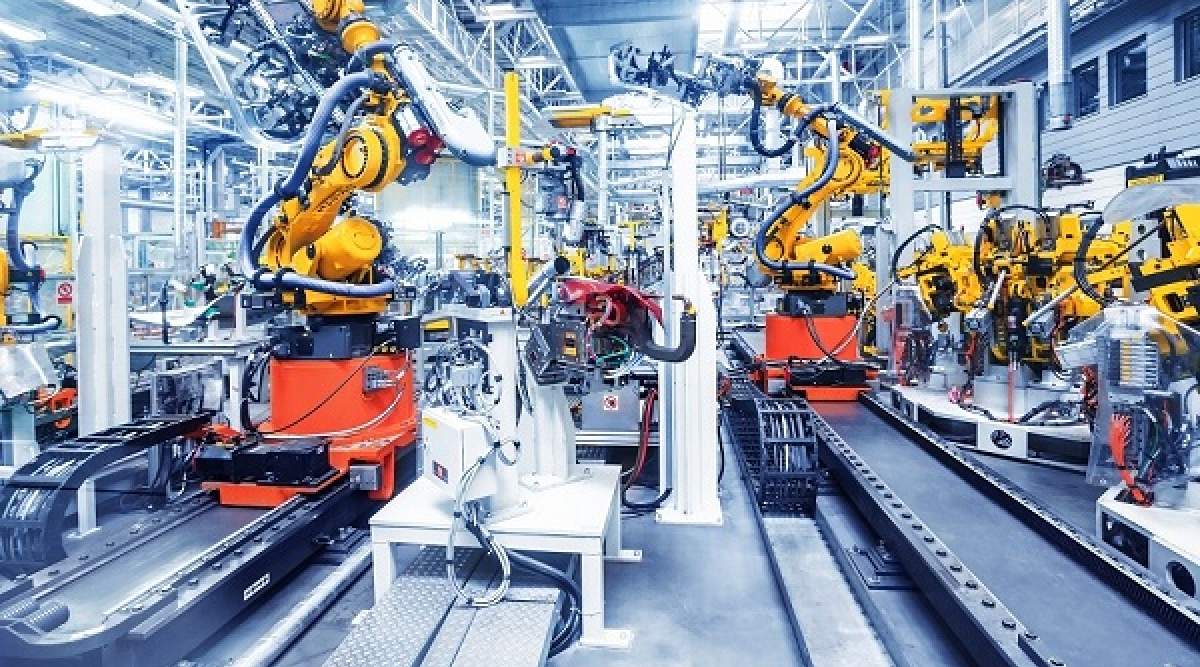
PLC vs SCADA: Understanding the Key Differences in Industrial Automation
Industrial automation systems rely on several technologies to control and monitor complex processes. Among the most important are Programmable Logic Controllers (PLCs) and Supervisory Control and Data Acquisition (SCADA) systems. While these two technologies are often mentioned together, they serve very different roles within an automation architecture.
Understanding the difference between PLC and SCADA is essential for engineers, technicians, and anyone working with modern manufacturing systems. In simple terms, PLCs are responsible for controlling machines and processes in real time, while SCADA systems provide higher-level monitoring, visualization, and supervisory control across entire facilities.
In this guide, we’ll explore how PLC and SCADA systems work, how they differ, and how they complement each other in modern industrial environments.
Understanding PLC and SCADA in Industrial Automation
Industrial automation systems are typically organized into multiple layers. At the lowest level are sensors and actuators that interact with physical equipment. Above this layer are controllers that execute control logic, and above them are supervisory systems that allow operators to monitor and manage operations.
PLCs and SCADA occupy different layers within this architecture.
A Programmable Logic Controller (PLC) is a rugged industrial computer designed to control specific machines or processes. It receives signals from sensors, executes programmed logic, and sends commands to devices such as motors, valves, and relays.
A SCADA system, on the other hand, collects data from multiple controllers and presents it to operators through dashboards and graphical interfaces. It enables operators to monitor entire production systems and respond to abnormal conditions.
Rather than replacing each other, PLC and SCADA systems work together to create a complete automation solution.
What Is a PLC (Programmable Logic Controller)?
Role of PLCs in Industrial Control
A PLC is a specialized industrial computer designed to automate machines and processes. Unlike standard computers, PLCs are built to operate reliably in harsh environments where high temperatures, electrical noise, and vibrations are common.
PLCs continuously monitor input signals from sensors and execute control logic based on those inputs. The results of these decisions are then transmitted to output devices such as motors, pumps, and valves.
Because PLCs operate in real time, they can respond to changes in milliseconds, making them ideal for machine control applications.
Typical PLC tasks include:
Controlling conveyor systems
Managing industrial robots
Regulating motor operations
Monitoring safety systems
Controlling pumps and valves
Main Components of a PLC System
A PLC system typically includes several essential hardware components.
CPU (Central Processing Unit)
The CPU is the brain of the PLC. It executes the control program and processes input signals from sensors.
Input and Output Modules
Input modules receive signals from sensors such as switches, temperature sensors, or pressure transmitters. Output modules send commands to actuators like motors or solenoid valves.
Programming Interface
Engineers use programming software to configure PLC logic. Common PLC programming languages include ladder logic, function block diagrams, and structured text.
Common Applications of PLC Systems
PLCs are widely used in industries that require precise machine control.
Typical applications include:
automotive manufacturing lines
packaging systems
water treatment plants
food processing facilities
power generation systems
These systems require fast, reliable control—something PLCs are specifically designed to deliver.
What Is a SCADA System?
The Role of SCADA in Industrial Operations
SCADA stands for Supervisory Control and Data Acquisition. Unlike PLCs, which control individual machines, SCADA systems provide a centralized platform for monitoring and managing industrial operations.
SCADA collects operational data from PLCs, sensors, and other devices across an entire facility or network. This data is then displayed through graphical dashboards that allow operators to monitor performance in real time.
Operators can view information such as:
equipment status
temperature and pressure levels
production metrics
system alarms
historical performance trends
Because of this visibility, SCADA systems help engineers make informed decisions and optimize operations.
Key Components of a SCADA System
A typical SCADA architecture includes several major components.
Human-Machine Interface (HMI)
The HMI is the visual interface that operators use to monitor industrial processes. It displays process diagrams, alarms, and real-time data.
SCADA Server
The SCADA server collects and processes data from multiple controllers and devices.
Communication Network
Communication protocols such as Modbus, Ethernet/IP, or OPC connect PLCs, sensors, and SCADA servers.
Data Historian
Many SCADA systems include databases that store historical process data for analysis and reporting.
Typical SCADA Applications
SCADA systems are commonly used in industries that require large-scale monitoring.
Examples include:
power generation and distribution
water and wastewater treatment systems
oil and gas pipelines
manufacturing plants
transportation infrastructure
In these environments, operators must monitor large systems spread across multiple locations.
Key Differences Between PLC and SCADA
Although PLC and SCADA systems are closely related, they serve very different purposes in automation systems.
Control vs Supervision
The most fundamental difference lies in their roles.
PLCs perform direct machine control, while SCADA systems provide supervisory monitoring and management across an entire system.
For example, a PLC might control the speed of a conveyor belt, while SCADA displays production data from multiple conveyors across the facility.
Scope of Operation
PLCs typically control individual machines or processes within a plant.
SCADA systems operate at a much higher level, providing an overview of multiple machines, production lines, or even entire facilities.
This broader scope makes SCADA ideal for large industrial environments.
Data Processing and Storage
PLCs process input signals and execute control logic quickly but have limited data storage capacity.
SCADA systems, in contrast, are designed to collect and analyze large volumes of data from multiple devices. They can store historical data, generate reports, and track system performance over time.
User Interaction
PLCs operate automatically with minimal human interaction once programmed.
SCADA systems, however, provide operators with dashboards, alarm notifications, and control interfaces that allow them to monitor and influence system behavior.
System Complexity
PLCs are typically used for localized control tasks.
SCADA systems manage more complex industrial environments involving multiple machines, production lines, or geographically distributed infrastructure.
How PLC and SCADA Work Together
In most industrial environments, PLC and SCADA systems are not competing technologies. Instead, they form complementary parts of the same automation architecture.
A typical automation structure works like this:
Sensors collect process data from machines.
PLCs receive this data and execute control logic.
SCADA systems gather data from PLCs across the facility.
Operators monitor system performance through SCADA dashboards.
For example, in a water treatment facility:
PLCs control pumps, valves, and filtration systems.
SCADA systems monitor water levels, pressure, and flow across the entire plant.
If a SCADA system detects abnormal conditions, operators can send commands back to the PLC to adjust operations.
This integration improves efficiency, reliability, and safety across industrial operations.
When to Use PLC or SCADA
Choosing between PLC and SCADA depends on the scale and complexity of the automation system.
PLC is ideal when:
controlling individual machines
managing fast real-time processes
implementing machine-level automation
operating standalone equipment
SCADA is ideal when:
monitoring entire facilities
collecting large amounts of process data
providing dashboards and alarms
coordinating multiple PLC systems
In most modern facilities, both technologies are used together.
Advantages of PLC Systems
PLCs offer several benefits for industrial automation.
extremely reliable hardware designed for industrial environments
fast real-time response
flexible programming capabilities
easy integration with sensors and actuators
Because of these advantages, PLCs are widely used in machine control and manufacturing automation.
Advantages of SCADA Systems
SCADA systems offer benefits that extend beyond machine control.
centralized monitoring of entire facilities
real-time visualization of operations
historical data storage and analysis
alarm management and reporting
These features allow operators to make better operational decisions and improve system performance.
Recommended Related Articles:
https://www.automationpioneer.com/news/what-is-industrial-automation
What Is Industrial Automation
https://www.automationpioneer.com/news/types-of-industrial-automation-systems
Types of Industrial Automation Systems
https://www.automationpioneer.com/news/plc-programming-basics
PLC Programming Basics
https://www.automationpioneer.com/news/industrial-communication-protocols
Industrial Communication Protocols
https://www.automationpioneer.com/news/types-of-industrial-sensors
Types of Industrial Sensors
https://www.automationpioneer.com/news/industrial-iot-guide
Industrial IoT Guide
https://www.automationpioneer.com/news/flow-measurement-technologies
Flow Measurement Technologies
https://www.automationpioneer.com/news/pressure-transmitters-guide
Pressure Transmitters Explained
Frequently Asked Questions (FAQ)
What is the main difference between PLC and SCADA?
The main difference is their function. PLCs control machines and processes directly, while SCADA systems monitor and supervise entire industrial operations.
Can SCADA work without a PLC?
In most industrial applications, SCADA systems rely on PLCs or other controllers to perform real-time control tasks. SCADA primarily collects data and provides monitoring capabilities.
Which is better: PLC or SCADA?
Neither is better—they serve different roles. PLCs handle real-time machine control, while SCADA provides system-wide monitoring and data visualization.
Do PLC and SCADA work together?
Yes. PLCs control equipment at the machine level, and SCADA systems collect data from PLCs to monitor and manage entire facilities.
Which industries use PLC and SCADA systems?
Industries that commonly use PLC and SCADA technologies include manufacturing, oil and gas, water treatment, energy production, and transportation infrastructure.
-
AC Drives 18,160 Products
-
Butterfly Valve236 Products
-
Circuit Breakers2,226 Products
-
Contactors567 Products
-
Counters78 Products
-
Encoder117 Products
-
Fanuc Main Board1,376 Products
-
Flow Transmitter (Flow meter)286 Products
-
HMI/Touch Screen592 Products
-
Inverter911 Products
-
Network/Signal4 Products
-
Others4,668 Products
-
Power Supply218 Products
-
Pressure Transmitter143 Products
-
Programmable Logic Controller (PLC)6,288 Products
-
Relay927 Products
-
Sensor2,221 Products
-
Servo Motors & Motor Drives4,363 Products
-
Switch897 Products
-
Timer93 Products
-
Uncategorized1,148 Products
-
Valve Controller & Manifolds15 Products
-
Variable Frequency Drives (VFD)258 Products
-
Yokogawa Remote Indicators16 Products