
Advantages of Industrial Automation
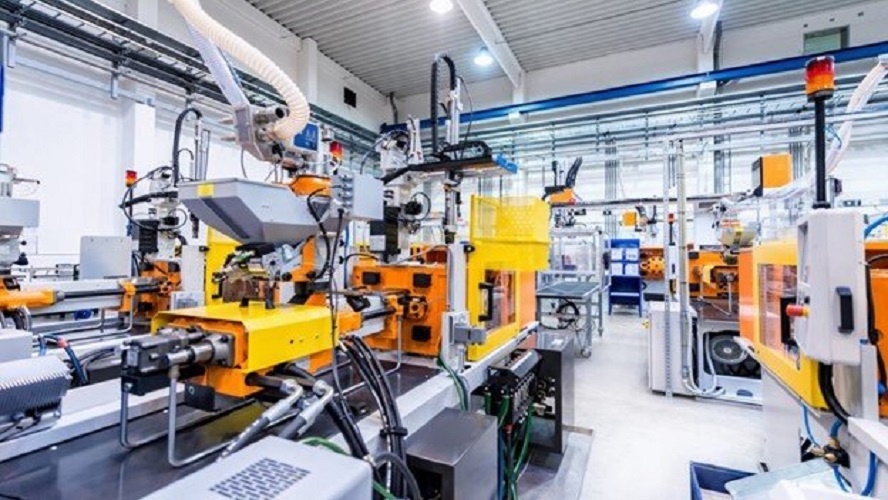
Advantages of Industrial Automation: Why Modern Industries Are Embracing Automation
Industrial automation has become one of the most influential technological shifts in modern manufacturing and process industries. From automotive assembly plants to pharmaceutical production facilities, automation systems are transforming how companies produce goods, manage operations, and ensure safety.
At its core, industrial automation uses control systems, robotics, sensors, and software to perform tasks that were once handled manually. These technologies allow machines to monitor processes, analyze production data, and adjust operations automatically. The result is a more efficient, reliable, and scalable production environment.
Industries adopt automation for many reasons, but the most compelling driver is the ability to improve productivity, quality, and operational efficiency. Automated systems can run continuously, maintain consistent performance, and reduce variability in manufacturing processes.
In this guide, we’ll explore the major advantages of industrial automation, explain why it has become essential for modern manufacturing, and examine how it benefits businesses across multiple industries.
Understanding Industrial Automation in Modern Industry
Industrial automation refers to the use of technology to control and monitor industrial processes with minimal human intervention. Automated systems typically consist of several interconnected components such as sensors, programmable logic controllers (PLCs), industrial robots, and supervisory control software.
These systems continuously collect operational data and use that information to make real-time decisions. For example, an automated production line might detect a temperature change in a furnace and automatically adjust heating levels to maintain product quality.
Automation has evolved significantly over the last few decades. Early manufacturing relied heavily on manual labor and mechanical machines. Today, factories increasingly rely on digital technologies such as industrial networks, smart sensors, and data analytics to create intelligent manufacturing environments.
The adoption of automation is accelerating as industries face growing pressure to improve productivity, reduce operational costs, and maintain consistent product quality in competitive global markets.
Increased Productivity and Production Efficiency
One of the most significant advantages of industrial automation is the dramatic improvement in productivity. Automated machines can operate continuously without fatigue, breaks, or shift limitations.
Unlike human workers, automated systems can run 24 hours a day, seven days a week, which significantly increases manufacturing output.
Continuous Production and Reduced Downtime
Automation allows production lines to operate continuously with minimal interruptions. Automated equipment performs repetitive tasks faster and more accurately than manual labor, enabling manufacturers to increase production rates.
Many modern automation systems also include predictive maintenance features. Sensors monitor equipment performance and detect potential problems before they cause failures. This capability helps prevent costly downtime and keeps production running smoothly.
Faster Manufacturing Cycles
Automation also accelerates production cycles. Robots and automated machines can perform tasks such as assembly, welding, packaging, and inspection much faster than humans.
Because these machines operate with precise timing and synchronization, production processes become more streamlined and efficient. This allows companies to meet market demand faster and deliver products to customers more quickly.
Improved Product Quality and Consistency
Maintaining consistent product quality is essential in modern manufacturing. Automated systems provide a level of precision and repeatability that is difficult to achieve through manual operations.
Automation ensures that each product is manufactured according to the same specifications every time. By eliminating human variability, manufacturers can achieve tighter quality control and reduce the number of defective products.
Precision and Accuracy in Manufacturing
Automated equipment performs tasks using programmed instructions and calibrated control systems. This precision ensures that every step of the production process is executed with high accuracy.
For example, automated machining systems can cut materials with tolerances measured in microns, while robotic assembly systems can position components with extreme precision.
This level of accuracy is particularly important in industries such as aerospace, electronics, and medical device manufacturing, where even minor defects can lead to significant problems.
Reduced Defects and Material Waste
Another advantage of automation is the ability to minimize manufacturing errors. Automated systems monitor production processes continuously and detect deviations from standard operating conditions.
If a problem occurs, the system can immediately stop production or make adjustments to correct the issue. This reduces the number of defective products and prevents wasted materials.
Efficient process control also improves resource utilization, allowing manufacturers to reduce scrap rates and optimize material usage.
Enhanced Workplace Safety
Industrial environments often involve hazardous conditions such as high temperatures, heavy machinery, and exposure to chemicals. Automation helps protect workers by performing dangerous tasks that would otherwise pose safety risks.
Machines and robots can safely handle tasks such as lifting heavy materials, operating in extreme temperatures, or working with hazardous substances.
Removing Workers from Hazardous Environments
Automation allows companies to remove employees from dangerous working conditions. Instead of performing physically demanding or risky tasks, workers can supervise automated systems and focus on higher-level responsibilities.
This reduces workplace injuries and improves overall working conditions.
For example, robotic welding systems in automotive factories perform high-temperature welding operations while human operators monitor the process from a safe distance.
Improved Safety Monitoring Systems
Modern automation systems often include integrated safety technologies such as:
- emergency shutdown systems
- machine safety sensors
- automated alarms
- protective barriers
These safety features help prevent accidents and ensure that equipment operates within safe limits.
Automation therefore plays a critical role in creating safer industrial workplaces.
Reduced Operational Costs
While implementing industrial automation requires an initial investment, it often results in significant long-term cost savings.
Automation reduces labor requirements, minimizes production errors, and improves energy efficiency. These factors contribute to lower overall operating costs for manufacturing companies.
Automation systems also optimize production processes and reduce waste, allowing manufacturers to use resources more efficiently.
Lower Labor Costs
Automation can replace manual labor for repetitive tasks such as packaging, assembly, or inspection. As a result, companies can reduce the number of workers required for routine operations.
This does not necessarily mean job losses. Instead, many workers transition into roles such as system monitoring, maintenance, and process optimization.
Reduced Material Waste
Because automated machines operate with high precision, they reduce errors that lead to wasted materials. For example, automated cutting systems ensure that materials are used efficiently and accurately.
Reducing waste not only lowers costs but also improves sustainability and environmental performance.
Greater Production Flexibility
Modern industrial automation systems are designed to be adaptable and scalable. Manufacturers can quickly adjust production processes to accommodate new products or changing market demands.
This flexibility is particularly valuable in industries where product designs evolve frequently.
Adaptable Manufacturing Systems
Programmable automation systems allow engineers to update machine instructions through software changes. Instead of redesigning entire production lines, companies can modify programs to produce different products.
This capability allows manufacturers to respond quickly to market changes and customer demands.
Scalable Production Capacity
Automation also makes it easier to scale production. If demand increases, companies can add additional automated equipment or expand production lines without significantly increasing labor requirements.
This scalability allows businesses to grow efficiently while maintaining consistent quality and productivity.
Improved Data Collection and Decision-Making
Another major advantage of industrial automation is the ability to collect and analyze production data in real time.
Automation systems continuously monitor process variables and generate valuable data about equipment performance, production efficiency, and product quality.
Real-Time Monitoring and Analytics
Modern automation systems use sensors and software platforms to track key performance indicators such as:
- machine utilization
- production cycle times
- equipment health
- product quality metrics
This information provides valuable insights into manufacturing operations.
Data-Driven Process Optimization
By analyzing production data, manufacturers can identify inefficiencies, detect equipment problems, and optimize production processes.
Data-driven decision-making helps companies improve operational efficiency, reduce downtime, and increase overall productivity.
Stronger Competitive Advantage
Companies that adopt industrial automation often gain a significant competitive advantage in the marketplace.
Automation enables manufacturers to produce higher-quality products at lower costs while maintaining faster production speeds.
These advantages allow businesses to respond quickly to market demands and maintain consistent production performance.
Automation also supports global competitiveness by enabling companies to manufacture products efficiently even in regions with high labor costs.
Recommended Related Articles:
What Is Industrial Automation
https://www.automationpioneer.com/news/what-is-industrial-automation
Types of Industrial Automation Systems
https://www.automationpioneer.com/news/types-of-industrial-automation-systems
PLC Programming Basics
https://www.automationpioneer.com/news/plc-programming-basics
What Is SCADA System
https://www.automationpioneer.com/news/what-is-scada-system
Types of Industrial Sensors
https://www.automationpioneer.com/news/types-of-industrial-sensors
Industrial Communication Protocols
https://www.automationpioneer.com/news/industrial-communication-protocols
Industrial IoT Guide
https://www.automationpioneer.com/news/industrial-iot-guide
Flow Measurement Technologies
https://www.automationpioneer.com/news/flow-measurement-technologies
Frequently Asked Questions (FAQ)
What are the main advantages of industrial automation?
The main advantages include increased productivity, improved product quality, enhanced workplace safety, reduced operational costs, and better process control.
How does industrial automation improve productivity?
Automated systems can operate continuously without breaks or fatigue. This allows factories to run production lines 24/7 and significantly increase output.
Does industrial automation reduce labor costs?
Yes. Automation reduces the need for manual labor in repetitive tasks, allowing companies to operate more efficiently and reduce operating expenses.
How does automation improve workplace safety?
Automation allows machines and robots to perform hazardous tasks such as heavy lifting, welding, and handling dangerous chemicals, reducing the risk of workplace injuries.
Why is industrial automation important for modern manufacturing?
Industrial automation enables manufacturers to produce goods faster, more efficiently, and with higher quality while maintaining lower operational costs. This makes it a key technology for modern smart factories and Industry 4.0 systems.
-
AC Drives 18,160 Products
-
Butterfly Valve236 Products
-
Circuit Breakers2,226 Products
-
Contactors567 Products
-
Counters78 Products
-
Encoder117 Products
-
Fanuc Main Board1,376 Products
-
Flow Transmitter (Flow meter)286 Products
-
HMI/Touch Screen592 Products
-
Inverter911 Products
-
Network/Signal4 Products
-
Others4,668 Products
-
Power Supply218 Products
-
Pressure Transmitter143 Products
-
Programmable Logic Controller (PLC)6,288 Products
-
Relay927 Products
-
Sensor2,221 Products
-
Servo Motors & Motor Drives4,363 Products
-
Switch897 Products
-
Timer93 Products
-
Uncategorized1,148 Products
-
Valve Controller & Manifolds15 Products
-
Variable Frequency Drives (VFD)258 Products
-
Yokogawa Remote Indicators16 Products