
Future of Industrial Automation
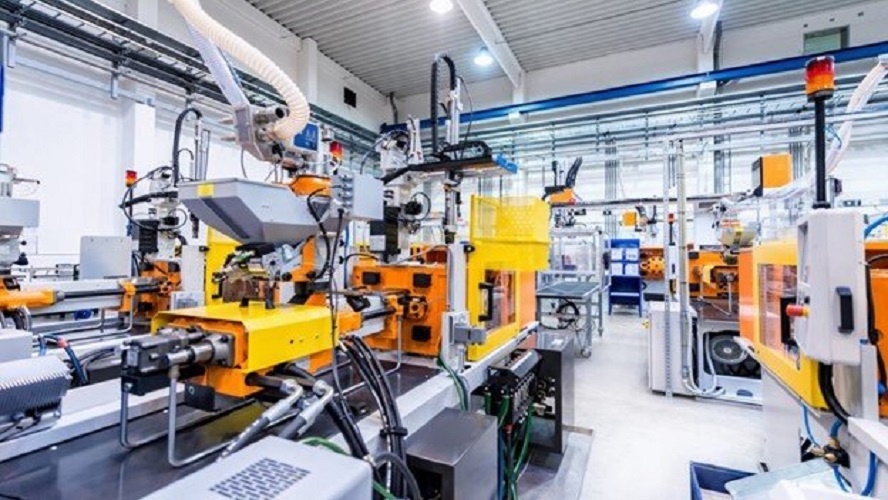
Future of Industrial Automation: Technologies Shaping the Next Generation of Smart Factories
Industrial automation has already transformed modern manufacturing, but the coming decade will likely bring even more dramatic changes. Advances in artificial intelligence, robotics, connectivity, and data analytics are pushing factories toward a new level of intelligence and autonomy. What once required constant human supervision can now be monitored, optimized, and sometimes even repaired by machines themselves.
The future of industrial automation is closely tied to the broader transformation known as Industry 4.0—and increasingly Industry 5.0—where physical machines, digital systems, and human expertise work together to create highly efficient and adaptive production environments.
Factories are becoming connected ecosystems in which sensors, robots, and software communicate continuously to improve productivity and reduce waste. Emerging technologies such as AI-driven analytics, digital twins, and collaborative robots are accelerating this shift toward smarter, more flexible manufacturing.
The Evolution of Industrial Automation
Industrial automation has evolved through several technological revolutions, each introducing new capabilities and efficiencies.
From Mechanization to Industry 4.0
The earliest factories relied on mechanization, where machines assisted workers but still required manual control. Later, programmable logic controllers (PLCs) and computer control systems introduced automation into industrial environments. Over time, these systems became more sophisticated, enabling machines to monitor and regulate production processes automatically.
Today, automation is entering a new phase driven by digital transformation and intelligent manufacturing systems.
Key developments that have shaped modern automation include:
-
Industrial control systems such as PLC and SCADA
-
Robotics and automated assembly lines
-
Advanced sensors and machine vision
-
Industrial networking technologies
These innovations laid the foundation for the connected factories emerging today.
The Rise of Industry 4.0
Industry 4.0 represents the integration of digital technologies with traditional industrial systems. It combines automation with data analytics, cloud computing, and machine learning to create highly intelligent manufacturing environments.
In Industry 4.0 systems, machines are connected through networks of sensors and software platforms that allow real-time monitoring and analysis. This connectivity enables factories to detect problems early, optimize production schedules, and reduce downtime.
The result is a new generation of smart factories where machines, software, and people collaborate more efficiently.
Artificial Intelligence and Machine Learning in Automation
Artificial intelligence is becoming one of the most influential technologies in the future of industrial automation.
Smarter Decision-Making in Manufacturing
Traditional automation systems follow pre-programmed rules. AI-driven systems, on the other hand, can learn from data and improve their performance over time.
Manufacturers are already using AI to analyze large volumes of operational data generated by machines and sensors. These systems can identify patterns, detect anomalies, and recommend process improvements.
AI applications in industrial automation include:
-
Predictive maintenance
-
Quality inspection using computer vision
-
Demand forecasting
-
Production scheduling optimization
Predictive maintenance alone can dramatically reduce equipment downtime by detecting potential failures before they occur.
Autonomous and Self-Optimizing Systems
One of the most exciting developments in industrial automation is the emergence of self-optimizing production systems.
In these environments, machines continuously analyze operational data and automatically adjust production parameters to improve efficiency. For example, an automated manufacturing line could adjust machine speed, temperature, or pressure settings in real time to maintain optimal performance.
As AI models become more advanced, factories may eventually operate with minimal human supervision while still maintaining high levels of precision and reliability.
The Industrial Internet of Things (IIoT)
The Industrial Internet of Things is often described as the digital nervous system of modern factories.
Connected Machines and Sensors
IIoT connects industrial machines, sensors, and control systems through communication networks. These connected devices continuously collect and share data about production processes.
This real-time data allows engineers and managers to monitor equipment performance, detect inefficiencies, and optimize operations.
Examples of IIoT applications include:
-
Monitoring machine vibration and temperature
-
Tracking energy consumption
-
Real-time production monitoring
-
Remote equipment diagnostics
As sensor technology becomes more affordable and powerful, the number of connected industrial devices is expected to grow rapidly.
Data-Driven Manufacturing
One of the greatest advantages of IIoT is the ability to generate and analyze large amounts of operational data.
Manufacturers can use this data to improve production efficiency, reduce waste, and optimize supply chains. Machine learning algorithms analyze sensor data to identify trends and predict future performance.
This approach allows factories to move from reactive maintenance to predictive and proactive operations.
Next-Generation Robotics and Collaborative Automation
Robots have been used in manufacturing for decades, but the next generation of industrial robots is becoming far more intelligent and adaptable.
Collaborative Robots (Cobots)
Collaborative robots—commonly called cobots—are designed to work safely alongside human workers.
Unlike traditional industrial robots that operate in isolated cages, cobots use advanced sensors and safety systems to interact directly with people.
Modern cobots can assist workers with tasks such as:
-
assembly
-
material handling
-
inspection
-
packaging
These robots are particularly valuable for small and medium-sized manufacturers because they can be easily reprogrammed for different tasks.
Autonomous Mobile Robots and Logistics Automation
Factories are also adopting autonomous mobile robots (AMRs) and automated guided vehicles (AGVs) to move materials across production facilities.
These systems use AI and machine vision to navigate factory floors and deliver components where they are needed.
Autonomous logistics systems can dynamically adjust routes and schedules based on production demands, improving efficiency across the entire manufacturing operation.
Digital Twins and Virtual Manufacturing
Another powerful technology shaping the future of automation is the digital twin.
What Is a Digital Twin?
A digital twin is a virtual replica of a physical machine, production line, or even an entire factory.
Engineers can use these virtual models to simulate different operating conditions, test design changes, and predict equipment behavior before making physical adjustments.
This technology enables manufacturers to experiment with production strategies in a virtual environment without disrupting real operations.
Benefits of Digital Twin Technology
Digital twins offer several advantages:
-
Improved equipment design
-
Faster troubleshooting
-
Better predictive maintenance
-
Reduced production downtime
As computing power and simulation tools continue to improve, digital twins are expected to become standard tools in industrial engineering.
Edge Computing and Real-Time Industrial Intelligence
Modern factories generate enormous amounts of data. Processing this data quickly is essential for real-time decision-making.
What Is Edge Computing?
Edge computing involves processing data close to where it is generated—often directly on machines or local industrial devices—rather than sending it to distant cloud servers.
This approach reduces latency and allows automation systems to respond to events almost instantly.
For example, a machine vision system performing quality inspection may need to analyze images in milliseconds to detect defects on a production line.
Edge-Cloud Hybrid Systems
Many modern automation systems combine edge computing with cloud platforms.
-
Edge systems handle real-time control tasks
-
Cloud platforms perform large-scale analytics and data storage
This hybrid architecture provides both speed and scalability.
The Role of 5G and Advanced Connectivity
Future factories will depend on high-speed communication networks.
Technologies such as 5G industrial networks enable ultra-low latency communication between machines, sensors, and control systems.
With faster connectivity, factories can coordinate robots, sensors, and production systems in real time across large facilities.
This connectivity will also support remote monitoring, digital twins, and cloud-based analytics.
Toward Fully Autonomous Smart Factories
Perhaps the most ambitious vision for industrial automation is the fully autonomous factory.
Lights-Out Manufacturing
Some advanced facilities are already experimenting with so-called “lights-out” factories, where machines operate continuously with minimal human presence.
Robots handle manufacturing tasks, AI systems manage production schedules, and automated inspection systems monitor product quality.
These facilities can operate around the clock without breaks, dramatically increasing production capacity.
Human-Machine Collaboration
Despite rapid technological progress, the future of automation is not about replacing humans entirely.
Instead, many experts envision a collaborative model where humans focus on high-level decision-making while machines handle repetitive or hazardous tasks.
Engineers, data analysts, and automation specialists will play an increasingly important role in designing and managing these advanced systems.
Challenges Facing the Future of Industrial Automation
While the potential benefits of automation are enormous, several challenges remain.
Cybersecurity Risks
As factories become more connected, they also become more vulnerable to cyberattacks. Protecting industrial networks and control systems will be a critical priority.
Integration with Legacy Equipment
Many factories still operate machines that were installed decades ago. Integrating these systems into modern digital networks can be difficult and expensive.
Workforce Skills
Automation requires new skills in areas such as robotics, data analytics, and industrial software engineering. Companies must invest in training programs to prepare workers for these roles.
Recommended Related Articles:
https://www.automationpioneer.com/news/what-is-industrial-automation
What Is Industrial Automation
https://www.automationpioneer.com/news/types-of-industrial-automation-systems
Types of Industrial Automation Systems
https://www.automationpioneer.com/news/plc-programming-basics
PLC Programming Basics
https://www.automationpioneer.com/news/what-is-scada-system
What Is SCADA System
https://www.automationpioneer.com/news/types-of-industrial-sensors
Types of Industrial Sensors
https://www.automationpioneer.com/news/industrial-communication-protocols
Industrial Communication Protocols
https://www.automationpioneer.com/news/industrial-iot-guide
Industrial IoT Guide
https://www.automationpioneer.com/news/flow-measurement-technologies
Flow Measurement Technologies
Frequently Asked Questions (FAQ)
What is the future of industrial automation?
The future of industrial automation involves smarter, more connected manufacturing systems powered by technologies such as artificial intelligence, robotics, Industrial IoT, and advanced data analytics.
How will AI impact industrial automation?
Artificial intelligence will enable machines to analyze production data, detect equipment failures, optimize processes, and improve product quality through automated decision-making.
What role does IIoT play in future automation?
The Industrial Internet of Things connects machines, sensors, and software platforms, allowing factories to collect real-time operational data and optimize production processes.
Will robots replace human workers in factories?
Robots will automate many repetitive and hazardous tasks, but human workers will still play critical roles in system design, maintenance, and decision-making.
What technologies will shape Industry 5.0?
Industry 5.0 is expected to integrate AI, robotics, digital twins, and human-centric design principles to create more sustainable and collaborative manufacturing system
-
AC Drives 18,160 Products
-
Butterfly Valve236 Products
-
Circuit Breakers2,226 Products
-
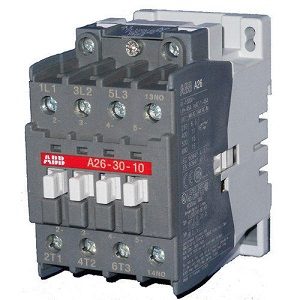
Contactors567 Products
-
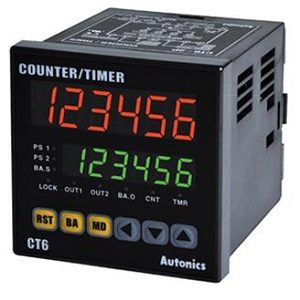
Counters78 Products
-
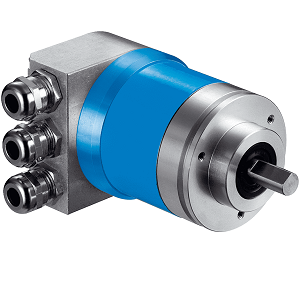
Encoder117 Products
-
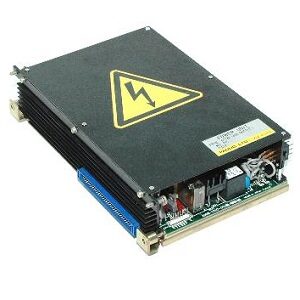
Fanuc Main Board1,376 Products
-
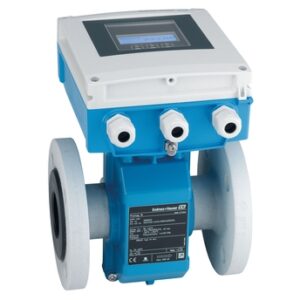
Flow Transmitter (Flow meter)286 Products
-
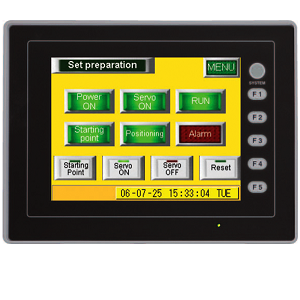
HMI/Touch Screen592 Products
-
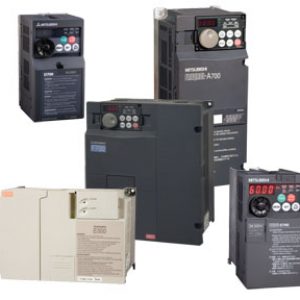
Inverter911 Products
-
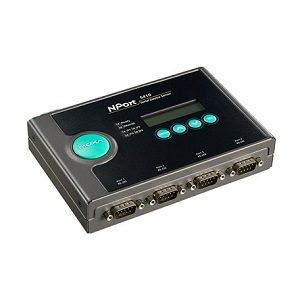
Network/Signal4 Products
-
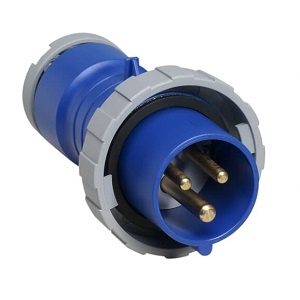
Others4,668 Products
-
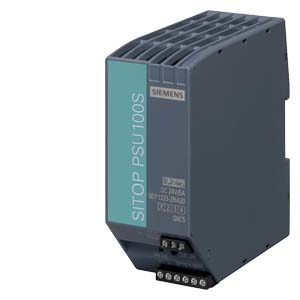
Power Supply218 Products
-
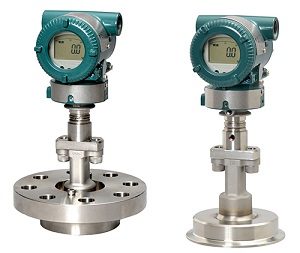
Pressure Transmitter143 Products
-
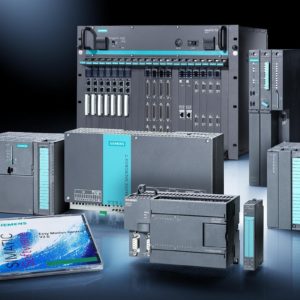
Programmable Logic Controller (PLC)6,288 Products
-
Relay927 Products
-
Sensor2,221 Products
-
Servo Motors & Motor Drives4,363 Products
-
Switch897 Products
-
Timer93 Products
-
Uncategorized1,148 Products
-
Valve Controller & Manifolds15 Products
-
Variable Frequency Drives (VFD)258 Products
-
Yokogawa Remote Indicators16 Products