
Industrial Automation Examples
Industrial Automation Examples: Real-World Applications Transforming Modern Industry
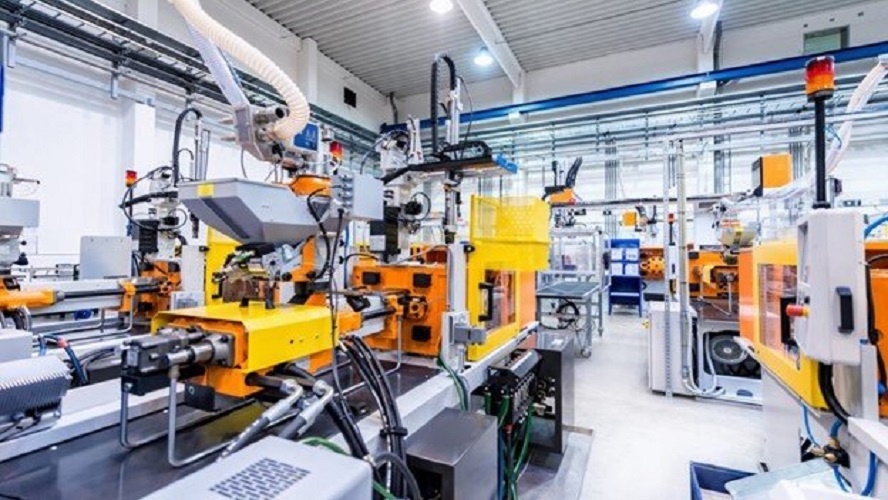
Industrial automation is no longer a futuristic concept—it is already deeply embedded in modern manufacturing and industrial operations. From robotic assembly lines in automotive plants to intelligent process control in chemical refineries, automation technologies are shaping how industries operate.
At its core, industrial automation involves the use of control systems, computers, robotics, sensors, and industrial software to manage production processes with minimal human intervention. These systems monitor machines, analyze operational data, and automatically adjust production parameters to maintain efficiency and quality.
To better understand how automation works in practice, it helps to look at real industrial automation examples across different industries. These examples demonstrate how automation improves productivity, safety, and operational efficiency.
This guide explores some of the most common examples of industrial automation systems used in manufacturing, logistics, energy production, and other industries.
Robotic Assembly Lines in Manufacturing
One of the most recognizable examples of industrial automation is the robotic assembly line. These automated production systems are widely used in industries such as automotive manufacturing, electronics production, and consumer goods manufacturing.
Industrial robots perform repetitive tasks with high speed and precision. Robots can assemble components, weld metal parts, apply coatings, or handle materials without fatigue.
Industrial robots are programmable machines designed to perform tasks such as welding, assembly, painting, and material handling in manufacturing environments.
Automotive Manufacturing Automation
Automotive factories are among the most automated production environments in the world. Modern car manufacturing plants rely heavily on robotic systems to assemble vehicle components.
Typical automated processes in automotive factories include:
-
robotic welding of vehicle frames
-
automated installation of doors and panels
-
robotic painting systems
-
automated inspection systems
Large robot manufacturers such as KUKA develop industrial robots and automated production systems used extensively in automotive manufacturing plants worldwide.
These robotic systems can perform thousands of identical tasks every day while maintaining extremely high precision.
Electronics Assembly Automation
The electronics industry also depends heavily on automation due to the small size and complexity of electronic components.
Automated systems assemble products such as:
-
smartphones
-
circuit boards
-
semiconductor devices
-
computer hardware
Robots place microcomponents onto printed circuit boards with extreme precision. Automated optical inspection systems then verify product quality.
Companies such as Epson Robots manufacture SCARA and six-axis robots used widely in electronics assembly and factory automation.
PLC-Controlled Production Systems
Another common example of industrial automation involves machines controlled by programmable logic controllers (PLCs).
PLCs act as the central control units of many automated industrial systems. They monitor sensor inputs and execute programmed logic to control motors, valves, and production equipment.
A programmable logic controller is a rugged industrial computer designed to control machinery and manufacturing processes with high reliability.
Automated Packaging Lines
Packaging systems are a classic example of PLC-controlled automation.
In a typical automated packaging line:
-
Products move along conveyor belts
-
Sensors detect product position
-
PLCs trigger packaging machines
-
Robotic arms place products into boxes
-
Automated labeling systems apply labels
These systems allow factories to package thousands of products per hour with minimal human involvement.
Food Processing Automation
Food processing plants also rely heavily on PLC-controlled systems.
Automation examples in food production include:
-
automated bottling systems
-
conveyor-based food sorting systems
-
automated filling and sealing machines
-
robotic palletizing systems
These automated processes improve hygiene standards and increase production efficiency.
Warehouse and Logistics Automation
Industrial automation is not limited to manufacturing plants. Warehouses and distribution centers also use automation technologies to streamline logistics operations.
Modern warehouses often rely on automated systems to handle inventory storage, order picking, and shipping.
Automated Storage and Retrieval Systems
Automated Storage and Retrieval Systems (AS/RS) are commonly used in large warehouses.
These systems use robotic cranes and conveyors to automatically store and retrieve products from high-density storage racks.
Benefits of AS/RS systems include:
-
improved inventory accuracy
-
faster order fulfillment
-
optimized warehouse space utilization
Autonomous Mobile Robots
Autonomous Mobile Robots (AMRs) are increasingly used in warehouses and distribution centers.
These robots navigate warehouse floors using sensors and mapping software to transport goods between locations.
Large e-commerce companies often deploy hundreds of mobile robots to move products from storage shelves to packing stations.
Process Automation in Chemical and Energy Industries
Many industries involve complex processes that require precise control of variables such as temperature, pressure, and flow. In these environments, automation systems ensure safe and stable operations.
Process automation is widely used in industries such as:
-
oil and gas
-
chemical manufacturing
-
power generation
-
water treatment
Oil and Gas Refinery Automation
Oil refineries rely on highly advanced automation systems to manage chemical processing operations.
Automated control systems regulate key process variables such as:
-
temperature inside reactors
-
pressure in pipelines
-
flow rates of liquids and gases
Sensors continuously measure these variables, and control systems automatically adjust valves or pumps to maintain optimal operating conditions.
Without automation, managing such complex processes would be extremely difficult and dangerous.
Power Plant Automation
Power plants also rely on automation technologies to control energy production.
Automated control systems regulate:
-
turbine operation
-
fuel supply
-
boiler temperature
-
generator performance
These systems ensure stable electricity generation while maximizing energy efficiency.
Automation also allows power plants to monitor equipment health and detect potential failures before they occur.
Robotics in Industrial Welding and Fabrication
Robotic welding is another common example of industrial automation.
Welding robots are widely used in manufacturing environments where precision and repeatability are essential.
Robotic welding systems perform tasks such as:
-
arc welding
-
spot welding
-
laser welding
Automation companies like Wolf Robotics specialize in robotic welding systems used in industries such as construction equipment manufacturing and heavy machinery fabrication.
Robotic welding improves production speed and ensures consistent weld quality.
Smart Factories and Industry 4.0 Automation
Modern industrial automation is increasingly connected to digital technologies that enable smart manufacturing.
Smart factories integrate multiple automation technologies, including:
-
industrial robots
-
sensors and IoT devices
-
cloud computing platforms
-
artificial intelligence systems
These technologies enable factories to collect large amounts of production data and use it to optimize operations.
Industrial IoT Systems
Industrial Internet of Things (IIoT) systems connect machines, sensors, and software platforms across the entire production environment.
These systems allow engineers to monitor factory operations in real time and make data-driven decisions.
Examples of IIoT automation include:
-
predictive maintenance systems
-
remote equipment monitoring
-
automated quality control systems
IIoT technologies are playing a major role in the development of fully connected smart factories.
Digital Twin Manufacturing
Digital twin technology creates virtual models of physical machines or production systems.
Engineers use these digital models to simulate production processes and identify opportunities for improvement.
Digital twins allow manufacturers to test process changes in a virtual environment before implementing them in real factories.
Industrial Automation in Material Handling
Material handling automation focuses on moving raw materials and finished products through production facilities efficiently.
Examples of material handling automation include:
-
conveyor belt systems
-
robotic palletizers
-
automated guided vehicles (AGVs)
-
automated loading and unloading systems
These systems help manufacturers reduce manual labor while increasing production efficiency.
Recommended internal links include:
https://www.automationpioneer.com/news/what-is-industrial-automation
What Is Industrial Automation
https://www.automationpioneer.com/news/types-of-industrial-automation-systems
Types of Industrial Automation System
https://www.automationpioneer.com/news/plc-programming-basics
PLC Programming Basics
https://www.automationpioneer.com/news/what-is-scada-system
What Is SCADA System
https://www.automationpioneer.com/news/types-of-industrial-sensors
Types of Industrial Sensors
https://www.automationpioneer.com/news/industrial-communication-protocols
Industrial Communication Protocols
https://www.automationpioneer.com/news/industrial-iot-guide
Industrial IoT Guide
https://www.automationpioneer.com/news/flow-measurement-technologies
Flow Measurement Technologies
Frequently Asked Questions (FAQ)
What are some examples of industrial automation?
Common examples include robotic assembly lines, automated packaging systems, PLC-controlled production equipment, robotic welding systems, and automated warehouse robots.
Which industries use industrial automation?
Industrial automation is widely used in automotive manufacturing, electronics production, oil and gas processing, food manufacturing, logistics, and energy production.
What is the most common automation technology used in factories?
Programmable Logic Controllers (PLCs) are among the most widely used automation technologies because they control machinery and production systems in many industrial environments.
Why do companies invest in industrial automation?
Companies adopt automation to increase productivity, improve product quality, reduce operational costs, and enhance workplace safety.
Is industrial automation part of Industry 4.0?
Yes. Industrial automation is a core technology of Industry 4.0, which integrates robotics, data analytics, artificial intelligence, and digital connectivity into manufacturing systems.
-
AC Drives 18,160 Products
-
Butterfly Valve236 Products
-
Circuit Breakers2,226 Products
-
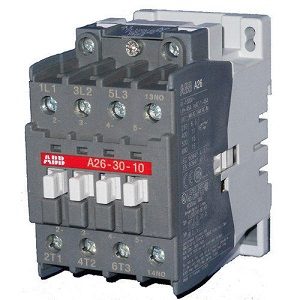
Contactors567 Products
-
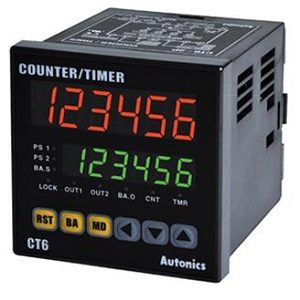
Counters78 Products
-
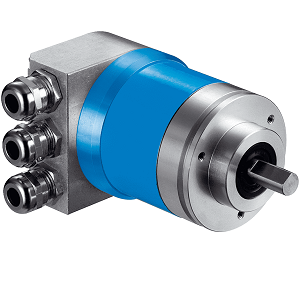
Encoder117 Products
-
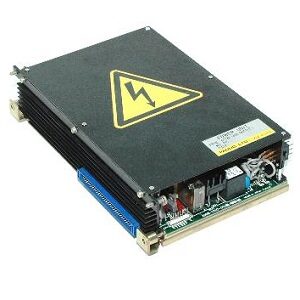
Fanuc Main Board1,376 Products
-
Flow Transmitter (Flow meter)286 Products
-
HMI/Touch Screen592 Products
-
Inverter911 Products
-
Network/Signal4 Products
-
Others4,668 Products
-
Power Supply218 Products
-
Pressure Transmitter143 Products
-
Programmable Logic Controller (PLC)6,288 Products
-
Relay927 Products
-
Sensor2,221 Products
-
Servo Motors & Motor Drives4,363 Products
-
Switch897 Products
-
Timer93 Products
-
Uncategorized1,148 Products
-
Valve Controller & Manifolds15 Products
-
Variable Frequency Drives (VFD)258 Products
-
Yokogawa Remote Indicators16 Products