Industrial Internet of Things (IIoT) Guide
Understanding Industrial Internet of Things (IIoT) Guide: Complete 2026 Handbook in Industrial Automation & Process Control
How is IIoT different from regular IoT?, What communication protocols are commonly used in IIoT?, and Is IIoT part of Industry 4.0?
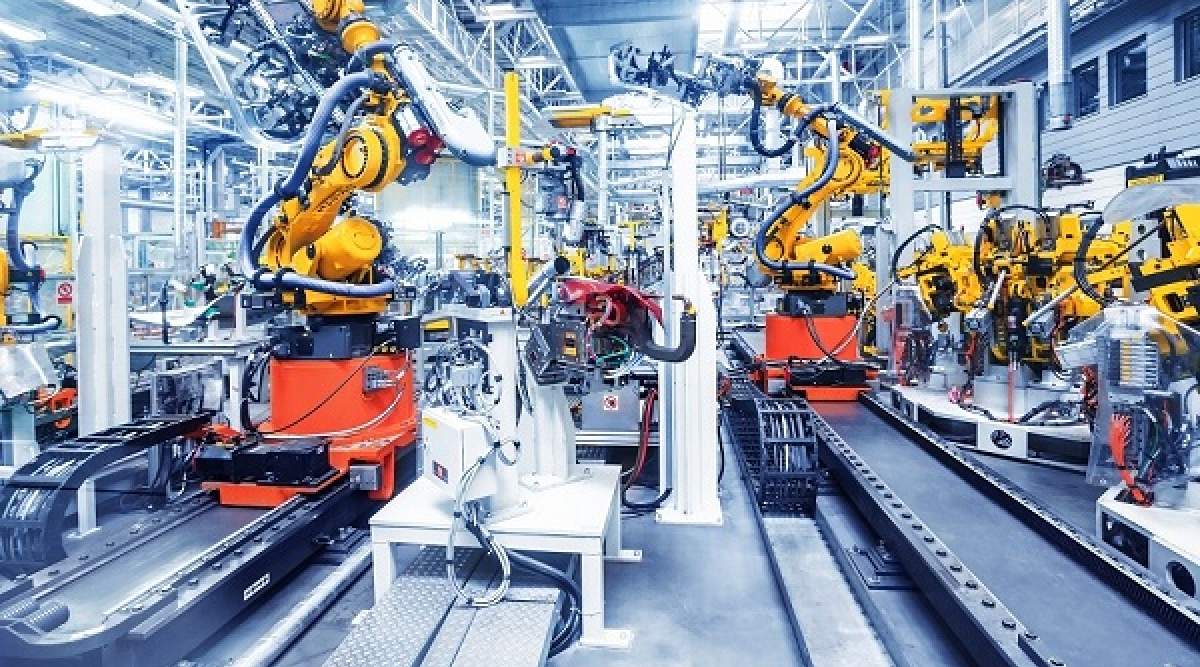
Industrial Internet of Things (IIoT) Guide: Complete 2026 Handbook
The Industrial Internet of Things (IIoT) is no longer a future concept reserved for advanced manufacturers or large technology firms. Across manufacturing plants, power stations, oil refineries, pharmaceutical facilities, and logistics operations, IIoT technologies are actively transforming how industries monitor equipment, manage production, reduce downtime, and improve operational efficiency. In 2026, industrial organizations face increasing pressure to improve productivity, reduce energy consumption, strengthen cybersecurity, and remain globally competitive. At the same time, advances in cloud computing, artificial intelligence, edge computing, industrial networking, and smart sensors have made connected industrial systems more practical and affordable than ever before. As a result, IIoT has become one of the core foundations of modern Industry 4.0 initiatives.
This handbook explains the fundamentals of the Industrial Internet of Things, including architecture, communication protocols, cybersecurity, edge computing, predictive maintenance, artificial intelligence, and real-world industrial applications. Whether you are an automation engineer, plant manager, systems integrator, or business owner, understanding IIoT is becoming essential for navigating modern industrial operations.
What Is the Industrial Internet of Things (IIoT)?
The Industrial Internet of Things (IIoT) refers to the use of connected sensors, industrial devices, machines, software platforms, and analytics systems that collect and exchange data within industrial environments. Unlike consumer IoT applications such as smart home devices or wearable technology, IIoT focuses specifically on industrial operations and mission-critical systems. These technologies enable factories and industrial facilities to monitor equipment performance, automate decision-making, and optimize production processes in real time. IIoT systems combine several technologies, including:
Industrial sensors
PLCs and industrial controllers
Cloud computing platforms
Edge computing systems
Industrial communication networks
Artificial intelligence and machine learning
Advanced data analytics
Together, these technologies create intelligent industrial ecosystems capable of improving operational visibility and production efficiency.
Modern IIoT deployments support:
Predictive maintenance
Energy optimization
Asset tracking
Remote monitoring
Production analytics
Real-time quality control
Smart manufacturing operations
For companies implementing digital transformation strategies, IIoT serves as the bridge between traditional automation systems and data-driven industrial operations.
The Evolution of IIoT and Industry 4.0
Industrial automation has evolved significantly over the last century. Early factories relied heavily on mechanical systems and manual labor. Later, industries introduced electrical control systems, PLCs, robotics, and computerized automation. However, these systems often operated independently with limited connectivity between machines and business systems. IIoT changed this model entirely by enabling machines, sensors, and software systems to communicate continuously across industrial networks. This evolution accelerated with the rise of Industry 4.0, often referred to as the Fourth Industrial Revolution.
Industry 4.0 combines:
Automation systems
Smart sensors
Cloud computing
Artificial intelligence
Big data analytics
Digital twins
Advanced robotics
Together, these technologies create connected, intelligent manufacturing environments capable of self-monitoring and adaptive decision-making.
Modern smart factories now rely heavily on IIoT infrastructure to enable:
Autonomous production systems
Predictive maintenance strategies
Real-time operational visibility
Data-driven manufacturing decisions
For foundational concepts, see:
https://www.automationpioneer.com/news/what-is-industrial-automation
https://www.automationpioneer.com/news/types-of-industrial-automation-systems
Core Components of an IIoT System
An Industrial Internet of Things system relies on several interconnected layers working together to collect, transmit, analyze, and act on industrial data.
Industrial Sensors and Field Devices
Industrial sensors are the foundation of IIoT systems because they collect operational data directly from industrial equipment and processes. These devices measure variables such as:
Temperature
Pressure
Flow rate
Vibration
Motor speed
Liquid level
Energy consumption
Humidity
Without accurate sensor data, IIoT systems cannot function effectively. Modern smart sensors often include embedded communication capabilities, allowing them to transmit data directly across industrial networks.
Common IIoT field devices include:
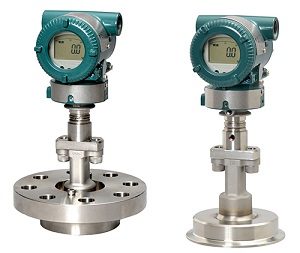
Pressure transmitters
Flow meters
Smart actuators
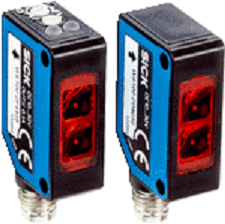
Proximity sensors
Vibration monitoring systems
Industrial cameras
Related resources:
https://www.automationpioneer.com/news/types-of-industrial-sensors
https://www.automationpioneer.com/news/pressure-transmitters-guide
https://www.automationpioneer.com/news/flow-measurement-technologies
PLCs, RTUs, and Industrial Controllers
Industrial controllers process sensor inputs and manage machine operations. The most common IIoT control devices include:
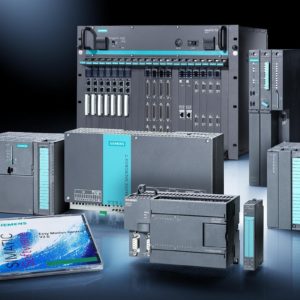
Programmable Logic Controllers (PLCs)
PLCs control industrial machines and production processes in real time. They remain one of the most important components of modern industrial automation systems. PLCs receive data from sensors and execute control logic that determines machine behavior.
Remote Terminal Units (RTUs)
RTUs are commonly used in geographically distributed systems such as pipelines, substations, and water treatment facilities. Unlike PLCs, RTUs are optimized for remote monitoring and communication over long distances.
Distributed Control Systems (DCS)
DCS platforms manage complex industrial processes across entire plants or production facilities. Industries such as power generation, chemical processing, and oil refining rely heavily on DCS architectures.
Related content:
IIoT Communication Protocols
Reliable communication is essential for IIoT infrastructure. Industrial communication protocols allow sensors, controllers, and software systems to exchange data across industrial networks. Several protocols dominate modern IIoT environments.
Modbus
Modbus remains one of the most widely used industrial communication protocols because of its simplicity and reliability. It supports communication between PLCs, sensors, HMIs, and SCADA systems.
Profinet and Profibus
Profinet and Profibus are commonly used in manufacturing environments requiring high-speed industrial networking. These protocols support deterministic communication and real-time machine control.
OPC UA
OPC UA has become one of the most important protocols for Industry 4.0 and IIoT applications. It enables secure, platform-independent communication between industrial systems and enterprise software.
MQTT
MQTT is lightweight and highly efficient for transmitting IIoT data across cloud environments and remote systems. Many cloud-based IIoT platforms rely on MQTT for data communication.
EtherNet/IP
EtherNet/IP combines standard Ethernet technologies with industrial communication capabilities. It is widely used in North American manufacturing facilities.
Related resources:
https://www.automationpioneer.com/news/industrial-communication-protocols
https://www.automationpioneer.com/news/modbus-vs-profibus-vs-profinet
IIoT Architecture Explained
A typical IIoT architecture consists of several interconnected layers. Each layer performs a specific role within the industrial data ecosystem.
Device Layer
The device layer includes sensors, actuators, controllers, and industrial machines. These devices collect operational data and execute control functions.
Connectivity Layer
The connectivity layer handles communication between field devices, controllers, gateways, and software platforms. Industrial Ethernet networks, wireless systems, and industrial protocols operate within this layer.
Edge Computing Layer
Edge computing systems process data close to the source rather than sending all information directly to the cloud. This reduces latency and improves response times for time-sensitive applications.
Edge computing is particularly important for:
Real-time machine control
Predictive maintenance
Autonomous robotics
Vision inspection systems
Cloud Layer
Cloud platforms store and analyze large volumes of industrial data. Cloud-based IIoT systems support:
Remote monitoring
Advanced analytics
AI-driven insights
Enterprise reporting
Multi-site operations management
Application Layer
The application layer includes dashboards, analytics tools, mobile applications, and enterprise software systems. This layer provides actionable insights that help operators and engineers optimize industrial performance.
Edge Computing in Industrial IoT
Edge computing has become one of the most important technologies in modern IIoT deployments. Traditionally, industrial systems transmitted data directly to centralized servers or cloud platforms. However, this approach creates challenges related to latency, bandwidth usage, and reliability. Edge computing solves these problems by processing data locally near industrial equipment. As a result, factories can make decisions faster and reduce dependence on cloud connectivity.
Benefits of Edge Computing
Reduced Latency
Real-time industrial systems cannot afford delays caused by cloud communication. Edge computing allows machines to respond immediately to changing conditions.
Lower Bandwidth Requirements
Instead of transmitting massive amounts of raw sensor data, edge systems process and filter information locally. This significantly reduces network traffic.
Improved Reliability
Industrial facilities can continue operating even if cloud connectivity becomes unavailable.
Enhanced Cybersecurity
Keeping sensitive operational data within local networks can reduce cybersecurity risks.
Artificial Intelligence and Machine Learning in IIoT
Artificial intelligence is transforming industrial operations by enabling machines to analyze data, identify patterns, and make intelligent decisions.
AI-driven IIoT systems improve:
Production efficiency
Equipment reliability
Energy optimization
Quality control
Supply chain visibility
Machine learning algorithms continuously improve performance by learning from operational data over time.
Predictive Maintenance
Predictive maintenance is one of the most valuable IIoT applications. Instead of relying on fixed maintenance schedules, predictive systems monitor equipment conditions in real time.
Sensors track variables such as:
Vibration
Temperature
Oil quality
Electrical current
Acoustic signals
AI algorithms then analyze this data to identify early signs of equipment failure. As a result, companies can:
Prevent unplanned downtime
Reduce maintenance costs
Extend equipment life
Improve operational reliability
Computer Vision and Quality Inspection
AI-powered vision systems now perform automated quality inspections with remarkable accuracy. Industrial cameras combined with machine learning algorithms can identify:
Product defects
Assembly errors
Surface imperfections
Dimensional variations
These systems improve quality consistency while reducing manual inspection requirements.
Cybersecurity in IIoT Systems
As industrial systems become increasingly connected, cybersecurity has become one of the biggest challenges facing IIoT deployments. Industrial cyberattacks can disrupt production, damage equipment, and compromise critical infrastructure. Therefore, industrial cybersecurity strategies must address both operational technology (OT) and information technology (IT) environments.
Common IIoT Cybersecurity Threats
Ransomware Attacks
Attackers encrypt industrial systems and demand payment for restoration.
Unauthorized Network Access
Weak authentication systems can allow attackers to gain access to industrial networks.
Legacy System Vulnerabilities
Many industrial facilities still operate outdated equipment with limited cybersecurity protections.
Insider Threats
Unauthorized actions by employees or contractors can also compromise industrial systems.
Best Practices for IIoT Cybersecurity
Industrial organizations should implement multiple layers of security protection.
Recommended strategies include:
Network segmentation
Multi-factor authentication
Industrial firewalls
Continuous monitoring
Secure remote access
Regular firmware updates
Employee cybersecurity training
Cybersecurity must become part of the overall IIoT design strategy rather than an afterthought.
Digital Twins and Smart Manufacturing
Digital twin technology creates virtual representations of physical industrial systems. These digital models simulate machine behavior using real-time operational data.
Digital twins help engineers:
Predict equipment failures
Optimize production processes
Improve maintenance planning
Test process changes virtually
Combined with IIoT data, digital twins provide powerful tools for industrial optimization.
Benefits of IIoT for Industrial Operations
IIoT provides measurable operational and financial advantages across industrial sectors.
Improved Operational Visibility
IIoT platforms provide real-time insights into equipment performance, production metrics, and process conditions. Operators can identify issues faster and respond proactively.
Reduced Downtime
Predictive maintenance systems help prevent unexpected equipment failures. This significantly improves production uptime.
Increased Energy Efficiency
IIoT analytics identify inefficient equipment and energy waste. As energy costs continue rising, this capability becomes increasingly valuable.
Better Product Quality
Continuous monitoring and automated quality control systems reduce defects and improve consistency.
Enhanced Safety
IIoT systems can monitor hazardous environments and detect unsafe conditions before accidents occur.
Real-World IIoT Applications
IIoT technologies now support a wide range of industrial applications.
Manufacturing
Smart factories use IIoT systems to optimize production, monitor machinery, and automate quality inspection.
Oil and Gas
Pipeline monitoring systems use IIoT sensors to detect pressure changes, leaks, and equipment failures.
Power Generation
Utilities use IIoT systems to monitor turbines, transformers, and electrical distribution infrastructure.
Water and Wastewater
IIoT systems monitor pumps, reservoirs, chemical dosing systems, and water quality parameters.
Logistics and Warehousing
Connected sensors and robotics improve inventory management and warehouse automation.
Challenges of IIoT Implementation
Although IIoT offers substantial benefits, implementation can be complex.
Common challenges include:
High initial investment costs
Integration with legacy equipment
Cybersecurity concerns
Skills shortages
Data management complexity
Network reliability issues
Successful IIoT deployments require careful planning, strong cybersecurity practices, and scalable infrastructure design.
The Future of IIoT in 2026 and Beyond
IIoT continues evolving rapidly as industries adopt more advanced digital technologies.
Key trends shaping the future include:
AI-driven autonomous manufacturing
5G industrial connectivity
Edge AI systems
Digital twins
Hyperautomation
Sustainable manufacturing technologies
As industrial systems become increasingly intelligent and connected, IIoT will continue driving the next generation of industrial transformation.
Recommended Related Articles
Frequently Asked Questions (FAQ)
What is the Industrial Internet of Things (IIoT)?
IIoT refers to connected industrial devices, sensors, machines, and software systems that collect and exchange data to improve industrial operations and automation.
How is IIoT different from regular IoT?
Consumer IoT focuses on personal devices such as smart home products, while IIoT focuses on industrial systems requiring high reliability, real-time communication, and operational safety.
What industries use IIoT?
IIoT is widely used in manufacturing, oil and gas, power generation, water treatment, logistics, pharmaceuticals, and mining industries.
Why is edge computing important in IIoT?
Edge computing reduces latency, improves reliability, lowers bandwidth usage, and enables faster decision-making near industrial equipment.
How does AI improve IIoT systems?
AI helps industrial systems analyze data, predict failures, optimize production, improve quality control, and automate decision-making processes.
What are the biggest cybersecurity risks in IIoT?
Common IIoT cybersecurity risks include ransomware attacks, unauthorized access, outdated legacy systems, and insecure remote connectivity.
What is predictive maintenance in IIoT?
Predictive maintenance uses sensors and analytics to detect early signs of equipment failure before breakdowns occur.
Is IIoT part of Industry 4.0?
Yes. IIoT is one of the foundational technologies behind Industry 4.0 and smart manufacturing initiatives.
What communication protocols are commonly used in IIoT?
Common IIoT protocols include Modbus, OPC UA, MQTT, EtherNet/IP, Profinet, and Profibus.
What is the future of IIoT?
The future of IIoT includes AI-driven automation, digital twins, autonomous manufacturing, 5G connectivity, and highly connected smart factories.
Your One-Stop Source for Reliable Automation & Process Control Equipment
Access trusted process control equipment, expert support, and fast sourcing—all in one place.
-
AC Drives 18,165 Products
-
Butterfly Valve236 Products
-
Circuit Breakers2,226 Products
-
Contactors567 Products
-
Counters78 Products
-
Encoder117 Products
-
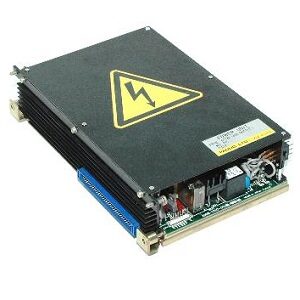
Fanuc Main Board1,376 Products
-
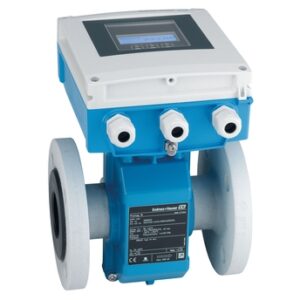
Flow Transmitter (Flow meter)552 Products
-
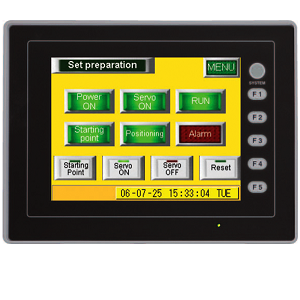
HMI/Touch Screen592 Products
-
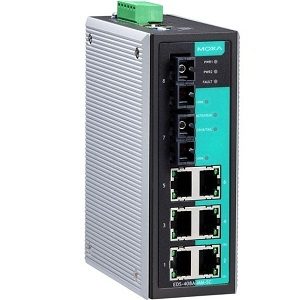
Industrial Device Servers125 Products
-
Inverter911 Products
-
Network/Signal2 Products
-
Others4,504 Products
-
Power Supply218 Products
-
Pressure Transmitter146 Products
-
Programmable Logic Controller (PLC)6,290 Products
-
Relay927 Products
-
Sensor2,221 Products
-
Servo Motors & Motor Drives4,575 Products
-
Switch897 Products
-
Timer93 Products
-
Uncategorized1,141 Products
-
Valve Controller & Manifolds15 Products
-
Variable Frequency Drives (VFD)257 Products
-
Yokogawa Remote Indicators16 Products